



Open prompts
sample 01 AI Image Prompt
sample 01, its complete AI image prompt, and the Travel, Cities & Architecture · Pixel Art · Bright · 070 style are free to view and copy.
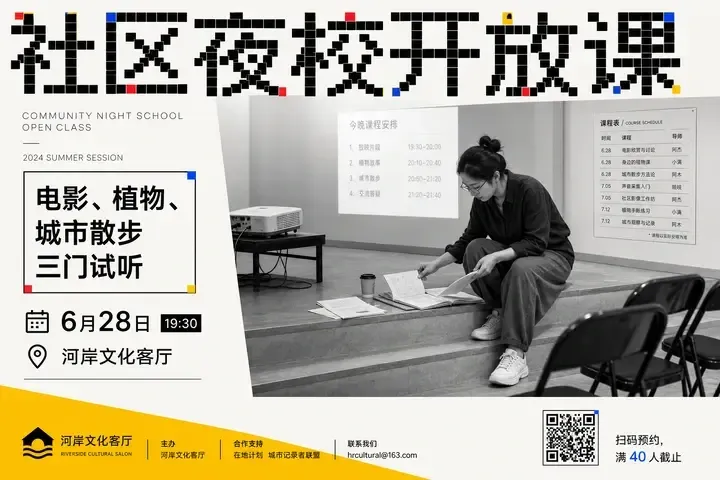
Complete AI image prompt
Build the first read around monumental modular pixel lettering derived from the subject’s key message. Preserve correct recognition in the intended writing system while constructing heavy black strokes from equal square cells, squared joins, compact glyph proportions, and a few deliberately detached cells replaced by tiny high-chroma color squares; the result should combine civic wayfinding clarity with a visibly authored digital cadence. Give this headline overwhelming optical weight, then step down sharply to the documentary image, functional copy, and micro-information. Organize all elements on an asymmetric editorial grid held steady by a broad warm-white field, and let one oblique or trapezoidal image plane break across the grid so the eye moves in a bent sequence from display type to a compact notice module, through the image, and into the footer. Use restrained black-and-white documentary photography with authentic surroundings, unforced action, moderate tonal contrast, and a close crop that keeps the subject relationship legible; let the chosen theme determine the people, objects, setting, and narrative cue, while the photograph serves as real-world evidence beneath the typographic event. Extract one bright dominant hue from the theme’s emotional and symbolic logic, extending it into a large flat wedge or lower band that interlocks precisely with the image diagonal. Draw only a sparse set of tiny red-, yellow-, and blue-family square accents from that hue and its counterpoints, placing them at selected glyph corners, frame corners, and separators. Warm white, charcoal black, and photographic gray must retain nearly all visual area; chromatic elements act only as direction, pause, and identification. Gather secondary content into a few sharply bounded functional islands: thin black rules enclose a short heading or essential notice, bold low-contrast sans text forms compact line stacks, and extremely small bilingual annotations use open tracking. Time, place, numbering, pictograms, identity marks, or an access code may change with the theme, but align them to shared baselines and disciplined column widths. Resolve the lower edge as an institutional information rail made from hairlines, miniature geometric symbols, short vertical dividers, and generous intervals, allowing the dominant color field to pass through part of it and carry the upper diagonal momentum downward. Keep the paper field and opaque color shapes evenly matte, the black cell edges hard and precise, and every photographic-to-geometric boundary cleanly cut. Preserve the extreme density contrast among the giant glyph mass, oblique documentary plane, generous emptiness, and retreating microtype to produce a calm, credible, contemporary language of urban public communication.
More open images in the “Travel, Cities & Architecture · Pixel Art · Bright · 070” style