



Open prompts
sample 01 AI Image Prompt
sample 01, its complete AI image prompt, and the Invitations, Events & Keepsakes · Vector · Bright · 157 style are free to view and copy.
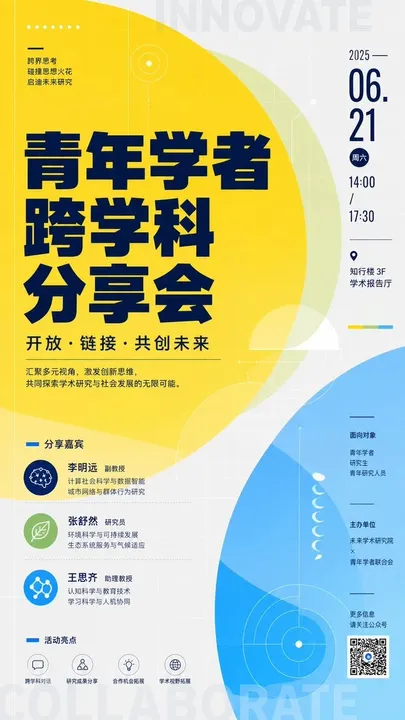
Complete AI image prompt
Build the first read around display lettering enlarged into the dominant visual body. Let the subject determine whether the title uses a heavy, squared, tightly fitted construction or a very tall high-contrast serif structure, while preserving valid, legible glyph anatomy in the intended writing system. Stack the title into two to four dense lines with an architectural silhouette; selected strokes may cross normal line intervals, interlock, or pass behind the subject carrier so image and lettering share the same focal territory. Govern the space with an asymmetric editorial grid: one title-and-subject compound holds most of the optical weight, while lighter date, data, portrait, venue, and action modules retreat to the margins and lower field as distant counterweights. Arrest the eye with the large type, then route it outward through hairline rules, axes, and columns; allow the dominant color field, subject form, or lettering to continue beyond an edge, while preserving calm internal intervals and a decisive hierarchy. Translate the subject into one large supporting field: an expanding arc or organic color mass, a tightly cropped photographic subject, or a directional material surface shaped by folds and broad soft highlights. Whether flat or photographic, this main contour must carry the title, establish scale, and generate movement, with translucent overlaps, contour arcs, or continuous tonal transitions binding depth layers. Derive hue and material from the subject's emotional temperature, but keep the role ratio controlled: one luminous or deep field color occupies most of the image, text and information use a strongly contrasting dark or light value, supporting hues remain limited, and one warm dot, short dash, or handwritten trace supplies the sharp accent. Bright variants stay airy and luminous; dark variants retain expansive shadow and restrained satin-like highlights. Construct the peripheral language from very fine rules, short bars, dots, concentric rings, orbital arcs, reduced icons, numerals, and widely tracked microtype repeated at grid junctions; these precise marks imply a rational system and release pressure from the display block. A barely visible oversized wordform may sit in the deepest layer as a spatial measure. Separate title, tagline, description, schedule, location, and call-to-action through pronounced scale jumps, collecting dense copy into disciplined modules. Keep flat fields evenly matte and edges crisp; confine realistic supple sheen and fine material detail to the thematic photographic or fabric carrier. The result should balance youthful cultural energy with professional editorial control: subject matter, color temperature, and carrier material may change, while type as monument, one large supporting form, marginal micro-information, a restrained accent, and a center-to-periphery reading rhythm remain inseparable.
More open images in the “Invitations, Events & Keepsakes · Vector · Bright · 157” style