


Open prompts
sample 01 AI Image Prompt
sample 01, its complete AI image prompt, and the Invitations, Events & Keepsakes · Bright · 160 style are free to view and copy.
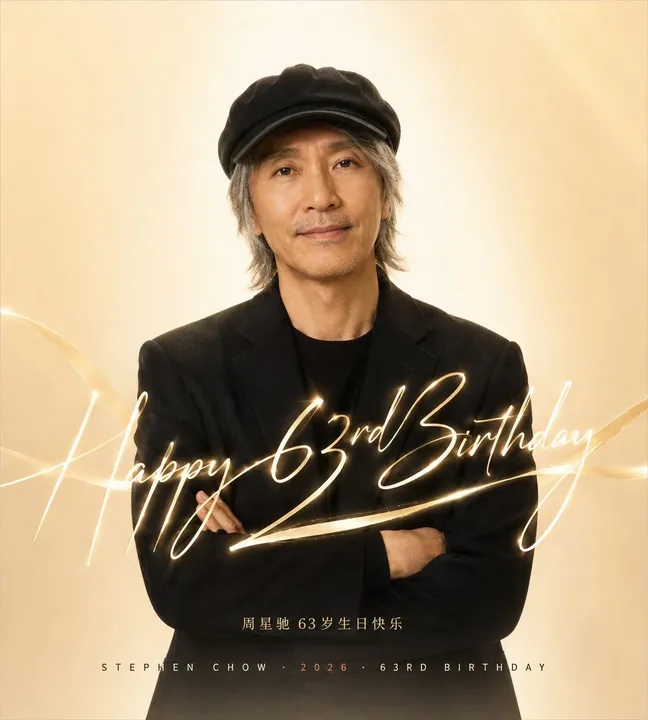
Complete AI image prompt
Build the first read around an enormous freehand message sweeping across the entire image: alternate hairline passages with sudden pressure, extended ascenders, open loops, plunging tails, and off-edge strokes to create one continuous gesture. Let the lettering cross in front of the thematic subject and mask small parts of its contour, functioning simultaneously as the dominant headline and as a luminous ribbon drawn by celebratory energy; preserve valid anatomy, legibility, and recognizable word shapes in the chosen writing system. Give the subject the highest recognition and emotional weight, shown either as a complete form or through an intimate crop, with pose, morphology, clothing or material, symbolic attachments, and narrative action all derived from the theme. Its visual mass should outweigh the remaining information by roughly four to one: begin with a stable, central monument-like balance, then deliberately violate that stability with the traversing script so the eye meets the face or defining core first, rides the written gesture across the field, and resolves on small peripheral information. Derive the environment within two controlled modes. For ceremonial themes, use generous breathing room, a quiet monochromatic tonal field, and a broad elliptical glow diffused behind the subject. For exuberant themes, retain a recognizable yet softened celebration setting, enclosing the subject with theme-born accessories across foreground, middle distance, and background, pinpoint lights, transparent reflective forms, small confetti-like color marks, and localized defocused highlights. In either mode, keep the focal contour crisp and the environmental depth soft; every decorative element serves rhythm and depth rather than competing with the face or defining form. Let thematic emotion and material associations choose the hues: one broad low-contrast dominant field, clear value or temperature separation around the subject, and sparse bright accents echoed through the calligraphic stroke, attachments, and information anchors. Use high-key enveloping illumination with smooth creamy highlight rolloff; energetic scenes may carry restrained warm rim light, transparent reflections, and controlled colored bloom, while restrained scenes resolve into even studio illumination and finely matte surfaces. Establish an editorial three-tier type hierarchy: the oversized handwritten statement overlaps the subject, a medium high-contrast serif numeral or date provides an anchor, and tiny explanatory lines or narrow columns sit near the margins with wide tracking. Coordinate multiple scripts by optical weight, contrasting disciplined serif counting, airy microcopy, and relaxed handwriting to join commemorative elegance with personal warmth. Finish with polished commercial commemorative photography, precise eyes or defining details, continuous tonal fields, and clean lettering edges. When the theme changes, replace subject semantics, symbols, environmental accessories, palette sources, and copy together, while preserving the cross-field script gesture, dominant-to-subordinate mass ratio, central stability disrupted by an off-boundary stroke, soft-light focal hierarchy, and three-step information rhythm.
More open images in the “Invitations, Events & Keepsakes · Bright · 160” style