会员账号

Open prompts

Typography & Posters

9 real examples in the Typography & Posters · Printmaking · Paper Texture · 227 style, with complete prompts available to copy without signing in.

Original style prompt

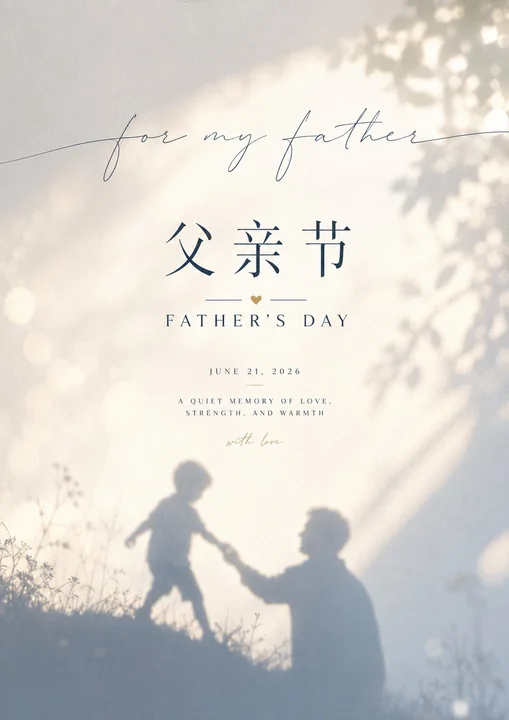
Build the image around a single theme-derived symbolic event isolated by a dominant field of luminous negative space. Convert the theme's most recognizable relationship, gesture, or structure into either an oversized geometric silhouette, a broad soft-edged projection, or a spare linear environment; pair that monumental carrier with one tiny human-scale narrative cue so the first read is quiet and immediate and the emotional meaning arrives a moment later. Use dynamic asymmetrical balance: the main shape greatly outweighs the editorial information, while generous empty intervals keep every layer distinct. Lead the eye from a high-recognition contour or light boundary along a curve, sloped terrain lines, an extended stroke, or a disciplined group of fine rules toward the small story and finally the restrained text. Let the principal form cross the frame edge, open a strategic gap, overlap another layer, or exchange figure and ground so incomplete contours are completed perceptually; keep all supporting marks sparse, widely separated, and clearly subordinate. The subject determines the carrier's silhouette logic, symbolic relation, attached accents, narrative action, material associations, and hue family, but preserve the dialogue between one large abstract vessel and one minute humane clue across every subject change. Set this on an even matte warm-white or soft ivory field. Use deep ink blue to near-black for display lettering, figures, and decisive contours; assign pale cool gray or a subdued theme-derived hue to the broad support mass, with no more than one concentrated high-chroma accent entering from an edge or lower field to create directional tension. For intimate treatments, spread natural diffuse light into a wide luminous zone with soft botanical or human shadows and open, translucent dark values; for more graphic treatments, use flat color planes and crisp hard cuts. Both modes retain high overall luminance, a tightly limited palette, and an optically clean surface. Treat typography as precise editorial architecture: choose orthographically valid display forms in the requested writing system, either structurally refined with clear stroke contrast or monumentally geometric and heavy according to the theme's emotional pressure. Reduce supporting copy sharply in scale, open its tracking, and organize it with short lines, hairline rules, a date-like index, or a tiny symbolic mark; permit one airy handwritten line as an emotional echo, never as the dominant voice. Concentrate detail in only a few narrative nodes. Reduce people, birds, vegetation, or theme-derived markers to lucid silhouettes; model ground and distance with parallel fine lines whose density shifts gradually, or let projected shadows carry the relationship instead of repeating literal bodies. Keep paper whites undimmed, ink coverage flat, contours continuous, and hard and soft edges assigned to distinct functions, unifying abstract graphics, photographic light, and minimalist illustration in a restrained, contemporary, warmly commemorative design language.
正在加载…

找回密码

输入注册邮箱,我们会发送一封重置邮件。

确认删除

删除后将从网站中移除。

API 迁移

导入 API 配置