

Open prompts
sample 01 AI Image Prompt
sample 01, its complete AI image prompt, and the Infographics & Visual Guides · X Archive · 140 style are free to view and copy.
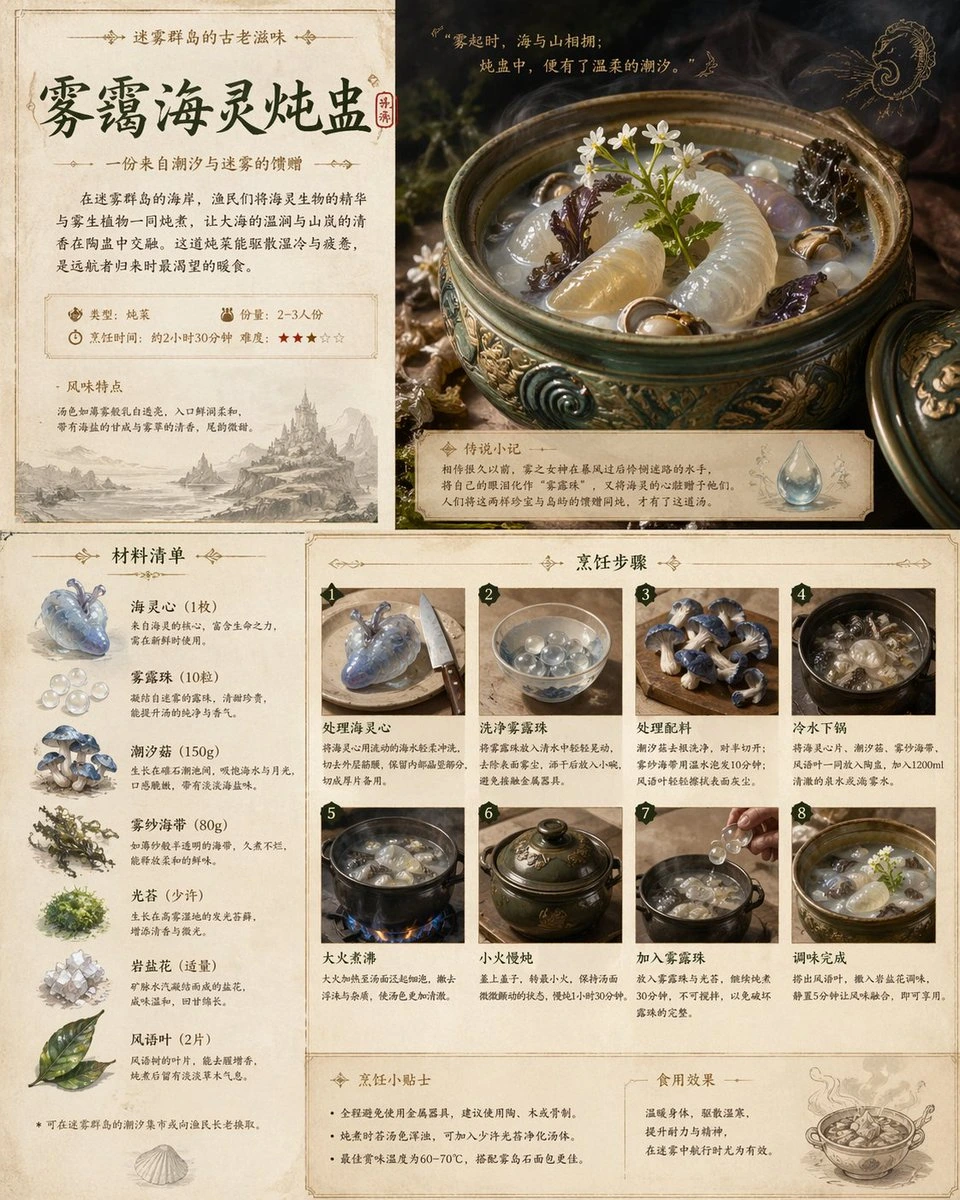
Complete AI image prompt
Build a theme-adaptive archival plate whose first read is the collision of an antique illustrated compendium and a tactile, dramatically lit specimen display. Invent every object, label, narrative detail, and symbol from the new subject. Reserve the upper field for two unequal anchors: a spacious aged-paper editorial panel led by an oversized, heavy calligraphic title with dry-brush gaps and slight handmade wobble, followed by a restrained subtitle, compact body copy, a fine-rule data box, and a faint line-drawn landscape or contextual vignette; beside it, stage the central subject as a close, materially convincing hero specimen inside an ornate period display structure, emerging from a near-black setting under selective warm light, shallow depth of field, subtle grain, and controlled highlights that reveal glaze, moisture, fibers, metal, stone, or whatever surfaces the theme logically supplies. Thread tiny gold annotations and emblematic line drawings through the dark negative space, then overlap the lower edge of the hero scene with a narrow parchment anecdote card so photography and scholarship physically interlock. Organize the lower field as a disciplined reference atlas: a left inventory column of isolated, specimen-like watercolor renderings paired with names, quantities or attributes, and brief notes; a larger right grid of evenly paced square process photographs, each carrying a small numbered corner badge, a concise heading, and explanatory copy below; finish with fine-rule notes, outcome, or conclusion cells. Preserve the causal reading loop—hero subject, constituent inventory, ordered transformation, supplementary lore—while rebuilding its content for each theme. Bind all systems with warm ivory fibrous paper, charcoal and deep green ink, brown-gold rules, muted mineral pigments, sparse dark-red seals, thin double borders, classical divider ornaments, slight edge yellowing, gentle handling wear, imperfect ink registration, and shared abrasion across type and imagery. Keep the photography richly real yet restrained, the illustrations observational, the title expressive, and the small text orderly and legible, so the page feels patiently compiled by one eccentric collector rather than assembled with polished modern templates.
Original style prompt
Build a theme-adaptive archival plate whose first read is the collision of an antique illustrated compendium and a tactile, dramatically lit specimen display. Invent every object, label, narrative detail, and symbol from the new subject. Reserve the upper field for two unequal anchors: a spacious aged-paper editorial panel led by an oversized, heavy calligraphic title with dry-brush gaps and slight handmade wobble, followed by a restrained subtitle, compact body copy, a fine-rule data box, and a faint line-drawn landscape or contextual vignette; beside it, stage the central subject as a close, materially convincing hero specimen inside an ornate period display structure, emerging from a near-black setting under selective warm light, shallow depth of field, subtle grain, and controlled highlights that reveal glaze, moisture, fibers, metal, stone, or whatever surfaces the theme logically supplies. Thread tiny gold annotations and emblematic line drawings through the dark negative space, then overlap the lower edge of the hero scene with a narrow parchment anecdote card so photography and scholarship physically interlock. Organize the lower field as a disciplined reference atlas: a left inventory column of isolated, specimen-like watercolor renderings paired with names, quantities or attributes, and brief notes; a larger right grid of evenly paced square process photographs, each carrying a small numbered corner badge, a concise heading, and explanatory copy below; finish with fine-rule notes, outcome, or conclusion cells. Preserve the causal reading loop—hero subject, constituent inventory, ordered transformation, supplementary lore—while rebuilding its content for each theme. Bind all systems with warm ivory fibrous paper, charcoal and deep green ink, brown-gold rules, muted mineral pigments, sparse dark-red seals, thin double borders, classical divider ornaments, slight edge yellowing, gentle handling wear, imperfect ink registration, and shared abrasion across type and imagery. Keep the photography richly real yet restrained, the illustrations observational, the title expressive, and the small text orderly and legible, so the page feels patiently compiled by one eccentric collector rather than assembled with polished modern templates.
More open images in the “Infographics & Visual Guides · X Archive · 140” style