



Open prompts
sample 01 AI Image Prompt
sample 01, its complete AI image prompt, and the Infographics & Visual Guides · Line Art · Paper Texture · 156 style are free to view and copy.
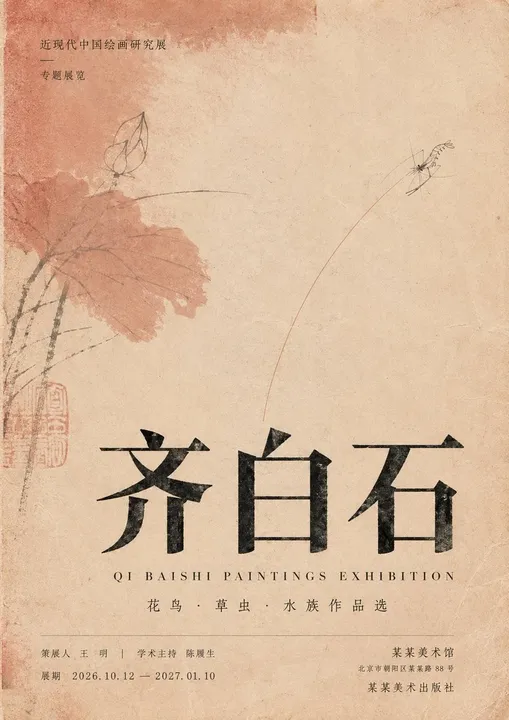
Complete AI image prompt
Build the first read around monumental display lettering that anchors an expansive field of quiet paper. Set the theme’s core name or concept in the requested writing system, using a broad, upright inscriptional skeleton, forceful dark verticals, sharp horizontals, and stable square counters; then alter only a few structurally valid strokes through hand-cut diagonals, extended terminals, triangular wedges, and asymmetric interlocks derived from the theme’s symbolism, preserving immediate orthographic recognition. Echo this mass with a dramatic drop to small supporting type set in generous tracking, then reduce peripheral credits and notes again, creating three emphatic levels of scale. Balance the heavy title against a lightweight information cluster at the outer field. Let a partially cropped, theme-derived wash enter from an edge; lead the eye across the open paper with one hairline arc or threadlike trajectory toward a remote miniature line-drawn sign, then return the gaze to the title and fine information, forming a restrained diagonal circuit. The theme must replace the wash form, tiny sign, trajectory meaning, wording, and narrative cue as one symbolic family. Their count and placement may adapt, while the relationship remains: one cropped peripheral mass, one distant small marker, one extremely fine connector, abundant breathing space, and one dominant typographic anchor. Use warm pale rag paper whose visible fibers and long oxidation create irregular brown warmth mainly across exposed substrate and outer edges, while the central reading field stays softly luminous and low contrast; sparse corner folds, rubbed contact points, and loosened fibers remain physically localized. Limit the applied color to theme-derived, low-chroma earth red, diluted ink gray, and paper warmth. Transparent water-based washes overlap in changing density, feather softly into absorbent paper, and retain occasional dry-brush gaps. Print the black display and fine type with relief-block absorption: small areas of paper show through dense ink where the fibers resist contact, yet stroke silhouettes remain decisive. Offset the wash, hairline drawing, red connector, and seal-like thematic mark by slight hand-registered shifts to create measured rhythm. Generate all dates, institutions, captions, and credits from the actual theme, retaining only their fine weight, open leading, slim rules, and wide tracking. Keep the result scholarly, hushed, literati-minded, and archival; every mark must guide the reading path or carry theme symbolism, so emptiness, residual brushwork, time-bearing paper, and custom lettering operate as one coherent design system.
More open images in the “Infographics & Visual Guides · Line Art · Paper Texture · 156” style