

Open prompts
sample 01 AI Image Prompt
sample 01, its complete AI image prompt, and the Illustration & Visual Styles · Watercolor · Paper Texture · 014 style are free to view and copy.
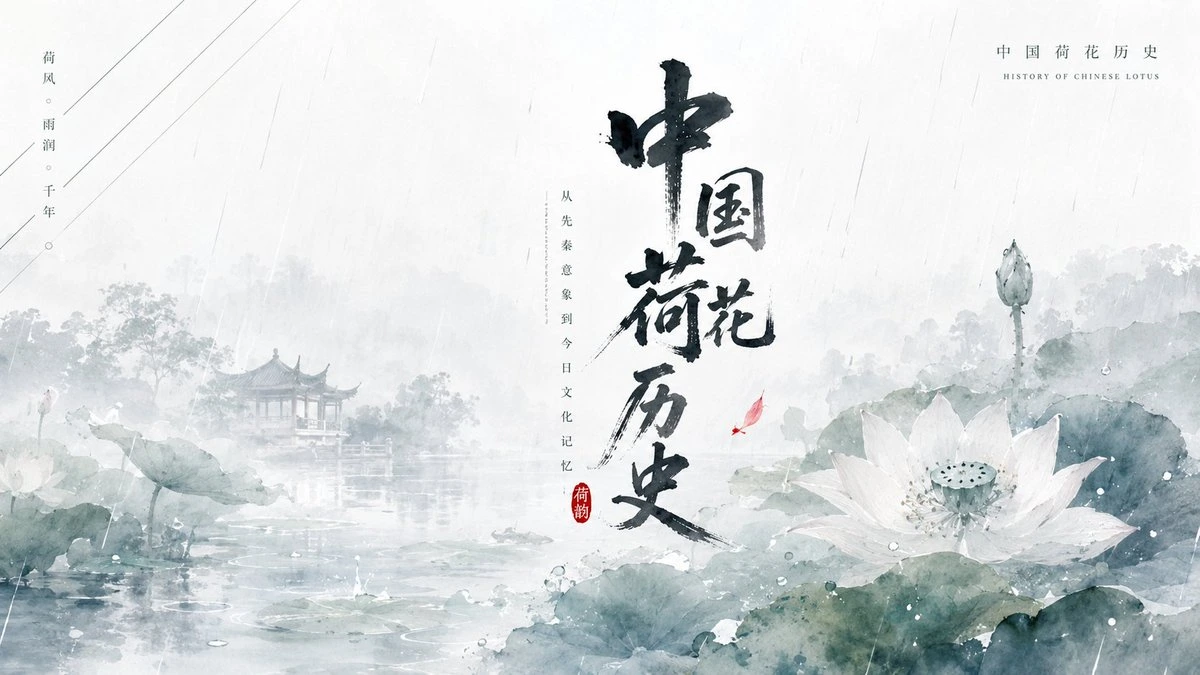
Complete AI image prompt
Build the first read around monumental ink-brush display lettering, spanning most of the visual field or rising as a stacked calligraphic column according to the length and rhythm of the chosen copy. Keep every glyph orthographically valid while shaping it through authentic pressure changes, blunt pauses, dry-brush openings, ink-density shifts, tapered sweeps, and a sharp scale jump between heavy load-bearing strokes and hairline trails; allow only a few terminal gestures to break the implied grid and point into the surrounding imagery. Organize the space as a central-monument hierarchy: the calligraphy carries overwhelming optical weight, while fine supporting information retreats above, below, or beside it in a restrained high-contrast serif structure with wide tracking and airy leading, optionally joined by one light handwritten secondary line. Place a single small vermilion seal-like mark close to the main lettering as the only saturated typographic pause. Preserve an expansive field of luminous paper white around the dominant lettering. Guide the eye from the dense black title along its extended stroke direction into a theme-derived environment gathered along the lower field, then toward sparse peripheral microcopy, fine diagonal rules, and tiny circular markers that quietly restore order. Translate the chosen subject and its symbolic relationships into translucent ink-and-watercolor scenery: several enlarged, overlapping theme-borne forms press against or continue beyond the near edges; a low-contrast horizontal flow links the middle distance; small narrative signs recede into pale atmospheric depth. Let the subject determine silhouettes, material associations, attachments, color sources, and narrative cues while retaining the governing relationship of dense below and open above, substantial foreground and dissolved distance, recognizable contours passing into negative space. Render the image with wet watercolor and diluted ink absorbed into white paper, layered in transparent washes. Alternate selectively articulated foreground edges with soft capillary blooms, while distant forms disappear through high-key mist; a few subject-derived airborne fragments or tiny animate accents cross the emptiness to create a delicate directional beat. Derive hue families from the subject, keeping near-white as the dominant field, two or three low-chroma cool families as the main depth structure, gentle pale warm notes as secondary echoes, concentrated black reserved for the display lettering, and vermilion reserved for the seal or one minute focal cue. Use enveloping diffuse light, tender reflections or fine luminous ripples wherever the theme supplies a flowing medium, and maintain an even, translucent paper field outside the illustrated forms. Confine visible pigment absorption, overlapping washes, and edge backflow to the painted environment so forceful calligraphy, contemplative emptiness, and lucid color atmosphere remain inseparable.
Original style prompt
Build the first read around monumental ink-brush display lettering, spanning most of the visual field or rising as a stacked calligraphic column according to the length and rhythm of the chosen copy. Keep every glyph orthographically valid while shaping it through authentic pressure changes, blunt pauses, dry-brush openings, ink-density shifts, tapered sweeps, and a sharp scale jump between heavy load-bearing strokes and hairline trails; allow only a few terminal gestures to break the implied grid and point into the surrounding imagery. Organize the space as a central-monument hierarchy: the calligraphy carries overwhelming optical weight, while fine supporting information retreats above, below, or beside it in a restrained high-contrast serif structure with wide tracking and airy leading, optionally joined by one light handwritten secondary line. Place a single small vermilion seal-like mark close to the main lettering as the only saturated typographic pause. Preserve an expansive field of luminous paper white around the dominant lettering. Guide the eye from the dense black title along its extended stroke direction into a theme-derived environment gathered along the lower field, then toward sparse peripheral microcopy, fine diagonal rules, and tiny circular markers that quietly restore order. Translate the chosen subject and its symbolic relationships into translucent ink-and-watercolor scenery: several enlarged, overlapping theme-borne forms press against or continue beyond the near edges; a low-contrast horizontal flow links the middle distance; small narrative signs recede into pale atmospheric depth. Let the subject determine silhouettes, material associations, attachments, color sources, and narrative cues while retaining the governing relationship of dense below and open above, substantial foreground and dissolved distance, recognizable contours passing into negative space. Render the image with wet watercolor and diluted ink absorbed into white paper, layered in transparent washes. Alternate selectively articulated foreground edges with soft capillary blooms, while distant forms disappear through high-key mist; a few subject-derived airborne fragments or tiny animate accents cross the emptiness to create a delicate directional beat. Derive hue families from the subject, keeping near-white as the dominant field, two or three low-chroma cool families as the main depth structure, gentle pale warm notes as secondary echoes, concentrated black reserved for the display lettering, and vermilion reserved for the seal or one minute focal cue. Use enveloping diffuse light, tender reflections or fine luminous ripples wherever the theme supplies a flowing medium, and maintain an even, translucent paper field outside the illustrated forms. Confine visible pigment absorption, overlapping washes, and edge backflow to the painted environment so forceful calligraphy, contemplative emptiness, and lucid color atmosphere remain inseparable.
More open images in the “Illustration & Visual Styles · Watercolor · Paper Texture · 014” style