

Open prompts
sample 01 AI Image Prompt
sample 01, its complete AI image prompt, and the Travel, Cities & Architecture · Good Morning · Good Night · 066 style are free to view and copy.
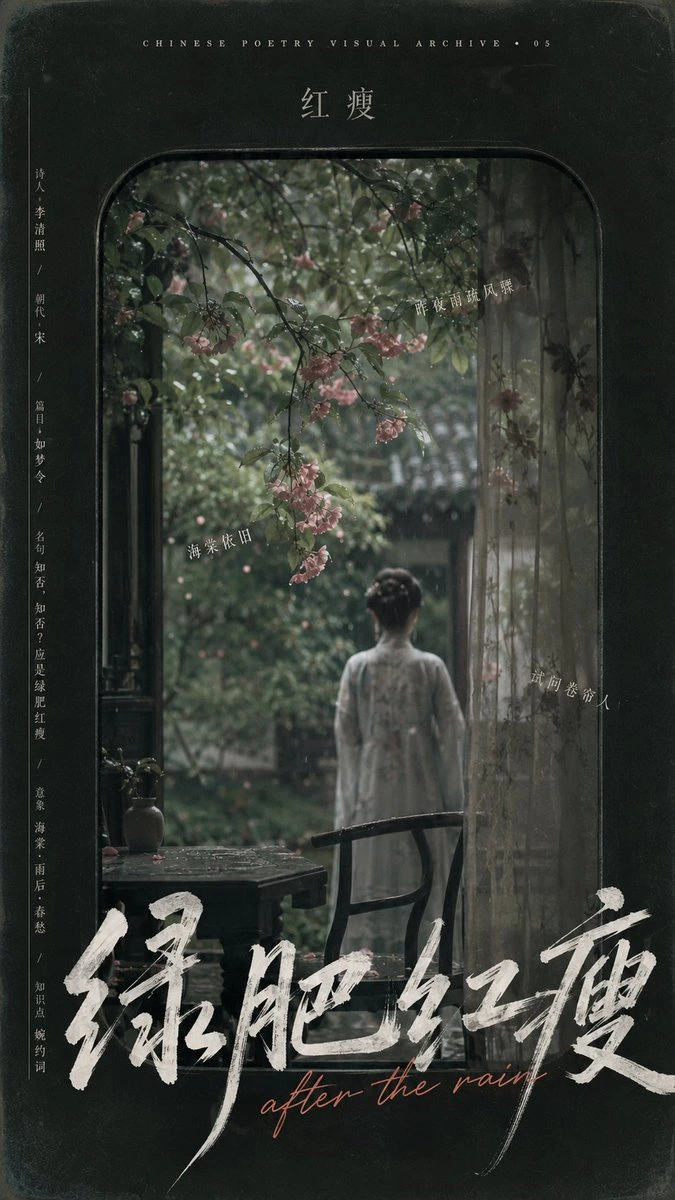
Complete AI image prompt
Build the image as an intimate scene viewed through a large photographic window set into a nearly black archival cover: a broad, weighty outer field contains the picture with generously rounded corners, establishing a tactile cover-to-window-to-deep-space sequence. Let the photograph dominate while slender marginal records recede to a whisper, then break the calm with an enormous hand-brushed display title that crosses both image and border along the lower edge. Derive the setting, protagonist, symbols, and narrative traces entirely from the chosen subject; keep the emotional anchor small against an environment at least several times larger, using a dark foreground interruption to admit the eye, a theme-bearing middle plane, and a spacious distance compressed by air, translucent matter, and softened contours. Natural directional cues should carry the gaze toward one restrained luminous focus before the sweeping title strokes return it to the lower boundary. Use a low-key, restrained-chroma photographic palette whose dominant cool darks are bounded by the subject's time, materials, and emotional temperature. Permit one compact warm light or reflection with strong optical reach, then echo its hue in a hairline handwritten annotation beneath the title so environmental illumination and information design visibly answer each other. Model enveloping, plausible light: layered detail in the near darks, gentle diffusion through humid air, veil, mist, or another subject-native medium farther back, and only localized transparency so depth remains legible. Construct the display lettering in the valid anatomy of the target writing system, with forceful brush pressure, abrupt thick-to-thin modulation, extended terminals that act as directional marks, interlocking glyphs, and recognizable counters and components; create the broken pale-ink edges through a genuinely dry brush dragging across absorbent fibers. Set supporting copy in a fine, high-contrast print face: a widely tracked archival index above, sparse grouped side columns, and a few lightly tilted micro-notes inside the image, all written from the subject and kept terse. Layer black fibrous cover stock, matte photographic ink, and absorbent writing ink; confine handling polish to the outer cover corners, preserve a continuous smooth tonal field inside the photograph, and let fiber pull remain only along the brush-ink edges. The finished system should feel hushed, private, cinematic, and literary, with extreme scale contrast between monumental gesture and disciplined archival detail.
Original style prompt
Build the image as an intimate scene viewed through a large photographic window set into a nearly black archival cover: a broad, weighty outer field contains the picture with generously rounded corners, establishing a tactile cover-to-window-to-deep-space sequence. Let the photograph dominate while slender marginal records recede to a whisper, then break the calm with an enormous hand-brushed display title that crosses both image and border along the lower edge. Derive the setting, protagonist, symbols, and narrative traces entirely from the chosen subject; keep the emotional anchor small against an environment at least several times larger, using a dark foreground interruption to admit the eye, a theme-bearing middle plane, and a spacious distance compressed by air, translucent matter, and softened contours. Natural directional cues should carry the gaze toward one restrained luminous focus before the sweeping title strokes return it to the lower boundary. Use a low-key, restrained-chroma photographic palette whose dominant cool darks are bounded by the subject's time, materials, and emotional temperature. Permit one compact warm light or reflection with strong optical reach, then echo its hue in a hairline handwritten annotation beneath the title so environmental illumination and information design visibly answer each other. Model enveloping, plausible light: layered detail in the near darks, gentle diffusion through humid air, veil, mist, or another subject-native medium farther back, and only localized transparency so depth remains legible. Construct the display lettering in the valid anatomy of the target writing system, with forceful brush pressure, abrupt thick-to-thin modulation, extended terminals that act as directional marks, interlocking glyphs, and recognizable counters and components; create the broken pale-ink edges through a genuinely dry brush dragging across absorbent fibers. Set supporting copy in a fine, high-contrast print face: a widely tracked archival index above, sparse grouped side columns, and a few lightly tilted micro-notes inside the image, all written from the subject and kept terse. Layer black fibrous cover stock, matte photographic ink, and absorbent writing ink; confine handling polish to the outer cover corners, preserve a continuous smooth tonal field inside the photograph, and let fiber pull remain only along the brush-ink edges. The finished system should feel hushed, private, cinematic, and literary, with extreme scale contrast between monumental gesture and disciplined archival detail.
More open images in the “Travel, Cities & Architecture · Good Morning · Good Night · 066” style