
Open prompts
sample 01 AI Image Prompt
sample 01, its complete AI image prompt, and the Creator Covers & Editorial Images · Bright · 266 style are free to view and copy.
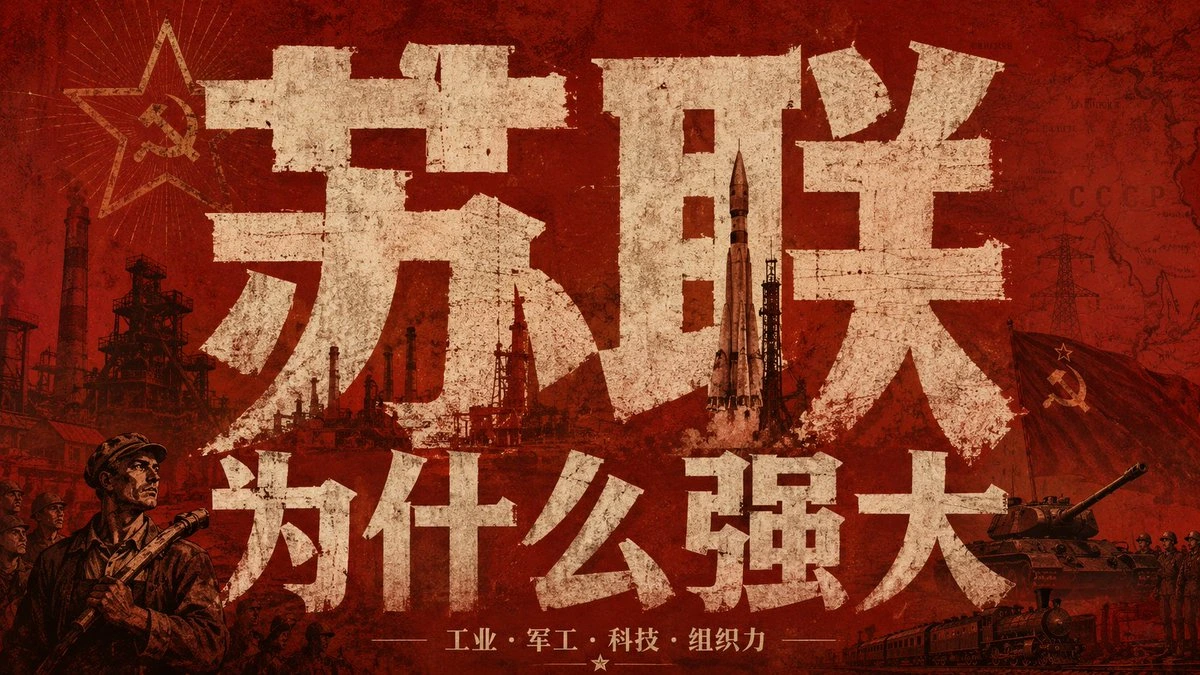
Complete AI image prompt
Build the first read as a near-frame-filling wall of monumental display lettering, packed into two or three tiers with extreme scale jumps. Let the main words carry almost all visual weight: glyphs press against one another, selected strokes touch the frame or break an implied column, while compact subtitles, brief annotations, and seal-like information retreat into margins and interstices. Direct the eye from typographic impact, through embedded narrative fragments, to the smallest text. Construct the headline from a heavy, orthographically valid display skeleton suited to the target writing system; allow bounded movement between squared inscriptional mass, sharp high-contrast serif logic, and forceful hand-shaped forms according to the subject's emotional character. Amplify thick-thin stroke tension, tighten counters, use decisive sweeping terminals and wedge-like endings, vary the baseline slightly, and make neighboring glyphs bite together as if sharing contours while preserving recognition. Print on absorbent coarse-fiber paper with dense dark ink settling into the surface. Render the pale letterforms as repeated relief impressions and transferred prints: the primary stroke bodies remain massive and coherent, while irregular ink skips and exposed fibers occur specifically inside the letter faces, along their pressure edges, and across the raised points of large solid ink areas; small copy and essential faces stay sharply legible. Let the chosen subject generate its own dominant forms, symbols, material associations, color sources, narrative clues, and information hierarchy, then convert these into one- or two-ink relief-cut linework, silhouettes, and selectively realistic fragments. Keep that imagery as a low-value environmental layer behind the lettering, revealed through counters, broken strokes, and line gaps; allow a few subject-defining forms to cross a stroke or overlap a letter edge, producing controlled figure-ground exchange while the headline retains command. Give most of the field to one dark, subject-derived dominant hue, use paper white or warm ivory as the typographic light, near-black for contours and depth, and reserve a tiny subject-derived bright accent for the narrative focus; hold the image together through broad flat color areas and forceful value separation. Create shallow depth with a cropped foreground carrier, a continuous middle narrative band, and distant symbolic traces. Peripheral figures, structures, or objects act only as scale gauges and directional cues; concentrate detail toward the visual center and let dark illustration continue beyond the edges. Fuse propagandistic print force, vernacular relief-cut drawing, and archival montage into a historically layered drama in which abundant information remains subordinate to one monumental typographic center, and illustration, color field, paper, and ink behavior jointly express the subject's time depth and emotional temperature.
Original style prompt
Build the first read as a near-frame-filling wall of monumental display lettering, packed into two or three tiers with extreme scale jumps. Let the main words carry almost all visual weight: glyphs press against one another, selected strokes touch the frame or break an implied column, while compact subtitles, brief annotations, and seal-like information retreat into margins and interstices. Direct the eye from typographic impact, through embedded narrative fragments, to the smallest text. Construct the headline from a heavy, orthographically valid display skeleton suited to the target writing system; allow bounded movement between squared inscriptional mass, sharp high-contrast serif logic, and forceful hand-shaped forms according to the subject's emotional character. Amplify thick-thin stroke tension, tighten counters, use decisive sweeping terminals and wedge-like endings, vary the baseline slightly, and make neighboring glyphs bite together as if sharing contours while preserving recognition. Print on absorbent coarse-fiber paper with dense dark ink settling into the surface. Render the pale letterforms as repeated relief impressions and transferred prints: the primary stroke bodies remain massive and coherent, while irregular ink skips and exposed fibers occur specifically inside the letter faces, along their pressure edges, and across the raised points of large solid ink areas; small copy and essential faces stay sharply legible. Let the chosen subject generate its own dominant forms, symbols, material associations, color sources, narrative clues, and information hierarchy, then convert these into one- or two-ink relief-cut linework, silhouettes, and selectively realistic fragments. Keep that imagery as a low-value environmental layer behind the lettering, revealed through counters, broken strokes, and line gaps; allow a few subject-defining forms to cross a stroke or overlap a letter edge, producing controlled figure-ground exchange while the headline retains command. Give most of the field to one dark, subject-derived dominant hue, use paper white or warm ivory as the typographic light, near-black for contours and depth, and reserve a tiny subject-derived bright accent for the narrative focus; hold the image together through broad flat color areas and forceful value separation. Create shallow depth with a cropped foreground carrier, a continuous middle narrative band, and distant symbolic traces. Peripheral figures, structures, or objects act only as scale gauges and directional cues; concentrate detail toward the visual center and let dark illustration continue beyond the edges. Fuse propagandistic print force, vernacular relief-cut drawing, and archival montage into a historically layered drama in which abundant information remains subordinate to one monumental typographic center, and illustration, color field, paper, and ink behavior jointly express the subject's time depth and emotional temperature.
More open images in the “Creator Covers & Editorial Images · Bright · 266” style