


Open prompts
sample 02 AI Image Prompt
sample 02, its complete AI image prompt, and the Portraits, Weddings & Photography · Glass · Bright · 107 style are free to view and copy.
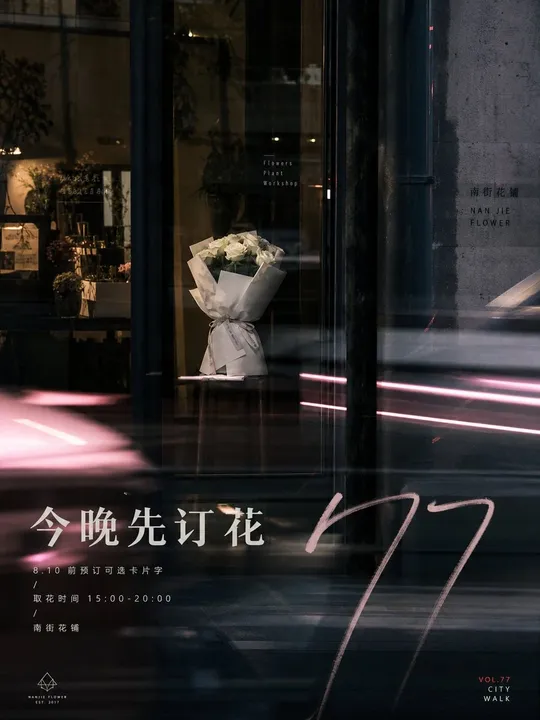
Complete AI image prompt
Build the first read around a quiet, sharply resolved thematic carrier held almost motionless inside a real urban interface while a much nearer passing element sweeps laterally through the middle as a long-exposure band. Let this translucent band mask the lower portion or a selected contour of the carrier while preserving its most recognizable shape and point of attention, turning stillness versus time in motion into the governing event. Construct depth through nested frames, glazing, doors, columns, architectural divisions, or equivalent structures derived from the subject; the carrier remains a medium-scale visual anchor behind them, the speed band crosses and breaks their vertical order, and a continuous pool of deep shadow supports the information layer. Guide the eye from environmental evidence to the carrier, down through the moving veil, then outward through display lettering and a handwritten time mark. Keep the setting legible and narratively active: reflections on glass, overlapping interior and exterior views, isolated practical lights, and restrained atmospheric falloff create layered figure-ground exchange, while the subject supplies the site meaning, material cues, symbols, and traces of an unfolding story. Hold most of the image in charcoal, deep blue-green, or a theme-derived cool dark family; reserve warm amber for practical illumination and the carrier's key surface, then allow the passing element one concentrated warm or pink luminous trail. Hues may change with the subject, but the dominant cool darkness, small warm focal pool, and very limited high-chroma motion accent retain their unequal area relationship. Use restrained cinematic realism: soft ambient light wraps the environment, the carrier's face or key surface keeps natural tonal separation and intact edges, lateral blur stretches continuously with internal light-dark variation, and reflections remain physically tied to glass or polished material. Typography forms the second anchor. Set the main message in an orthographically valid high-contrast serif structure appropriate to the target writing system, large and compact, with decisive terminals, clear counters, and a sober block-like weight; reduce dates, locations, and supporting facts to fine type, wide tracking, and short editorial lines. Across the boundary between image and title, draw one oversized, slanted numeral or time notation in a fast hand, with translucent chalk-or-wax drag, layered dry strokes, and decisive entries and exits; crop it at the frame when useful and make it the sole handmade interruption. Derive its content, copy hierarchy, and symbols from the subject while preserving the three-step scale jump of printed headline, miniature data, and monumental handwritten time trace. Maintain the tactile clarity of dark glass, even architectural surfaces, and crisp typesetting so the moving mask, reflective planes, and interlocked image-type layers produce an understated urban narrative with lingering temporal tension.
More open images in the “Portraits, Weddings & Photography · Glass · Bright · 107” style