

Open prompts
sample 02 AI Image Prompt
sample 02, its complete AI image prompt, and the Typography & Posters · Glass · Bright · 224 style are free to view and copy.
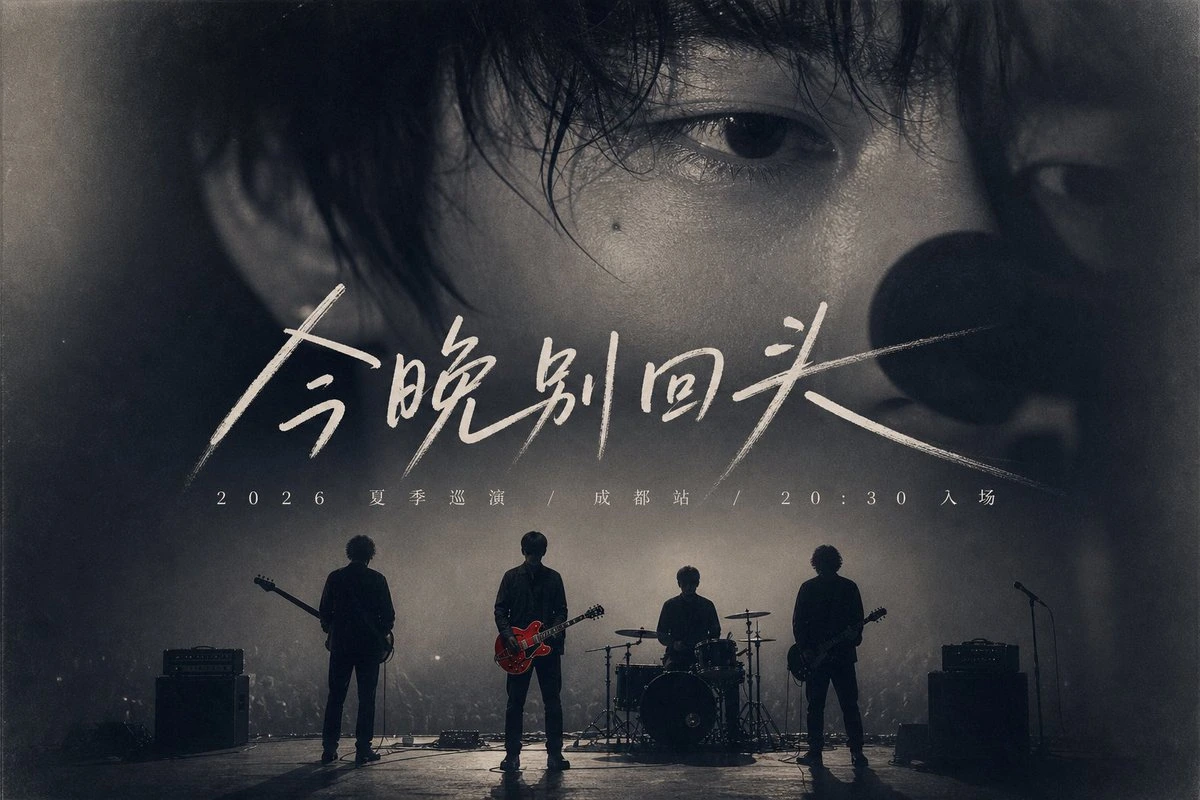
Complete AI image prompt
Stage the theme at two radically different scales within one photographic world. Let its most recognizable form become an immense close-up, cropped hard by the frame and enlarged until tactile detail reads like atmosphere or architecture; counterweight it with a sharply resolved, much smaller real-world anchor in the lower load-bearing zone, using theme-derived figures, objects, or action to establish scale and narrative. The layers must interact rather than sit as a collage: dissolve the monumental image into a soft, low-contrast psychological backdrop while contact shadows, reflections, and a precise silhouette root the small anchor in physical space. Preserve a broad dark interval between them so the eye is first immersed in the giant emotional presence, then drops toward the tangible event. Keep the center of gravity low and stable through unequal masses and generous negative space; subject form, anchor count, symbolic attachments, and story may change, but the looming-image versus grounded-scene scale inversion remains. Build a low-key cinematic exposure from coal black, graphite, and cool blue-gray, with deep yet articulated shadows. Soft side light or backlight should travel only across crucial contours, skin, transparent or damp materials, and structural edges. Derive one tiny warm or high-chroma accent from the theme as the visual pulse and restrain all other color. Where the concept supports atmosphere, use thin haze, a projected beam, or environmental reflection to bridge depth, with a controlled specular echo on the floor or tabletop securing the foreground anchor. Carry a short primary message across the image in warm off-white expressive handwriting, preserving valid anatomy for the target writing system: rapid dry-brush modulation, pressure-led turns, open counters, sharp tapered terminals, and one or two dramatically extended exit strokes that create horizontal momentum. Let the lettering cross both the giant image and the dark interval while opening around the focal silhouette, acting as a luminous bridge between scales. Compress secondary information into one very small, widely tracked linear cadence; divide phrases with slashes or broad spaces, keep the weight delicate and the value below the headline, and use its steady baseline to balance the lower scene. Maintain credible photographic surfaces and shallow depth of field, reserving crisp focus for the narrative anchor and a few tactile details. A fine, even silver-halide texture may live in the midtones only, stopping before bright contour light and legible lettering; restrained edge falloff and soft optical bloom gather attention inward. The result should feel controlled, cool, nocturnal, faintly wet, and charged with private emotion left unresolved.
Original style prompt
Stage the theme at two radically different scales within one photographic world. Let its most recognizable form become an immense close-up, cropped hard by the frame and enlarged until tactile detail reads like atmosphere or architecture; counterweight it with a sharply resolved, much smaller real-world anchor in the lower load-bearing zone, using theme-derived figures, objects, or action to establish scale and narrative. The layers must interact rather than sit as a collage: dissolve the monumental image into a soft, low-contrast psychological backdrop while contact shadows, reflections, and a precise silhouette root the small anchor in physical space. Preserve a broad dark interval between them so the eye is first immersed in the giant emotional presence, then drops toward the tangible event. Keep the center of gravity low and stable through unequal masses and generous negative space; subject form, anchor count, symbolic attachments, and story may change, but the looming-image versus grounded-scene scale inversion remains. Build a low-key cinematic exposure from coal black, graphite, and cool blue-gray, with deep yet articulated shadows. Soft side light or backlight should travel only across crucial contours, skin, transparent or damp materials, and structural edges. Derive one tiny warm or high-chroma accent from the theme as the visual pulse and restrain all other color. Where the concept supports atmosphere, use thin haze, a projected beam, or environmental reflection to bridge depth, with a controlled specular echo on the floor or tabletop securing the foreground anchor. Carry a short primary message across the image in warm off-white expressive handwriting, preserving valid anatomy for the target writing system: rapid dry-brush modulation, pressure-led turns, open counters, sharp tapered terminals, and one or two dramatically extended exit strokes that create horizontal momentum. Let the lettering cross both the giant image and the dark interval while opening around the focal silhouette, acting as a luminous bridge between scales. Compress secondary information into one very small, widely tracked linear cadence; divide phrases with slashes or broad spaces, keep the weight delicate and the value below the headline, and use its steady baseline to balance the lower scene. Maintain credible photographic surfaces and shallow depth of field, reserving crisp focus for the narrative anchor and a few tactile details. A fine, even silver-halide texture may live in the midtones only, stopping before bright contour light and legible lettering; restrained edge falloff and soft optical bloom gather attention inward. The result should feel controlled, cool, nocturnal, faintly wet, and charged with private emotion left unresolved.
More open images in the “Typography & Posters · Glass · Bright · 224” style