

Open prompts
sample 03 AI Image Prompt
sample 03, its complete AI image prompt, and the Presentations & Courseware · Printmaking · Calming · 292 style are free to view and copy.
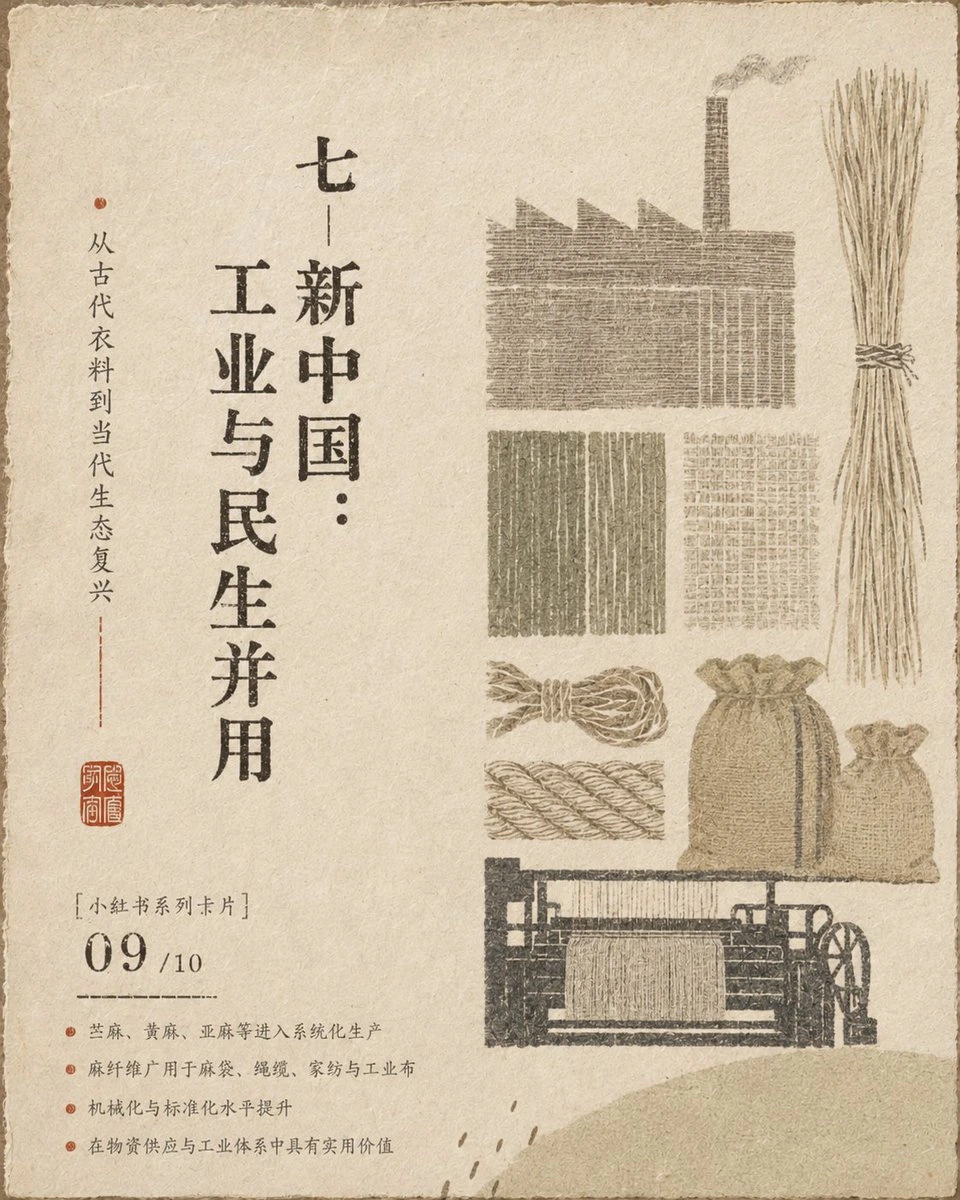
Complete AI image prompt
Build the first read around an oversized column of display lettering whose dark strokes act as the dominant graphic mass. Use an upright, high-contrast printed skeleton with restrained hand-cut variation, emphatic verticals, unevenly modulated horizontals, wedge-like terminals, open counters, and tiny ink interruptions inside the strokes, while preserving valid, immediately legible anatomy in the chosen writing system. Counter this dense title with hairline side notes, short rules, issue numbers, page fractions, captions, and compact itemized text at a radically smaller scale; derive all wording, symbols, and hierarchy from the subject, and guide the eye from a minute cinnabar dot through the title into the visual archive and out through a marginal index. Govern the space with an asymmetric double-axis editorial system: gather the title and quiet metadata along one axis, then assemble subject-derived silhouettes, material specimens, texture swatches, structural grids, functional symbols, and one restrained process vignette along the other. Let the title carry roughly the combined optical weight of the many lighter specimens. Keep a broad, continuous field of empty paper between groups; permit modules to drift, cross an implied column, hang alone, or breach a grid line, while repeated ink color and fiber direction restore continuity. Translate the subject into four cooperating roles: a recognizable emblematic form, enlarged fragments that reveal its material logic, a simplified making-or-use scene, and low-volume informational indexing, so image, texture, and text explain one another. Render imagery like a hand-printed natural-history plate and working archive: shape contours with fine hatching, dry ink lines, and sparse tonal marks, concentrating detail at recognition points and rapidly abbreviating it elsewhere. Describe constructed materials through credible interlacing, parallel strands, binding, knotting, or layered structure; balance rectilinear swatches against organic silhouettes. Use a single warm ivory cotton-linen sheet as the ground, with long pulp fibers and shallow pressed texture running through the substrate, naturally deckled outer edges, and a slightly deeper oxidation tone confined to the perimeter. Dark brown-black ink should break minutely only within printed strokes and hatching where the paper relief resists contact, while the large untouched field remains calm, even, and breathable. Restrict the palette to paper ivory, ink brown, flax gray, and muted earth brown. Reserve cinnabar red for tiny entry dots, short rules, seal impressions, or terminal markers, giving a very small area decisive hierarchical force. Keep illumination flat and diffuse, with depth carried by ink value, line density, and tactile paper or fiber structure. Add a square seal-like mark built from subject-derived short glyphs, and close the lower rhythm with dotted rules, nodes, folio numerals, or a low quiet paper-toned mass, creating an extensible family of East Asian handcrafted archival knowledge cards.


——————
Theme: the history of ramie cloth (hemp fabric) in China. Create a serialized set of Xiaohongshu cards using PPT-like multi-image logic. Generate 10 images.
Original style prompt
Build the first read around an oversized column of display lettering whose dark strokes act as the dominant graphic mass. Use an upright, high-contrast printed skeleton with restrained hand-cut variation, emphatic verticals, unevenly modulated horizontals, wedge-like terminals, open counters, and tiny ink interruptions inside the strokes, while preserving valid, immediately legible anatomy in the chosen writing system. Counter this dense title with hairline side notes, short rules, issue numbers, page fractions, captions, and compact itemized text at a radically smaller scale; derive all wording, symbols, and hierarchy from the subject, and guide the eye from a minute cinnabar dot through the title into the visual archive and out through a marginal index. Govern the space with an asymmetric double-axis editorial system: gather the title and quiet metadata along one axis, then assemble subject-derived silhouettes, material specimens, texture swatches, structural grids, functional symbols, and one restrained process vignette along the other. Let the title carry roughly the combined optical weight of the many lighter specimens. Keep a broad, continuous field of empty paper between groups; permit modules to drift, cross an implied column, hang alone, or breach a grid line, while repeated ink color and fiber direction restore continuity. Translate the subject into four cooperating roles: a recognizable emblematic form, enlarged fragments that reveal its material logic, a simplified making-or-use scene, and low-volume informational indexing, so image, texture, and text explain one another. Render imagery like a hand-printed natural-history plate and working archive: shape contours with fine hatching, dry ink lines, and sparse tonal marks, concentrating detail at recognition points and rapidly abbreviating it elsewhere. Describe constructed materials through credible interlacing, parallel strands, binding, knotting, or layered structure; balance rectilinear swatches against organic silhouettes. Use a single warm ivory cotton-linen sheet as the ground, with long pulp fibers and shallow pressed texture running through the substrate, naturally deckled outer edges, and a slightly deeper oxidation tone confined to the perimeter. Dark brown-black ink should break minutely only within printed strokes and hatching where the paper relief resists contact, while the large untouched field remains calm, even, and breathable. Restrict the palette to paper ivory, ink brown, flax gray, and muted earth brown. Reserve cinnabar red for tiny entry dots, short rules, seal impressions, or terminal markers, giving a very small area decisive hierarchical force. Keep illumination flat and diffuse, with depth carried by ink value, line density, and tactile paper or fiber structure. Add a square seal-like mark built from subject-derived short glyphs, and close the lower rhythm with dotted rules, nodes, folio numerals, or a low quiet paper-toned mass, creating an extensible family of East Asian handcrafted archival knowledge cards.
More open images in the “Presentations & Courseware · Printmaking · Calming · 292” style