

Open prompts
sample 03 AI Image Prompt
sample 03, its complete AI image prompt, and the Portraits, Weddings & Photography · Bright · Retro · 094 style are free to view and copy.
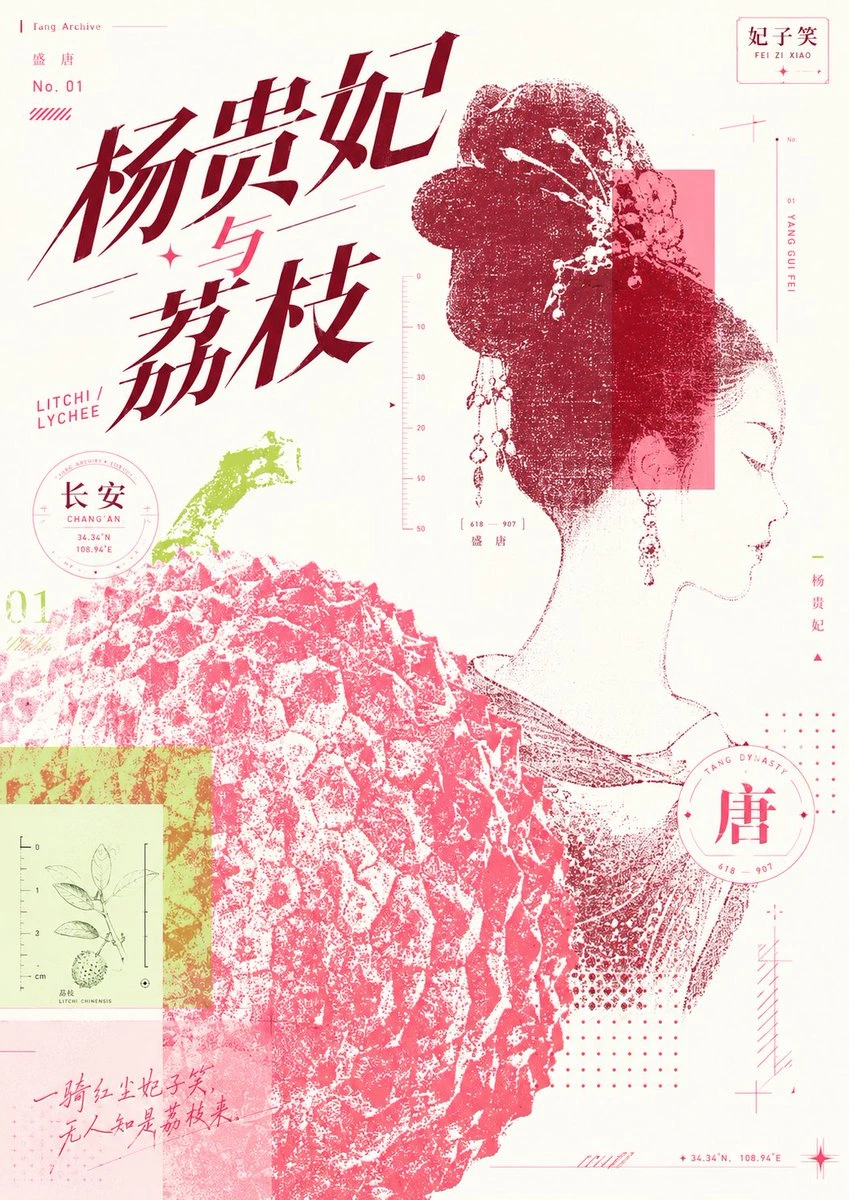
Complete AI image prompt
Make the subject register first as an oversized, tightly cropped, high-contrast monochrome image that carries roughly three quarters of the visual weight, running beyond an edge while broad uninterrupted paper-white space, headline lettering, and translucent color panes cut through selected regions. Counter it from a distance with one sharply reduced profile, detail, or action view; lead the eye into the subject’s most recognizable feature, down the directional sweep of the display lettering, across the secondary image, and finally into archival indexes along the margins. Build an asymmetric dynamic equilibrium on a disciplined editorial grid: micro-information retreats to fine axes and outer intervals, while only a few elements deliberately cross column rules or mask the main image, creating one controlled rupture inside an otherwise exact system. Let the chosen subject generate the hero form, alternate view, symbolic attachments, narrative evidence, and information hierarchy. Turn its core name into monumental high-contrast display lettering with valid anatomy for the intended writing system; use abrupt thick-to-thin modulation, sharp wedge terminals, elongated directional strokes or script-appropriate equivalents, staggered line rhythm, and selective overlap with the image while preserving immediate recognition. Set captions and labels in very small condensed type with generous tracking, short columns, serial numbers, rulers, crosshairs, circular seals, coordinates, dates, specimen boxes, dot matrices, and brief hatch marks; keep these devices sparse and exact so they create documentary scale and evidence without competing with the main title. Use luminous uncolored paper white as the dominant field, near-black or a theme-derived deep ink for image and type, and extract one saturated accent from the subject’s cultural meaning and material associations. Confine that accent to a small share of the field through translucent rectangles, localized overprinting, hairline rules, seals, and isolated headline strokes, with only a pale tint of the same hue as support, preserving a clear white–dark-ink–accent hierarchy. Convert photographic or realistic imagery into a coarse screened halftone and high-threshold ink plate: paper white opens through the highlights, shadows remain dense, and hair, fabric, organic matter, or subject-native textures acquire fine ink dropout and dry broken edges from photocopy-style plate reproduction. Keep this interrupted ink behavior strictly on printed imagery and solid ink masses; retain even paper fields, crisp hairlines, and sharply legible microtype. Use translucent geometric panes to divide the image while revealing underlying contours, circular seals and scales to restore order, and a single handwritten note or signature as a warmer human deviation. Preserve three reading distances: monumental image and name from afar, accent panes and secondary view at midrange, then serial data, coordinates, and plate detail up close, balancing cool archival discipline with an intense individual presence.
Original style prompt
Make the subject register first as an oversized, tightly cropped, high-contrast monochrome image that carries roughly three quarters of the visual weight, running beyond an edge while broad uninterrupted paper-white space, headline lettering, and translucent color panes cut through selected regions. Counter it from a distance with one sharply reduced profile, detail, or action view; lead the eye into the subject’s most recognizable feature, down the directional sweep of the display lettering, across the secondary image, and finally into archival indexes along the margins. Build an asymmetric dynamic equilibrium on a disciplined editorial grid: micro-information retreats to fine axes and outer intervals, while only a few elements deliberately cross column rules or mask the main image, creating one controlled rupture inside an otherwise exact system. Let the chosen subject generate the hero form, alternate view, symbolic attachments, narrative evidence, and information hierarchy. Turn its core name into monumental high-contrast display lettering with valid anatomy for the intended writing system; use abrupt thick-to-thin modulation, sharp wedge terminals, elongated directional strokes or script-appropriate equivalents, staggered line rhythm, and selective overlap with the image while preserving immediate recognition. Set captions and labels in very small condensed type with generous tracking, short columns, serial numbers, rulers, crosshairs, circular seals, coordinates, dates, specimen boxes, dot matrices, and brief hatch marks; keep these devices sparse and exact so they create documentary scale and evidence without competing with the main title. Use luminous uncolored paper white as the dominant field, near-black or a theme-derived deep ink for image and type, and extract one saturated accent from the subject’s cultural meaning and material associations. Confine that accent to a small share of the field through translucent rectangles, localized overprinting, hairline rules, seals, and isolated headline strokes, with only a pale tint of the same hue as support, preserving a clear white–dark-ink–accent hierarchy. Convert photographic or realistic imagery into a coarse screened halftone and high-threshold ink plate: paper white opens through the highlights, shadows remain dense, and hair, fabric, organic matter, or subject-native textures acquire fine ink dropout and dry broken edges from photocopy-style plate reproduction. Keep this interrupted ink behavior strictly on printed imagery and solid ink masses; retain even paper fields, crisp hairlines, and sharply legible microtype. Use translucent geometric panes to divide the image while revealing underlying contours, circular seals and scales to restore order, and a single handwritten note or signature as a warmer human deviation. Preserve three reading distances: monumental image and name from afar, accent panes and secondary view at midrange, then serial data, coordinates, and plate detail up close, balancing cool archival discipline with an intense individual presence.
More open images in the “Portraits, Weddings & Photography · Bright · Retro · 094” style