

Open prompts
sample 04 AI Image Prompt
sample 04, its complete AI image prompt, and the Illustration & Visual Styles · 3D · Paper Texture · 008 style are free to view and copy.
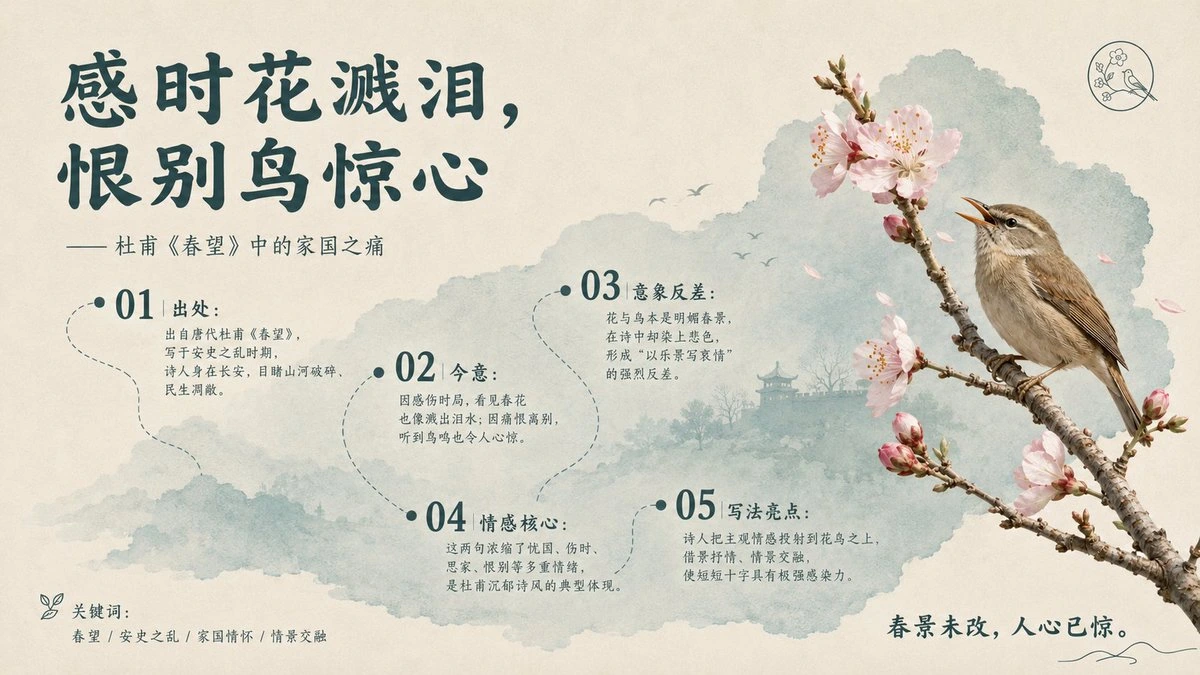
Complete AI image prompt
Build an asymmetric two-zone editorial composition in which an airy narrative field of oversized lettering and tiered information counterbalances a highly resolved thematic hero form carrying roughly three times the visual weight of any supporting element. The zones may mirror or shift with the subject, but preserve the reading cadence: display lettering establishes the emotional key, connected information advances the story, and the hero form arrests the eye. Bridge both zones with a broad, low-chroma shape whose hue is derived from the subject’s inherent color or emotional associations; give it the softly rounded, locally uneven contour of hand-laid paper or a translucent watercolor cloud, using restrained opacity so it can cradle the hero silhouette and contact shadow while passing behind selected information. Keep a generous, evenly matte warm-white paper field dominant, making open space an active structural interval. Let the theme determine the recognizable hero form, symbolism, attached details, narrative cues, and information hierarchy. Render the hero with clear realism or finely integrated photographic collage, truthful material response, soft enveloping light, clean silhouette separation, and a light grounded shadow; allow a few theme-derived accents to cross the colored field or approach an outer edge for controlled tension. Reduce all explanatory content to small monoline icons, numbered nodes, brief copy, and sparse ornamental marks. Construct the headline as bold hand-drawn display lettering valid for the target writing system, with gently modulated stroke pressure, rounded turns and terminals, broad glyph bodies, tight but open spacing, and a slightly buoyant baseline; preserve correct orthographic anatomy and legibility. Set supporting copy in a finer, more orderly humanist hand or print face, using the extreme scale contrast to create an approachable yet decisive hierarchy. Organize two to five compact information modules with thin theme-colored strokes, short dashes, and dot anchors; guide them along relaxed arcs or looping paths that skirt the hero’s most recognizable features and pause at key numerals, icons, or short subheads. Draw every icon with one consistent line weight and rounded endpoints, abstracting subject traits into simple symbols. Use a descending color-area hierarchy of warm white, a pale theme-derived support field, deeper same-family lettering, and tiny high-chroma accents; retain authentic local colors within the hero while keeping the overall value structure bright, soft, and fresh. Photographic detail, handmade lettering, monoline notation, and the soft-edged color field must interlock as one system, giving commercial information, educational explanation, or emotional storytelling the same personable handmade character and clear, trustworthy reading order.
Original style prompt
Build an asymmetric two-zone editorial composition in which an airy narrative field of oversized lettering and tiered information counterbalances a highly resolved thematic hero form carrying roughly three times the visual weight of any supporting element. The zones may mirror or shift with the subject, but preserve the reading cadence: display lettering establishes the emotional key, connected information advances the story, and the hero form arrests the eye. Bridge both zones with a broad, low-chroma shape whose hue is derived from the subject’s inherent color or emotional associations; give it the softly rounded, locally uneven contour of hand-laid paper or a translucent watercolor cloud, using restrained opacity so it can cradle the hero silhouette and contact shadow while passing behind selected information. Keep a generous, evenly matte warm-white paper field dominant, making open space an active structural interval. Let the theme determine the recognizable hero form, symbolism, attached details, narrative cues, and information hierarchy. Render the hero with clear realism or finely integrated photographic collage, truthful material response, soft enveloping light, clean silhouette separation, and a light grounded shadow; allow a few theme-derived accents to cross the colored field or approach an outer edge for controlled tension. Reduce all explanatory content to small monoline icons, numbered nodes, brief copy, and sparse ornamental marks. Construct the headline as bold hand-drawn display lettering valid for the target writing system, with gently modulated stroke pressure, rounded turns and terminals, broad glyph bodies, tight but open spacing, and a slightly buoyant baseline; preserve correct orthographic anatomy and legibility. Set supporting copy in a finer, more orderly humanist hand or print face, using the extreme scale contrast to create an approachable yet decisive hierarchy. Organize two to five compact information modules with thin theme-colored strokes, short dashes, and dot anchors; guide them along relaxed arcs or looping paths that skirt the hero’s most recognizable features and pause at key numerals, icons, or short subheads. Draw every icon with one consistent line weight and rounded endpoints, abstracting subject traits into simple symbols. Use a descending color-area hierarchy of warm white, a pale theme-derived support field, deeper same-family lettering, and tiny high-chroma accents; retain authentic local colors within the hero while keeping the overall value structure bright, soft, and fresh. Photographic detail, handmade lettering, monoline notation, and the soft-edged color field must interlock as one system, giving commercial information, educational explanation, or emotional storytelling the same personable handmade character and clear, trustworthy reading order.
More open images in the “Illustration & Visual Styles · 3D · Paper Texture · 008” style