



Open prompts
sample 04 AI Image Prompt
sample 04, its complete AI image prompt, and the Typography & Posters · X Archive · 243 style are free to view and copy.
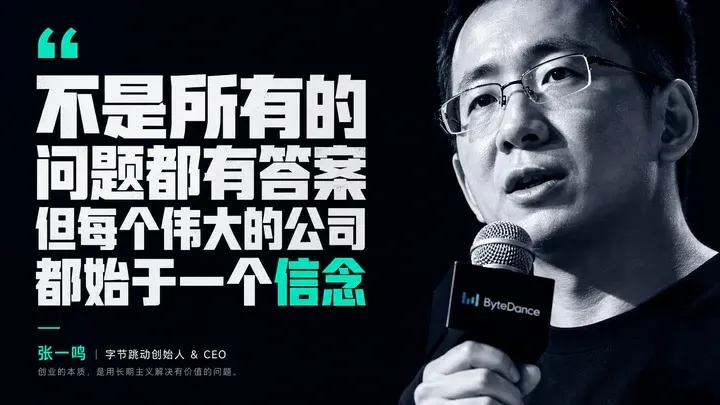
Complete AI image prompt
Build the first read around a near-equal confrontation between one highly recognizable, theme-derived hero carrier and an oversized statement: the hero may be a person, object, sculptural form, symbolic photograph, or image-graphic hybrid, enlarged until it meets the frame and cropped with decisive edge pressure, while the headline acts as a visual mass rather than a caption, set several scales above the supporting copy in a compact silhouette that delivers the central position or call to action. Balance these two unequal forms across a controlled interval of open space; when the subject permits, place a translucent commemorative numeral, keyword contour, or thematic light trace behind them and let the hero occlude it to create figure-ground overlap. Govern the space through asymmetric dynamic equilibrium: roughly two thirds of the optical weight belongs to one dominant mass, the opposing headline provides the counterweight, and secondary information retreats into an edge, narrow column, or low spanning band. The eye should strike the face, form, or headline first, descend through short modules for date, identity, quotation, agenda, and marks, then settle on a spanning information anchor; allow only one dominant element to cross the grid as the controlled structural break. Preserve valid anatomy for the chosen writing system. Give the main voice heavy, low-contrast, broad-faced display lettering with compressed leading, tight block rhythm, and punctuation that participates in the silhouette; coordinate it with light supporting text, generous tracking, disciplined baselines, small bilingual notes, dates, and numbering. For ceremonial or cultural themes, the display layer may shift to high-contrast serif construction or a fluid handwritten trace, while retaining the same extreme scale jump, dense headline mass, and airy annotation layer. Derive hues from the theme and commit to one principal value field, either luminous and open or deep and stage-like. Establish order with monochrome or near-monochrome subject and type, then reserve one highly saturated accent for a keyword, quotation mark, rule, contour, or date, small in area but decisive in the reading sequence. Use cool blue-gray with enveloping light for institutional confidence, stark dark-light separation with a sharp accent for urgency, or warm neutral paper-and-ink values for cultural intimacy; in every mode keep transitions continuous, silhouettes crisp, and focal contrast stable. Let the background carry context at low volume through a distant skyline, perspective path, softened shelves, architectural linework, flowing light band, or giant glyph derived from the theme, with visibly lower detail contrast than the foreground. Retain convincing light, volume, and material detail on the hero; use a theme-colored keyline, geometric arc, or fine rule only where it binds photography, typography, and information modules into one system. Regenerate every line of copy from the subject: keep the core statement brief and assertive, and turn supporting content into rhythm through fine dividers, micro-uppercase labels, indexes, signature-like strokes, and simple functional icons. The finished visual language should unite exact editorial structure, restrained authority, credible presence, and contemporary persuasive energy.
More open images in the “Typography & Posters · X Archive · 243” style