

Open prompts
sample 04 AI Image Prompt
sample 04, its complete AI image prompt, and the Creator Covers & Editorial Images · Bright · 274 style are free to view and copy.
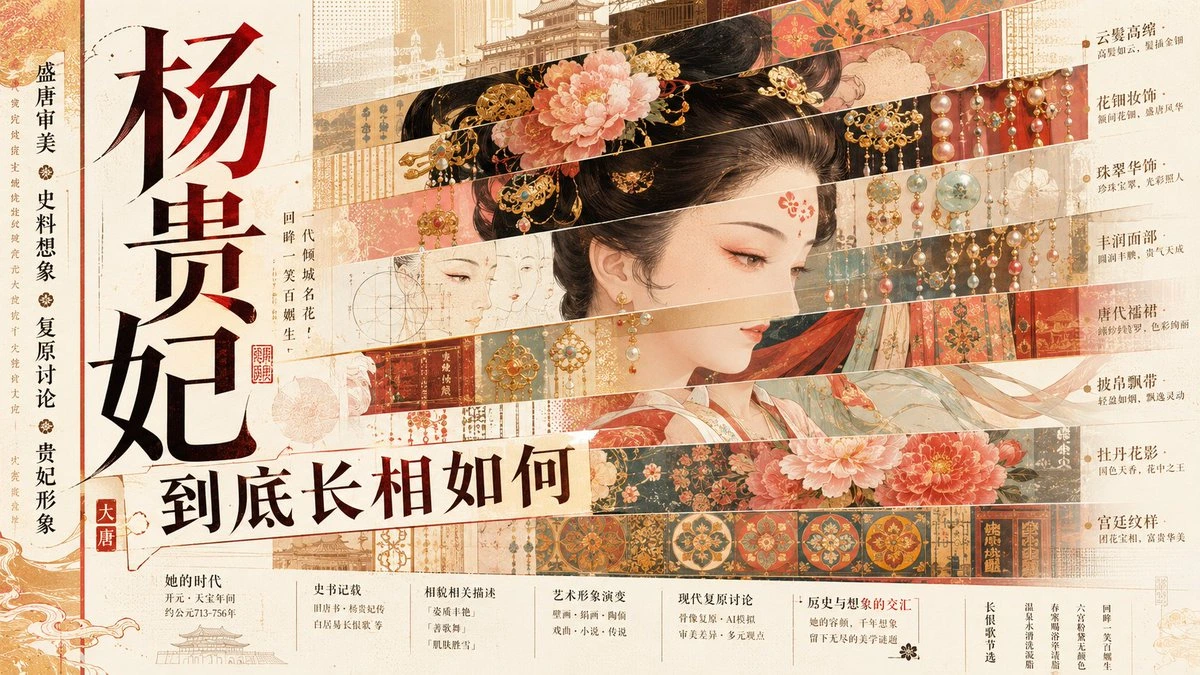
Complete AI image prompt
Make an oversized display headline the dominant visual mass, occupying more than half of the core information field and interlocking with the main imagery through deliberate occlusion, while a generous island of bright paper gives the letterforms room to strike. Build the subject as an editorial world split into horizontal and oblique ribbons of unequal width: each ribbon carries a different moment, scale, viewpoint, or density, all receding along a shared perspective and occasionally breaking across column boundaries. The eye should hit the monumental type first, meet the high-recognition thematic form, then travel through the layered bands into miniature archival detail. Hold the layout in asymmetric dynamic equilibrium, with headline and primary subject acting as paired anchors while rows of small pictures, compressed scenes, narrow captions, and marginal notes provide a dense distant counterweight. Let the theme determine whether the imagery is realistic collage, meticulous illustration, or a controlled hybrid; preserve recognizable silhouette closure through every slice and overlap, resolve foreground details sharply, and create expansive depth by repetition, scale diminution, flattening, and linear perspective. Turn the theme's meaning into an architectural information system: central symbols become the main form or ribbon nodes, related events become sequential fragments, and facts, numerals, short annotations, diagrams, seal-like marks, and fine connectors form the secondary archive. Align these modules to a disciplined editorial grid, then permit only one or two decisive violations where the giant lettering or primary image crosses multiple columns. Set the headline in orthographically valid, high-impact display lettering native to the chosen writing system, with compact proportions, forceful stroke contrast, crisply articulated sharp terminals or heavy squared turns; reduce subtitles and annotations abruptly into restrained fine serif or condensed forms, using an extreme scale jump to create authority. Generate all wording from the theme while preserving only its hierarchy, density, and labeling function. Derive the hues from the theme's historical temperature and material associations, yet keep the same area logic: a broad warm ivory paper field, deep ink-black or dark brown structure, one saturated principal accent, and sparse warm metallic notes. Restrict the accent to selected headline strokes, narrative bands, nodes, and key objects so it relays attention across the composition. Lay faint line drawings, plans, ornamental patterns, or archival contours into the background as a quiet knowledge map printed on uncoated stock. Above it, combine crisp contours, precise linework, flat ink shapes, and selectively realistic surfaces; allow gentle ink absorption and screened tonal transitions only within printed image layers, while the main lettering and focal forms remain dense and sharply edged. Keep small type, rules, scales, tags, and ornamental details exact and legible, producing a knowledge-rich, monumental, research-minded atmosphere fused with contemporary editorial control.
Original style prompt
Make an oversized display headline the dominant visual mass, occupying more than half of the core information field and interlocking with the main imagery through deliberate occlusion, while a generous island of bright paper gives the letterforms room to strike. Build the subject as an editorial world split into horizontal and oblique ribbons of unequal width: each ribbon carries a different moment, scale, viewpoint, or density, all receding along a shared perspective and occasionally breaking across column boundaries. The eye should hit the monumental type first, meet the high-recognition thematic form, then travel through the layered bands into miniature archival detail. Hold the layout in asymmetric dynamic equilibrium, with headline and primary subject acting as paired anchors while rows of small pictures, compressed scenes, narrow captions, and marginal notes provide a dense distant counterweight. Let the theme determine whether the imagery is realistic collage, meticulous illustration, or a controlled hybrid; preserve recognizable silhouette closure through every slice and overlap, resolve foreground details sharply, and create expansive depth by repetition, scale diminution, flattening, and linear perspective. Turn the theme's meaning into an architectural information system: central symbols become the main form or ribbon nodes, related events become sequential fragments, and facts, numerals, short annotations, diagrams, seal-like marks, and fine connectors form the secondary archive. Align these modules to a disciplined editorial grid, then permit only one or two decisive violations where the giant lettering or primary image crosses multiple columns. Set the headline in orthographically valid, high-impact display lettering native to the chosen writing system, with compact proportions, forceful stroke contrast, crisply articulated sharp terminals or heavy squared turns; reduce subtitles and annotations abruptly into restrained fine serif or condensed forms, using an extreme scale jump to create authority. Generate all wording from the theme while preserving only its hierarchy, density, and labeling function. Derive the hues from the theme's historical temperature and material associations, yet keep the same area logic: a broad warm ivory paper field, deep ink-black or dark brown structure, one saturated principal accent, and sparse warm metallic notes. Restrict the accent to selected headline strokes, narrative bands, nodes, and key objects so it relays attention across the composition. Lay faint line drawings, plans, ornamental patterns, or archival contours into the background as a quiet knowledge map printed on uncoated stock. Above it, combine crisp contours, precise linework, flat ink shapes, and selectively realistic surfaces; allow gentle ink absorption and screened tonal transitions only within printed image layers, while the main lettering and focal forms remain dense and sharply edged. Keep small type, rules, scales, tags, and ornamental details exact and legible, producing a knowledge-rich, monumental, research-minded atmosphere fused with contemporary editorial control.
More open images in the “Creator Covers & Editorial Images · Bright · 274” style