

Open prompts
sample 04 AI Image Prompt
sample 04, its complete AI image prompt, and the Presentations & Courseware · Bright · Minimal · 285 style are free to view and copy.
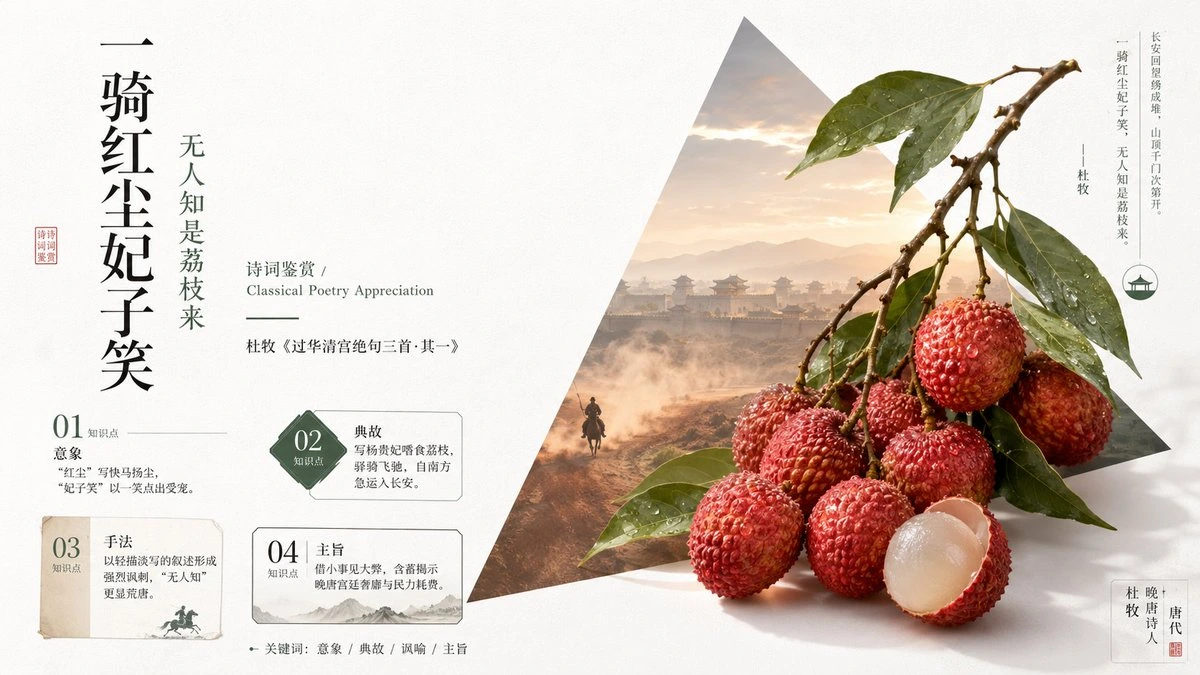
Complete AI image prompt
Build the first read around a crisp diagonal image aperture pressing against an expansive warm ivory information field, then let one theme-defining contour, branching extension, motion path, or cluster of attached forms physically cross the cut edge so the photographed world breaks into the editorial space. Maintain asymmetric dynamic equilibrium: the image mass and the typographic field counterbalance each other across generous emptiness, one dominant oblique axis leads from the display title into the environmental focal point, and the escaping subject returns the eye toward the supporting information. Allow the aperture to mutate within triangular, trapezoidal, or folded-corner geometry while preserving a single forceful diagonal, abundant open field, and one unmistakable boundary violation. Make subject semantics generate the central object, symbolism, attachments, narrative setting, and hues; give the scene legible foreground, middle distance, and atmospheric depth, with the crossing element carrying convincing occlusion, a strong scale shift, crisp extraction, and a soft contact shadow. Its form may range from a slender linear reach to a large close-up mass, but it must visibly connect the environmental image to the information field. Scatter only a few theme-derived fragments, marks, leaves, or directional traces through the open area as a sparse rhythm. Anchor the composition with oversized, vertically stacked Chinese display lettering based on a tall high-contrast Ming/Song structure: heavy upright strokes, fine horizontals, sharp wedge terminals, dignified counters, dense character grouping, and spacious line intervals in deep ink black. Reduce author lines, captions, numbered insights, keywords, and short explanatory copy into restrained editorial modules using hairline frames, narrow columns, circular numerals, capsule tags, baseline rules, and occasional small seal-like marks; maintain a dramatic scale drop and exact optical alignment. Any additional writing system must remain orthographically valid while matching the same optical weight, stroke tension, and airy tracking. Let theme semantics choose the chromatic family while preserving the role ratio: ivory dominates, black and charcoal carry structure, the environment stays low-chroma and airy, and only the focal subject plus one or two tiny markers receive warmer or richer accents. Use soft natural illumination, transparent tonal depth, reduced distant contrast, finely resolved near details, restrained highlights, and believable material response. Finish as refined contemporary East Asian cultural editorial design on an even tactile paper field with lucid photographic layering and precise edges; quiet line icons, mountain-like emblems, seals, or equivalent theme-derived symbols may echo the content at subordinate scale. Every element must reinforce the hierarchy of open field, diagonal aperture, escaping focal form, and typographic anchor, leaving the boundary-crossing action spatially consequential and the information rhythm disciplined.
Original style prompt
Build the first read around a crisp diagonal image aperture pressing against an expansive warm ivory information field, then let one theme-defining contour, branching extension, motion path, or cluster of attached forms physically cross the cut edge so the photographed world breaks into the editorial space. Maintain asymmetric dynamic equilibrium: the image mass and the typographic field counterbalance each other across generous emptiness, one dominant oblique axis leads from the display title into the environmental focal point, and the escaping subject returns the eye toward the supporting information. Allow the aperture to mutate within triangular, trapezoidal, or folded-corner geometry while preserving a single forceful diagonal, abundant open field, and one unmistakable boundary violation. Make subject semantics generate the central object, symbolism, attachments, narrative setting, and hues; give the scene legible foreground, middle distance, and atmospheric depth, with the crossing element carrying convincing occlusion, a strong scale shift, crisp extraction, and a soft contact shadow. Its form may range from a slender linear reach to a large close-up mass, but it must visibly connect the environmental image to the information field. Scatter only a few theme-derived fragments, marks, leaves, or directional traces through the open area as a sparse rhythm. Anchor the composition with oversized, vertically stacked Chinese display lettering based on a tall high-contrast Ming/Song structure: heavy upright strokes, fine horizontals, sharp wedge terminals, dignified counters, dense character grouping, and spacious line intervals in deep ink black. Reduce author lines, captions, numbered insights, keywords, and short explanatory copy into restrained editorial modules using hairline frames, narrow columns, circular numerals, capsule tags, baseline rules, and occasional small seal-like marks; maintain a dramatic scale drop and exact optical alignment. Any additional writing system must remain orthographically valid while matching the same optical weight, stroke tension, and airy tracking. Let theme semantics choose the chromatic family while preserving the role ratio: ivory dominates, black and charcoal carry structure, the environment stays low-chroma and airy, and only the focal subject plus one or two tiny markers receive warmer or richer accents. Use soft natural illumination, transparent tonal depth, reduced distant contrast, finely resolved near details, restrained highlights, and believable material response. Finish as refined contemporary East Asian cultural editorial design on an even tactile paper field with lucid photographic layering and precise edges; quiet line icons, mountain-like emblems, seals, or equivalent theme-derived symbols may echo the content at subordinate scale. Every element must reinforce the hierarchy of open field, diagonal aperture, escaping focal form, and typographic anchor, leaving the boundary-crossing action spatially consequential and the information rhythm disciplined.
More open images in the “Presentations & Courseware · Bright · Minimal · 285” style