
Open prompts
sample 04 AI Image Prompt
sample 04, its complete AI image prompt, and the Infographics & Visual Guides · Line Art · Vector · 144 style are free to view and copy.
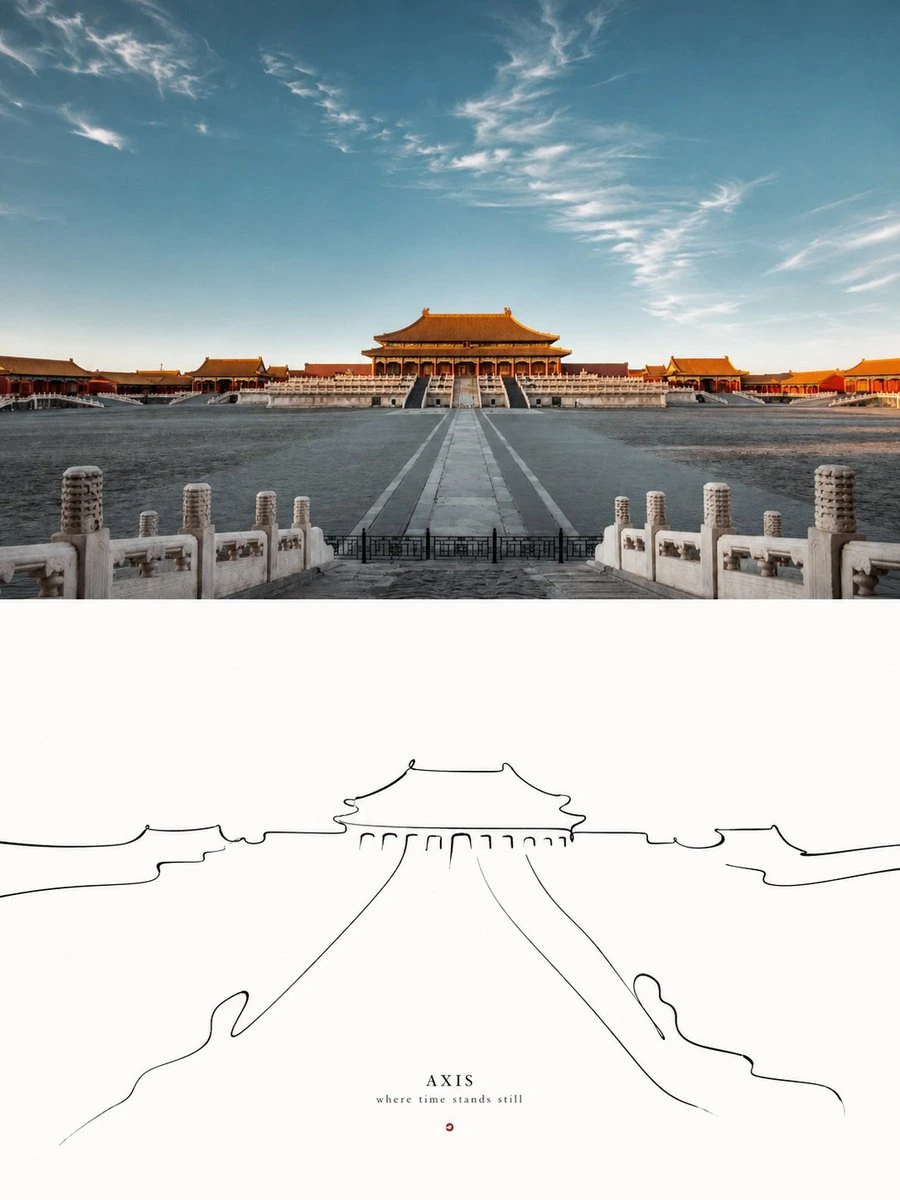
Complete AI image prompt
Build a two-tier image in which a fully realized depiction of the subject is answered by its abstract linear echo. Let the upper field read as an expansive, immersive scene that establishes the subject, environment, scale, emotion, credible materials, natural light, and spatial depth through one clear focal event and restrained storytelling. Shift below into a generous warm-white paper field where the same content is reduced to its recognizable contour skeleton, directional energy, and symbolic relationships, turning observation into a conceptual record. Calibrate both fields through a shared axis, gaze, route, or gesture: the linear version should preserve the dominant form’s optical weight and mass hierarchy while a sudden drop in density and abundant negative space create a firm real-to-abstract rhythm. Use a clean, straight division so each field is self-contained yet the pair reads as one act of seeing and distillation. Choose one of two closely related drawing modes according to the subject’s logic. For lyrical content, use a single fine charcoal-black line with nearly uniform weight and a lightly gestural cadence; allow continuous wandering, loops, extensions, selective breaks, and perceptual closure, absorbing theme-derived boundaries and paths into the same stroke. For analytical content, use one warm accent ink to reconstruct the main form through hairline engineering marks, dense parallel hatching, cross-sections, concentric arcs, measurement axes, and transparent construction frames. In either mode, retain only the structures that carry recognition, proportion, posture, and scale; concentrate detail inside the main subject, then taper peripheral marks into open paper. Let the subject determine the palette: maintain a natural, controlled full color range above, while below remains overwhelmingly warm white with either charcoal or one theme-derived warm line color. Add only one vermilion or orange-red dot or short rule as a visual full stop, remotely echoing one consequential color in the upper image. Typography functions as a quiet editorial index: a very short title, number, time code, or single hushed note, set in a narrow uppercase sans serif or restrained high-contrast serif; supporting text is much smaller, widely tracked, and placed as sparse marginal metadata. Preserve valid letter anatomy and script recognition, keeping all text subordinate to linework and emptiness and deriving its content from the subject’s emotional keyword and information hierarchy. Finish the paper as an even matte field with crisp, delicate marks, while the photographic and drawn layers retain distinct material identities; the total effect is contemplative, museum-archival, and precisely contemporary.
Original style prompt
Build a two-tier image in which a fully realized depiction of the subject is answered by its abstract linear echo. Let the upper field read as an expansive, immersive scene that establishes the subject, environment, scale, emotion, credible materials, natural light, and spatial depth through one clear focal event and restrained storytelling. Shift below into a generous warm-white paper field where the same content is reduced to its recognizable contour skeleton, directional energy, and symbolic relationships, turning observation into a conceptual record. Calibrate both fields through a shared axis, gaze, route, or gesture: the linear version should preserve the dominant form’s optical weight and mass hierarchy while a sudden drop in density and abundant negative space create a firm real-to-abstract rhythm. Use a clean, straight division so each field is self-contained yet the pair reads as one act of seeing and distillation. Choose one of two closely related drawing modes according to the subject’s logic. For lyrical content, use a single fine charcoal-black line with nearly uniform weight and a lightly gestural cadence; allow continuous wandering, loops, extensions, selective breaks, and perceptual closure, absorbing theme-derived boundaries and paths into the same stroke. For analytical content, use one warm accent ink to reconstruct the main form through hairline engineering marks, dense parallel hatching, cross-sections, concentric arcs, measurement axes, and transparent construction frames. In either mode, retain only the structures that carry recognition, proportion, posture, and scale; concentrate detail inside the main subject, then taper peripheral marks into open paper. Let the subject determine the palette: maintain a natural, controlled full color range above, while below remains overwhelmingly warm white with either charcoal or one theme-derived warm line color. Add only one vermilion or orange-red dot or short rule as a visual full stop, remotely echoing one consequential color in the upper image. Typography functions as a quiet editorial index: a very short title, number, time code, or single hushed note, set in a narrow uppercase sans serif or restrained high-contrast serif; supporting text is much smaller, widely tracked, and placed as sparse marginal metadata. Preserve valid letter anatomy and script recognition, keeping all text subordinate to linework and emptiness and deriving its content from the subject’s emotional keyword and information hierarchy. Finish the paper as an even matte field with crisp, delicate marks, while the photographic and drawn layers retain distinct material identities; the total effect is contemplative, museum-archival, and precisely contemporary.
More open images in the “Infographics & Visual Guides · Line Art · Vector · 144” style