

Open prompts
sample 04 AI Image Prompt
sample 04, its complete AI image prompt, and the Typography & Posters · Paper Texture · Dark Tones · 219 style are free to view and copy.
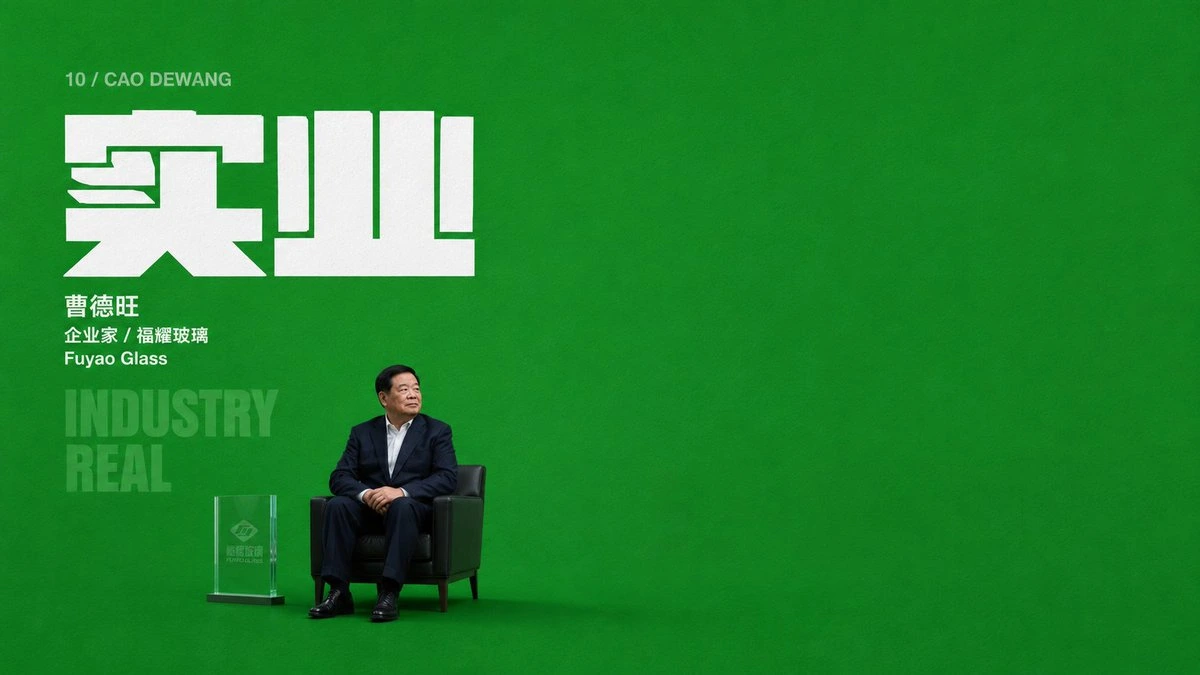
Complete AI image prompt
Make an oversized thematic declaration the dominant visual mass. Draw the primary lettering for its intended writing system as an ultra-bold, tightly compressed display construction with heavy rectilinear strokes, narrow but legible counters, and near-square glyph proportions; lock the words together like architectural slabs, using selective stroke extensions, shared edges, interlocking offsets, or black rectangular carriers so the lettering acts simultaneously as message, frame, and graphic silhouette. Build asymmetrical equilibrium through an extreme scale jump: the declaration outweighs every other element, while a much smaller photographic subject or symbolic carrier enters beneath it, beside it, or across a color-field boundary. Derive that subject's pose, clothing, props, attached marks, and narrative cues from the subject matter, then let overlap, cropping, or a controlled grid violation bind it to the type. Direct the reading path from the giant statement through the subject's gaze or gesture and into a sparse information tier. Concentrate this dense type-image assembly within one side or one visual core and counterbalance it with a broad, active field of emptiness; keep the outer margins generous, allowing only the main letter block, a thematic rectangle, or the subject crop to approach an edge with deliberate pressure. Use a strict three-role palette of black, bright white, and one highly saturated theme-derived hue. Let that hue occupy either a broad, even ground or a large geometric field; assign black to the subject, text carriers, and heaviest structure, and white to the declaration. On a white ground, the accent hue may instead form the major rectangle and compact punctuation-like marks, while the single-accent discipline, clear value separation, and unequal color-area balance remain intact. Render the subject as crisp high-contrast monochrome photography or realistic photography lightly contaminated by the colored environment, preserving precise facial and material detail, decisive cutout edges, and only a soft contact shadow for grounding against a smooth matte field. Reduce supporting copy to a few short lines in a condensed sans serif or neutral Gothic/Hei construction, creating a dramatic contrast of scale and density with the display lettering; organize identifiers, names, roles, short statements, thin rules, and small symbols through wide tracking and exact alignment. Keep the overall voice direct, authoritative, and contemporary, with orthographically valid lettering and a single interlocked event formed by type, color blocks, photographic subject, and purposeful empty space.
Original style prompt
Make an oversized thematic declaration the dominant visual mass. Draw the primary lettering for its intended writing system as an ultra-bold, tightly compressed display construction with heavy rectilinear strokes, narrow but legible counters, and near-square glyph proportions; lock the words together like architectural slabs, using selective stroke extensions, shared edges, interlocking offsets, or black rectangular carriers so the lettering acts simultaneously as message, frame, and graphic silhouette. Build asymmetrical equilibrium through an extreme scale jump: the declaration outweighs every other element, while a much smaller photographic subject or symbolic carrier enters beneath it, beside it, or across a color-field boundary. Derive that subject's pose, clothing, props, attached marks, and narrative cues from the subject matter, then let overlap, cropping, or a controlled grid violation bind it to the type. Direct the reading path from the giant statement through the subject's gaze or gesture and into a sparse information tier. Concentrate this dense type-image assembly within one side or one visual core and counterbalance it with a broad, active field of emptiness; keep the outer margins generous, allowing only the main letter block, a thematic rectangle, or the subject crop to approach an edge with deliberate pressure. Use a strict three-role palette of black, bright white, and one highly saturated theme-derived hue. Let that hue occupy either a broad, even ground or a large geometric field; assign black to the subject, text carriers, and heaviest structure, and white to the declaration. On a white ground, the accent hue may instead form the major rectangle and compact punctuation-like marks, while the single-accent discipline, clear value separation, and unequal color-area balance remain intact. Render the subject as crisp high-contrast monochrome photography or realistic photography lightly contaminated by the colored environment, preserving precise facial and material detail, decisive cutout edges, and only a soft contact shadow for grounding against a smooth matte field. Reduce supporting copy to a few short lines in a condensed sans serif or neutral Gothic/Hei construction, creating a dramatic contrast of scale and density with the display lettering; organize identifiers, names, roles, short statements, thin rules, and small symbols through wide tracking and exact alignment. Keep the overall voice direct, authoritative, and contemporary, with orthographically valid lettering and a single interlocked event formed by type, color blocks, photographic subject, and purposeful empty space.
More open images in the “Typography & Posters · Paper Texture · Dark Tones · 219” style