

Open prompts
sample 04 AI Image Prompt
sample 04, its complete AI image prompt, and the Photo Restyling · Paper Texture · Bright · 200 style are free to view and copy.
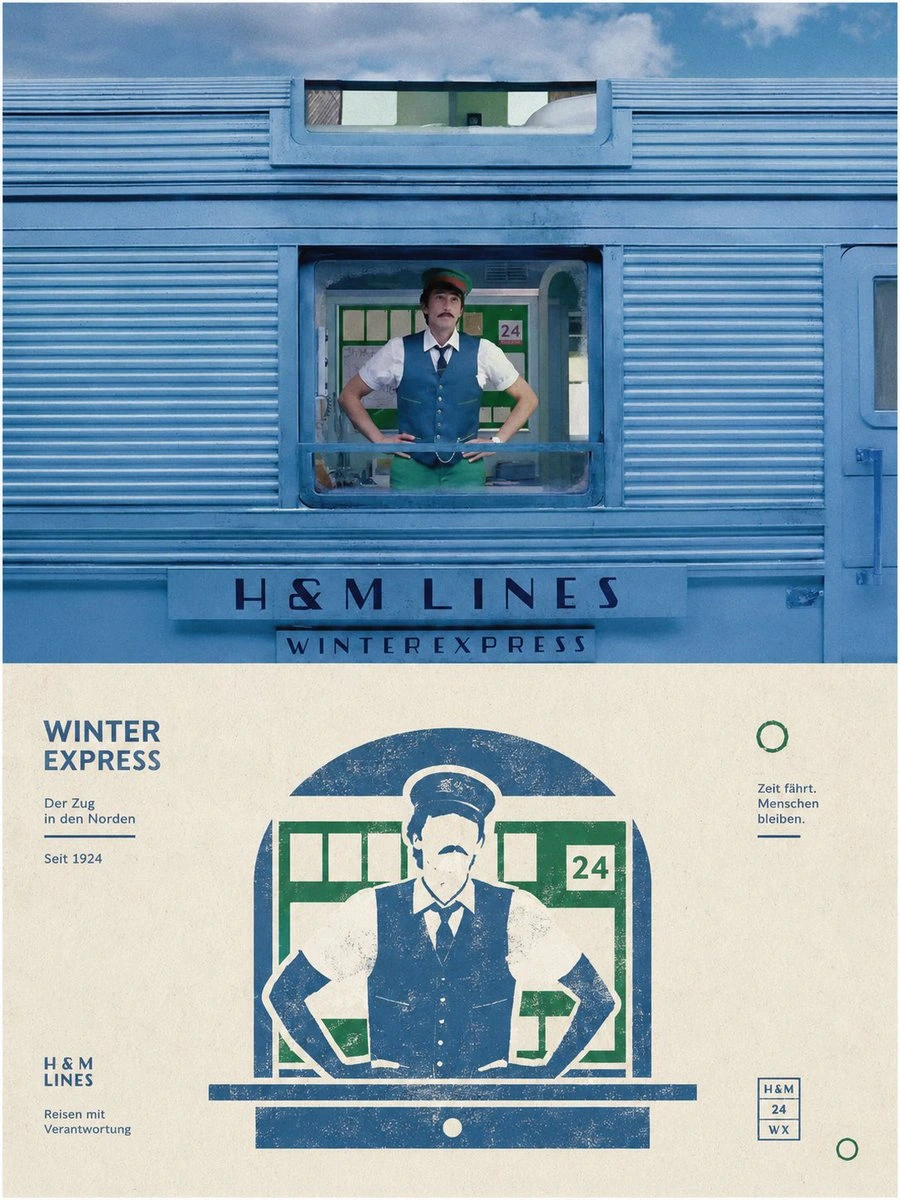
Complete AI image prompt
Build a two-register interpretation of one theme across adjoining upper and lower fields. Let a large full-bleed photograph carry the situational and emotional evidence, then recode that same meaning below as a highly recognizable graphic statement on warm ivory paper; the clean horizontal junction should make observed reality and designed idea read as one quiet, decisive comparison. Give the photographic field slightly more than half of the visual weight, using a stable frontal or gently elevated viewpoint, a clearly legible subject within its environment, natural light, restrained depth of field, and one governing color temperature. Allow the scene and viewpoint to follow the theme while preserving enough context and breathing room for its place, action, object, or atmosphere to become the semantic and chromatic source of the lower field. Organize the graphic field with an implied axis, fine construction grid, or broad circular arc. A dominant mark should greatly outweigh the caption layer; generous intervals separate it from marginal copy and tiny index-like notes, creating a reading sequence from symbol to title to sparse metadata. Counterbalance the main mass with one off-axis dot, hairline, or compact color block. Choose one abstraction mode according to semantic density: for narrative-rich material, reduce the essential silhouette, action, or structure to a recognizable two- or three-ink relief-print image with decisive negative shapes; for a compact identity idea, merge the thematic contour into valid glyph strokes, counters, joins, or shared ligatures so word and image resolve as a single emblem. In either mode, retain one central metaphor and derive a dominant ink, a support ink, and a small accent from the photograph, balancing dark structure, muted midtone, and a vivid circular signal through unequal color areas. In the print mode, use absorbent stock and flat pressure printing so fine paper fibers show through inside solid ink and the pressed edges break slightly, while the surrounding ivory field remains even and intact; in the word-image mode, use clean solid fills, crisp contours, and exact counterforms. Construct the display lettering for the target writing system with strong orthographic recognition, using either slender high-contrast strokes or a condensed monoline skeleton, then tune weight shifts, open-to-tight spacing, and native reading direction to the theme. Keep supporting type very small, widely tracked, and peripheral like archival notation. Limit the graphic field to ivory plus two or three theme-derived spot colors while the photographic field remains optically rich and credible; at first glance, the lived scene and its encoded sign must be visibly bound by shared meaning, palette origin, and optical center.
Original style prompt
Build a two-register interpretation of one theme across adjoining upper and lower fields. Let a large full-bleed photograph carry the situational and emotional evidence, then recode that same meaning below as a highly recognizable graphic statement on warm ivory paper; the clean horizontal junction should make observed reality and designed idea read as one quiet, decisive comparison. Give the photographic field slightly more than half of the visual weight, using a stable frontal or gently elevated viewpoint, a clearly legible subject within its environment, natural light, restrained depth of field, and one governing color temperature. Allow the scene and viewpoint to follow the theme while preserving enough context and breathing room for its place, action, object, or atmosphere to become the semantic and chromatic source of the lower field. Organize the graphic field with an implied axis, fine construction grid, or broad circular arc. A dominant mark should greatly outweigh the caption layer; generous intervals separate it from marginal copy and tiny index-like notes, creating a reading sequence from symbol to title to sparse metadata. Counterbalance the main mass with one off-axis dot, hairline, or compact color block. Choose one abstraction mode according to semantic density: for narrative-rich material, reduce the essential silhouette, action, or structure to a recognizable two- or three-ink relief-print image with decisive negative shapes; for a compact identity idea, merge the thematic contour into valid glyph strokes, counters, joins, or shared ligatures so word and image resolve as a single emblem. In either mode, retain one central metaphor and derive a dominant ink, a support ink, and a small accent from the photograph, balancing dark structure, muted midtone, and a vivid circular signal through unequal color areas. In the print mode, use absorbent stock and flat pressure printing so fine paper fibers show through inside solid ink and the pressed edges break slightly, while the surrounding ivory field remains even and intact; in the word-image mode, use clean solid fills, crisp contours, and exact counterforms. Construct the display lettering for the target writing system with strong orthographic recognition, using either slender high-contrast strokes or a condensed monoline skeleton, then tune weight shifts, open-to-tight spacing, and native reading direction to the theme. Keep supporting type very small, widely tracked, and peripheral like archival notation. Limit the graphic field to ivory plus two or three theme-derived spot colors while the photographic field remains optically rich and credible; at first glance, the lived scene and its encoded sign must be visibly bound by shared meaning, palette origin, and optical center.
More open images in the “Photo Restyling · Paper Texture · Bright · 200” style