

Open prompts
sample 04 AI Image Prompt
sample 04, its complete AI image prompt, and the Photography & Cinematic Styles · Batch · 120 style are free to view and copy.
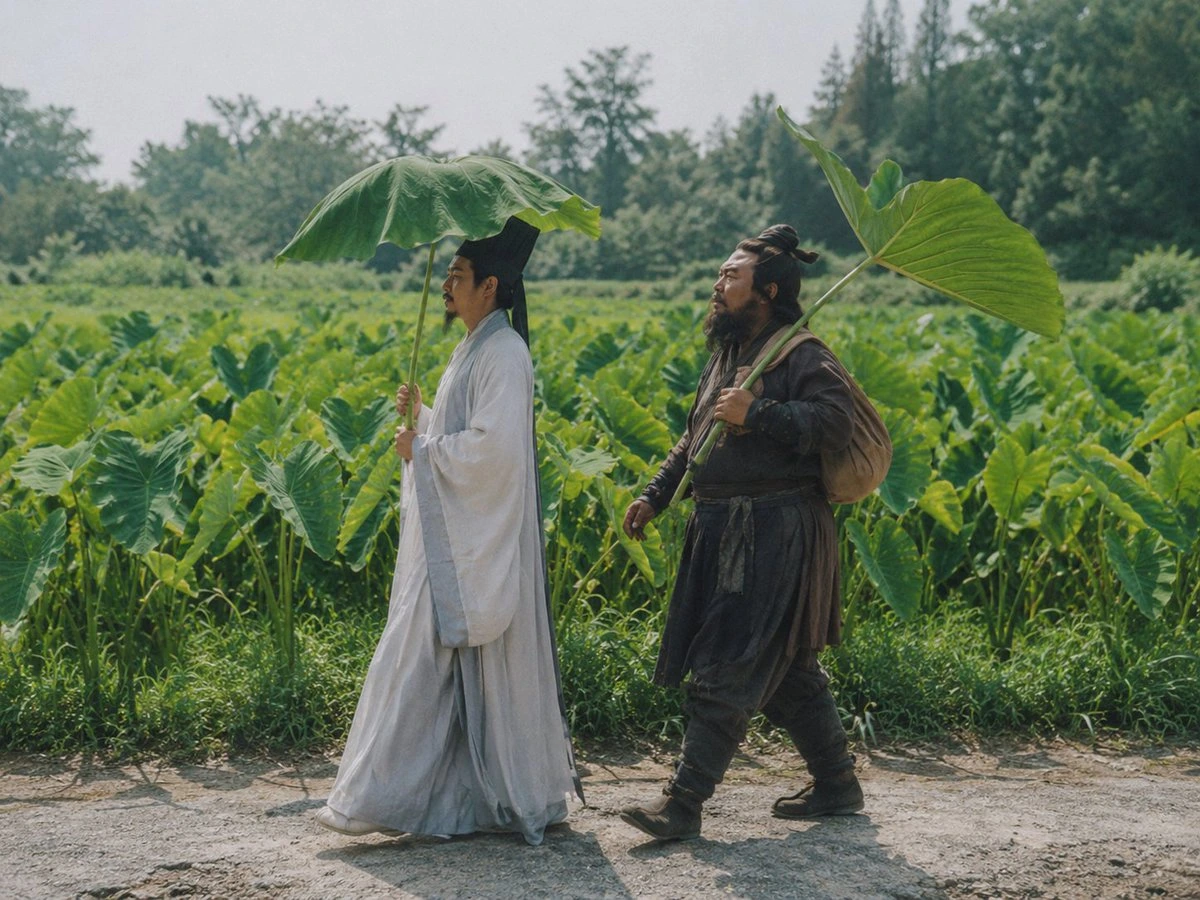
Complete AI image prompt
Stage the subject as an incidental journey already in progress, carried by two complementary figures or, within a narrow range, a compact ensemble. Contrast a tall, composed, immaculate and contemplative presence with a heavier, rugged, kinetic companion whose solemn manner carries plainspoken humor. Derive every silhouette, garment, tool, carried object and symbolic prop from the subject’s meanings and material associations, using credible differences in mass, posture and expression to establish the narrative at first glance. Keep the figures engaged with a minor task—walking, sitting, pausing, watching or handling something practical—rather than presenting themselves; offset their eyelines and arrest each gesture just before the anecdote resolves, so comedy emerges from grave expressions meeting ordinary behavior. Build the frame like an observational cinema still in dynamic equilibrium: the close-knit, clearly legible figure group forms the moderate primary mass while an expansive, quiet, authentic environment balances it across distance. Let a path, shoreline, planted rhythm, terrain seam or subject-derived environmental continuum lead the eye into the group and release it into depth. Vary scale only between an intimate medium view and an environment-dominant extreme wide view; in closer views, let foliage, rock, ground or thematic material press naturally against the frame edges, while wide views reduce the figures through scale and atmospheric perspective but preserve them as recognizable story anchors. Construct the background as a tangible location, with repeated vegetation, landforms, architecture or subject-native environmental units creating depth and cadence, while tonal separation keeps costumes and props readable against dense surroundings. Give most of the image to low-to-moderate-chroma colors drawn from the setting; distinguish the paired roles through light-versus-dark or pristine-versus-earthy values, then reserve one small, clean, saturated prop color as a rhythmic accent when the subject supports it. Use gently directional daylight, open shadows, gradual highlight rolloff and progressively compressed distance contrast. Render photochemical cinematic color with a fine, continuous silver-halide tonal structure across the film image; preserve material-specific diffuse response and plausible handling on cloth, leather, wood, stone and foliage, with natural contours and unembellished detail. The final mood is historically grounded, pastoral and lucid, with deadpan comic warmth held inside believable lived space.
Original style prompt
Stage the subject as an incidental journey already in progress, carried by two complementary figures or, within a narrow range, a compact ensemble. Contrast a tall, composed, immaculate and contemplative presence with a heavier, rugged, kinetic companion whose solemn manner carries plainspoken humor. Derive every silhouette, garment, tool, carried object and symbolic prop from the subject’s meanings and material associations, using credible differences in mass, posture and expression to establish the narrative at first glance. Keep the figures engaged with a minor task—walking, sitting, pausing, watching or handling something practical—rather than presenting themselves; offset their eyelines and arrest each gesture just before the anecdote resolves, so comedy emerges from grave expressions meeting ordinary behavior. Build the frame like an observational cinema still in dynamic equilibrium: the close-knit, clearly legible figure group forms the moderate primary mass while an expansive, quiet, authentic environment balances it across distance. Let a path, shoreline, planted rhythm, terrain seam or subject-derived environmental continuum lead the eye into the group and release it into depth. Vary scale only between an intimate medium view and an environment-dominant extreme wide view; in closer views, let foliage, rock, ground or thematic material press naturally against the frame edges, while wide views reduce the figures through scale and atmospheric perspective but preserve them as recognizable story anchors. Construct the background as a tangible location, with repeated vegetation, landforms, architecture or subject-native environmental units creating depth and cadence, while tonal separation keeps costumes and props readable against dense surroundings. Give most of the image to low-to-moderate-chroma colors drawn from the setting; distinguish the paired roles through light-versus-dark or pristine-versus-earthy values, then reserve one small, clean, saturated prop color as a rhythmic accent when the subject supports it. Use gently directional daylight, open shadows, gradual highlight rolloff and progressively compressed distance contrast. Render photochemical cinematic color with a fine, continuous silver-halide tonal structure across the film image; preserve material-specific diffuse response and plausible handling on cloth, leather, wood, stone and foliage, with natural contours and unembellished detail. The final mood is historically grounded, pastoral and lucid, with deadpan comic warmth held inside believable lived space.
More open images in the “Photography & Cinematic Styles · Batch · 120” style