

Open prompts
sample 04 AI Image Prompt
sample 04, its complete AI image prompt, and the Illustration & Visual Styles · Line Art · Vector · 018 style are free to view and copy.
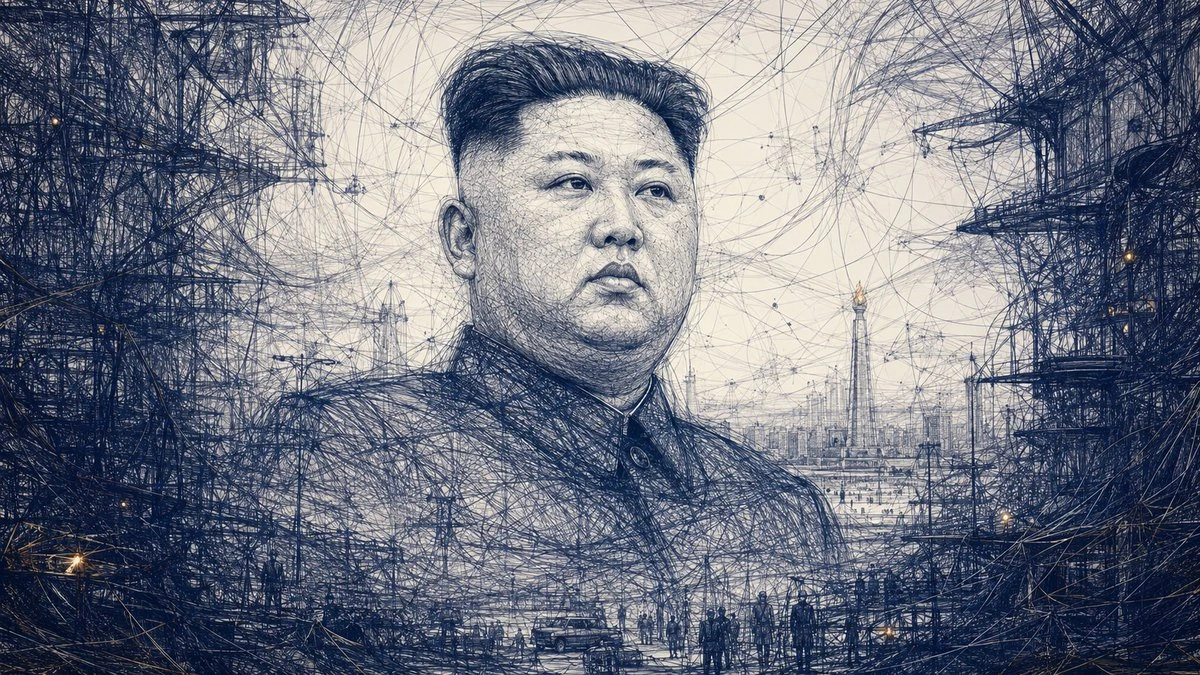
Complete AI image prompt
Build the theme’s primary form out of one continuous network of extremely fine hand-drawn lines, using the same linear vocabulary for contour, structure, shadow, setting, and narrative traces: up close, countless wandering, crossing, looping pen strokes remain visible; at viewing distance, they resolve into a precise, unmistakable subject and a coherent world. Give one highly recognizable central mass decisive dominance over every supporting element. Keep the subject’s face, defining structure, or semantic core comparatively open, bright, and sparsely drawn, then increase line density outward until the peripheral environment becomes a deep woven frame, producing a clear figure-ground transition from luminous recognition zone to compressed edges. Organize the space around a strong axis or stable optical center. Catch the eye with the main form, then lead it into depth through theme-derived paths, steps, structural contours, terrain flows, or other directional lines; balance unequal dark line masses on both sides, crop them at the boundary, and let selected strokes continue beyond the frame while a central corridor of paper light remains breathable. Establish scale through a steady diminution from monumental carrier to small figures, artifacts, signs, and distant structures. Let the theme determine the silhouette, symbolic attachments, environmental construction, and narrative activity; supporting details must grow from its meaning and repeat at small scale to imply an inhabited system rather than isolated decoration. Keep line behavior within two related registers: controlled architectural contours and economical short hatching across the information core, then multidirectional long strokes, crosshatching, and looping arcs accumulated around it, with value created by density instead of broad filled shapes. Lines become finer, paler, and lower in contrast with distance. Use a bright paper field and one dominant ink family chosen from theme-responsive cool indigo through warm umber; reserve only a few tiny amber lights for meaningful nodes deep in the scene. Maintain an even matte paper surface, intact paper luminosity, needle-fine crisp ink edges, and subtle hand-drawn changes of speed and spacing. If lettering is needed, treat it as a small editorial information layer with generous tracking, a sharp scale jump from the image, and alignment governed by the main axis. The result combines the legibility of meticulous drafting, the spatial tension of a storm of lines, and a solemn, quiet focal presence emerging from complexity.
Original style prompt
Build the theme’s primary form out of one continuous network of extremely fine hand-drawn lines, using the same linear vocabulary for contour, structure, shadow, setting, and narrative traces: up close, countless wandering, crossing, looping pen strokes remain visible; at viewing distance, they resolve into a precise, unmistakable subject and a coherent world. Give one highly recognizable central mass decisive dominance over every supporting element. Keep the subject’s face, defining structure, or semantic core comparatively open, bright, and sparsely drawn, then increase line density outward until the peripheral environment becomes a deep woven frame, producing a clear figure-ground transition from luminous recognition zone to compressed edges. Organize the space around a strong axis or stable optical center. Catch the eye with the main form, then lead it into depth through theme-derived paths, steps, structural contours, terrain flows, or other directional lines; balance unequal dark line masses on both sides, crop them at the boundary, and let selected strokes continue beyond the frame while a central corridor of paper light remains breathable. Establish scale through a steady diminution from monumental carrier to small figures, artifacts, signs, and distant structures. Let the theme determine the silhouette, symbolic attachments, environmental construction, and narrative activity; supporting details must grow from its meaning and repeat at small scale to imply an inhabited system rather than isolated decoration. Keep line behavior within two related registers: controlled architectural contours and economical short hatching across the information core, then multidirectional long strokes, crosshatching, and looping arcs accumulated around it, with value created by density instead of broad filled shapes. Lines become finer, paler, and lower in contrast with distance. Use a bright paper field and one dominant ink family chosen from theme-responsive cool indigo through warm umber; reserve only a few tiny amber lights for meaningful nodes deep in the scene. Maintain an even matte paper surface, intact paper luminosity, needle-fine crisp ink edges, and subtle hand-drawn changes of speed and spacing. If lettering is needed, treat it as a small editorial information layer with generous tracking, a sharp scale jump from the image, and alignment governed by the main axis. The result combines the legibility of meticulous drafting, the spatial tension of a storm of lines, and a solemn, quiet focal presence emerging from complexity.
More open images in the “Illustration & Visual Styles · Line Art · Vector · 018” style