

Open prompts
sample 04 AI Image Prompt
sample 04, its complete AI image prompt, and the Typography & Posters · Dark Tones · Bright · 263 style are free to view and copy.
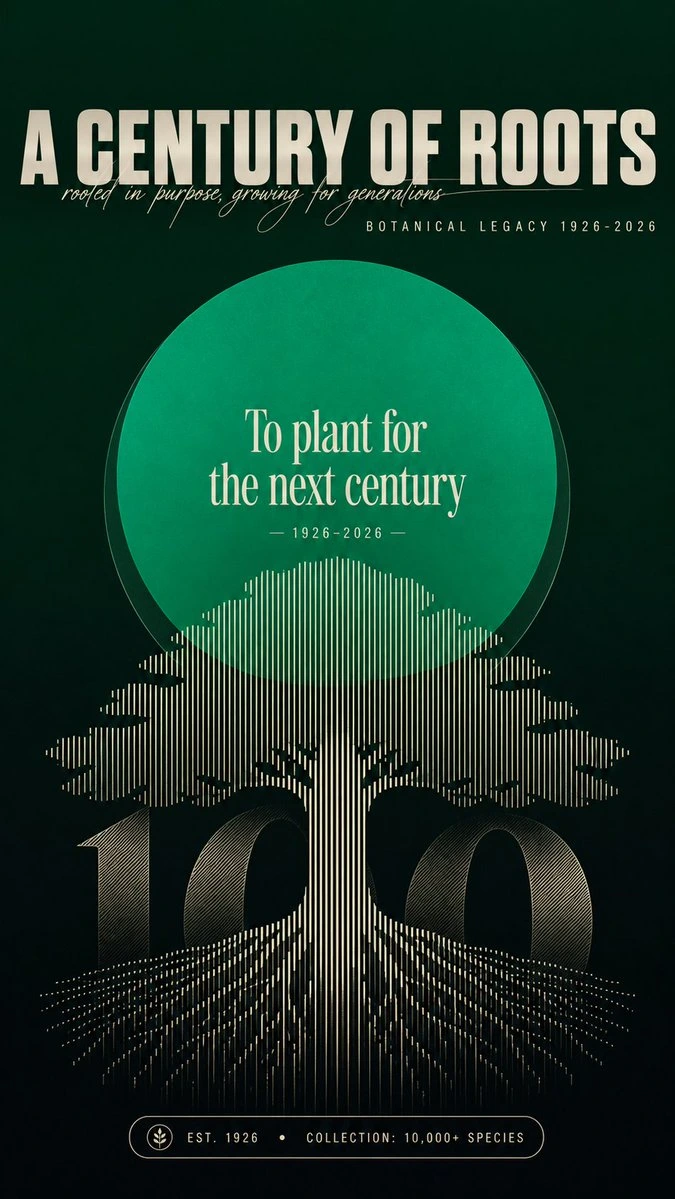
Complete AI image prompt
Build the subject’s defining symbolic form out of a dense field of hairline parallel strokes running through the entire composition. Anchor everything to a ceremonial central axis: gather the strokes tightly through the core, fan them upward and downward, and vary their termination, spacing, length, and contour envelope so they simultaneously describe a clearly recognizable theme-derived silhouette, structural tension, and an outward-growing rhythm. Let selected contours close through figure-ground exchange with the near-black field, making the symbol rise like a monument from the information layers. Use three decisive scale jumps: a broad compressed headline block at the top, one large high-chroma circular color field as the central pause and emotional light source, and a linear subject emblem crossing enormous low-contrast commemorative numerals below. Bind all three to the same axis and overlap them into a single reading sequence from declaration to symbol to historical scale, surrounded by restrained dark breathing space and balanced by a fine information capsule along the lower edge. Derive one vivid circle hue from the subject’s emotional temperature and material associations; add two or three flat, darker same-hue offsets behind it, with crisp contours. Set two or three lines of high-contrast serif display copy and a minute date line inside the circle, then allow the foreground strokes to pass through it so color, lettering, and emblem share one structure. Construct the headline with extremely tall, narrow, heavy, low-contrast sans-serif display forms, nearly full-width with compressed line spacing. Sweep a thin connected handwritten script across its lower edge or through the letterforms as a soft diagonal counter-rhythm. Render supporting text in tiny, widely tracked capitals, or the anatomically valid equivalent in the requested writing system, preserving clear orthographic recognition while creating dense-airy, rigid-fluid, and large-small contrasts. Treat the giant date as a dark architectural mass spanning much of the lower field: use broad serif or heavy numerals filled with very fine diagonal hatching, only slightly lighter than the background, perceived first as temporal weight and read second as information. Overlay it with warm-white or muted metallic-light subject strokes, keeping every crossing and stroke order legible. Enclose the final metadata in a thin round-corner capsule, separating short items with dots, hairline dividers, and small theme-derived linear symbols. Use a deep theme-tinted near-black matte field with a gentle same-hue luminosity spread above; reserve peak brightness for the circle and line-built emblem. Keep color planes continuous, hairlines fine and even, hatch density controlled, and edges crisp. The theme may replace the symbolic contour, key hue, copy, dates, and information icons, while the signature event remains invariant: luminous disc as counterweight, parallel strokes becoming the subject, shadowed monumental numerals, and several contrasting typographic voices locked into one solemn, modern archival system.
Original style prompt
Build the subject’s defining symbolic form out of a dense field of hairline parallel strokes running through the entire composition. Anchor everything to a ceremonial central axis: gather the strokes tightly through the core, fan them upward and downward, and vary their termination, spacing, length, and contour envelope so they simultaneously describe a clearly recognizable theme-derived silhouette, structural tension, and an outward-growing rhythm. Let selected contours close through figure-ground exchange with the near-black field, making the symbol rise like a monument from the information layers. Use three decisive scale jumps: a broad compressed headline block at the top, one large high-chroma circular color field as the central pause and emotional light source, and a linear subject emblem crossing enormous low-contrast commemorative numerals below. Bind all three to the same axis and overlap them into a single reading sequence from declaration to symbol to historical scale, surrounded by restrained dark breathing space and balanced by a fine information capsule along the lower edge. Derive one vivid circle hue from the subject’s emotional temperature and material associations; add two or three flat, darker same-hue offsets behind it, with crisp contours. Set two or three lines of high-contrast serif display copy and a minute date line inside the circle, then allow the foreground strokes to pass through it so color, lettering, and emblem share one structure. Construct the headline with extremely tall, narrow, heavy, low-contrast sans-serif display forms, nearly full-width with compressed line spacing. Sweep a thin connected handwritten script across its lower edge or through the letterforms as a soft diagonal counter-rhythm. Render supporting text in tiny, widely tracked capitals, or the anatomically valid equivalent in the requested writing system, preserving clear orthographic recognition while creating dense-airy, rigid-fluid, and large-small contrasts. Treat the giant date as a dark architectural mass spanning much of the lower field: use broad serif or heavy numerals filled with very fine diagonal hatching, only slightly lighter than the background, perceived first as temporal weight and read second as information. Overlay it with warm-white or muted metallic-light subject strokes, keeping every crossing and stroke order legible. Enclose the final metadata in a thin round-corner capsule, separating short items with dots, hairline dividers, and small theme-derived linear symbols. Use a deep theme-tinted near-black matte field with a gentle same-hue luminosity spread above; reserve peak brightness for the circle and line-built emblem. Keep color planes continuous, hairlines fine and even, hatch density controlled, and edges crisp. The theme may replace the symbolic contour, key hue, copy, dates, and information icons, while the signature event remains invariant: luminous disc as counterweight, parallel strokes becoming the subject, shadowed monumental numerals, and several contrasting typographic voices locked into one solemn, modern archival system.
More open images in the “Typography & Posters · Dark Tones · Bright · 263” style