
Open prompts
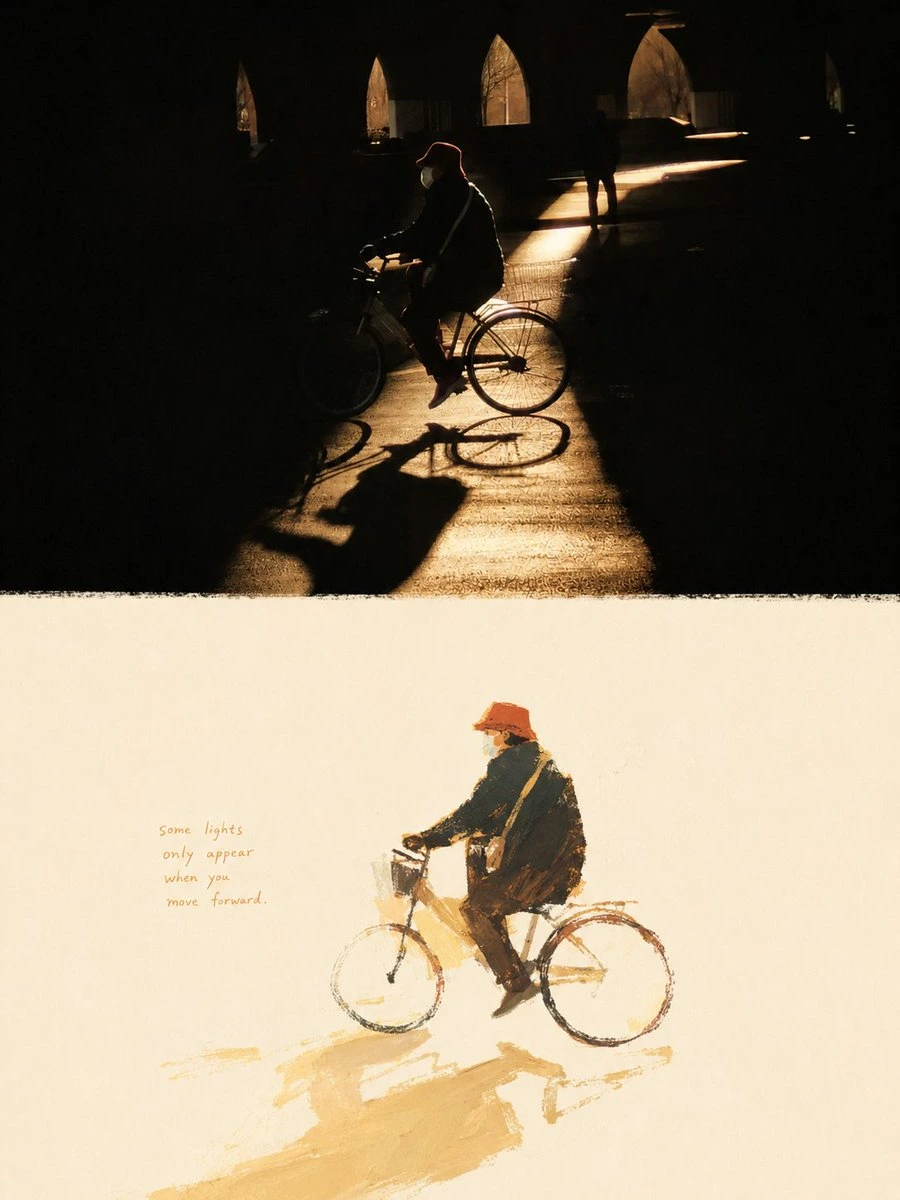
sample 07 AI Image Prompt
sample 07, its complete AI image prompt, and the Photo Restyling · Impasto · Oil Painting · 206 style are free to view and copy.
Complete AI image prompt
Build a paired view of one subject: a lucid documentary photograph establishes the factual scene, recognizable instant, environmental scale, directional light, and believable depth, while a painterly response below reinterprets the same event across a generous warm-white paper field. Preserve only the identity-bearing silhouette, gesture, architectural rhythm, terrain sweep, or path of light in the painted passage, reducing secondary information until the subject reads as a remembered essence rather than a duplicate. Let a calm horizontal division hold the two registers in near-balanced visual weight; the eye should encounter the complete photographic situation first and then descend into its emotional echo. The theme may alter each field’s proportion and the focal position, but the real-world evidence and painted translation must correspond clearly, with open paper visibly surrounding the lower image. Use natural photographic color and illumination: bright scenes retain transparent warm-cool depth, while low-key scenes let a deep dark enclosure shape one precise beam of warm light; derive the actual hues from the subject. In the painted register, pull a restrained, softened palette from the photograph onto creamy white, reserving one tiny, purer accent as a color anchor. Construct forms with short flat-brush and palette-knife-like blocks, layered opaque pigment, selective broken coverage, and dry-brushed endings confined to the depicted subject and essential setting; keep a few recognition-critical contours exact, allow others to dissolve into untouched paper, and compress distant detail into broad economical marks. Optional copy appears only as a quiet pause in the negative space: a very small, airy group of valid theme-written words, built with fine handwritten modulation or a light serif skeleton, generous line spacing, and a restrained dash, slash, or color dot as its countermark. The lettering supports mood rather than explaining the image. Keep photographic precision and loose material interpretation in productive tension: the upper register carries place, scale, and fact; the lower carries subtraction, tactile memory, and afterimage; both share one gesture, axis, or light direction while contrasting exact detail with open painterly shorthand.
Original style prompt
Build a paired view of one subject: a lucid documentary photograph establishes the factual scene, recognizable instant, environmental scale, directional light, and believable depth, while a painterly response below reinterprets the same event across a generous warm-white paper field. Preserve only the identity-bearing silhouette, gesture, architectural rhythm, terrain sweep, or path of light in the painted passage, reducing secondary information until the subject reads as a remembered essence rather than a duplicate. Let a calm horizontal division hold the two registers in near-balanced visual weight; the eye should encounter the complete photographic situation first and then descend into its emotional echo. The theme may alter each field’s proportion and the focal position, but the real-world evidence and painted translation must correspond clearly, with open paper visibly surrounding the lower image. Use natural photographic color and illumination: bright scenes retain transparent warm-cool depth, while low-key scenes let a deep dark enclosure shape one precise beam of warm light; derive the actual hues from the subject. In the painted register, pull a restrained, softened palette from the photograph onto creamy white, reserving one tiny, purer accent as a color anchor. Construct forms with short flat-brush and palette-knife-like blocks, layered opaque pigment, selective broken coverage, and dry-brushed endings confined to the depicted subject and essential setting; keep a few recognition-critical contours exact, allow others to dissolve into untouched paper, and compress distant detail into broad economical marks. Optional copy appears only as a quiet pause in the negative space: a very small, airy group of valid theme-written words, built with fine handwritten modulation or a light serif skeleton, generous line spacing, and a restrained dash, slash, or color dot as its countermark. The lettering supports mood rather than explaining the image. Keep photographic precision and loose material interpretation in productive tension: the upper register carries place, scale, and fact; the lower carries subtraction, tactile memory, and afterimage; both share one gesture, axis, or light direction while contrasting exact detail with open painterly shorthand.
More open images in the “Photo Restyling · Impasto · Oil Painting · 206” style