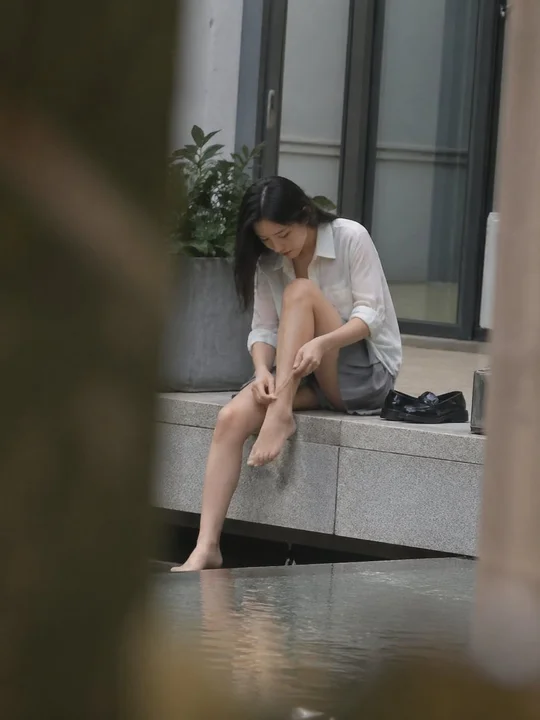
 sample 01Photography & Cinematic Styles · X Archive · 117
prompt library
成员提示词库
-
套提示词风格
- 全量解锁提示词、参数与案例
- 持续上新新提示词与实用场景
- 作者答疑使用问题直接沟通
正在确认当前可用的年度方案…
zhishixingqiu
知识星球
扫码加入星球,持续获取提示词更新、插件资料和项目答疑;星球会员也可以解锁成员提示词库。
 扫码或点击加入知识星球
认识小小东
添加微信,获取提示词、插件、Skills 与 AI 出图支持

扫描,添加小小东个人微信
built by xiaoxiaodong
我开发的项目
谷歌插件和 GitHub 项目分开展示
16 个可用项目chrome web store
谷歌插件
github
GitHub 项目
正在计算符合当前颜色的内容…
你已看完 10 页免费内容
开通 VIP,解锁完整提示词库。
开源 Skills
Skills
浏览小小东开源的 Codex / Agent Skills。按现有瀑布流节奏展开,找到合适的能力后即可复制安装命令。
正在加载 Skills…
没有找到匹配的 Skill。
Open prompts
Photography & Cinematic Styles
3 real examples in the Photography & Cinematic Styles · X Archive · 117 style, with complete prompts available to copy without signing in.
Original style prompt
Place the camera outside the event and catch the principal carrier at the exact threshold of an absorbed action, reaction, or interaction, viewed from a third-party position partly screened by a near-field shape or boundary generated by the setting. Let the theme determine the carrier, the triggering counterpart, the physical cause and effect, symbolic relationship, and environmental evidence; keep all attention anchored to what is happening in the scene so that identifying features, active parts, weight distribution, and object states feel intercepted by the shutter, carrying spontaneous asymmetry and continuous physical logic. Build depth as three linked planes: an out-of-focus form entering from beyond the frame, the crisply prioritized action plane, and a softened yet semantically legible environment. The foreground screen may range from slim edge pressure to a broad mass occupying much of one side, while the complete causal link between action and trigger remains visible. Make focus, not sheer size, establish the principal carrier as the visual anchor; background structures, companion roles, fixtures, and traces of use should recede gently while retaining place, scale, and story. Balance unequal masses in dynamic equilibrium, with the focal event allowed to sit away from geometric center and held by the distance between a dark foreground weight, lighter environmental surfaces, and breathing room. Lead the eye diagonally from the carrier's key identifying region through its active end, triggering element, and load-bearing structure into the wider scene. Vary camera distance within a controlled range from remote observation to a complete action silhouette or a closer reaction, allowing secondary forms to enter naturally at the edges while keeping the primary action legible at first glance. Derive repeated units, reflective interfaces, spatial boundaries, support planes, movement paths, and group rhythm from the theme, then organize them through overlap, scale recession, and focus falloff into a genuinely inhabited or actively used environment. Use observational documentary photography, natural perspective, and mild telephoto compression from an ordinary standing or discreet observer height. Preserve the slightly hurried but physically coherent geometry of a fleeting instant; place focus on the key identifying region, active end, and decisive interaction, with clear detail retaining natural optical softness, the nearest plane dissolving into soft color masses, and distant forms holding recognizable contours and meaning. Illuminate the scene with available window light, open-sky light, or ambient interior light that wraps the carrier softly, maintains grounded contact shadows, and rolls into gentle highlights. Let low-to-moderate chroma neutrals and native material colors occupy most of the image, while the theme contributes a slight warmth in the focal material, clear value separation, and a small localized color cue. Keep exposure believable, tonal transitions continuous, surface reflections natural, and the color treatment restrained, so the first read is always the caught action, the observer's distance, and the story carried by the surrounding space.
sample 01Photography & Cinematic Styles · X Archive · 117 sample 02Photography & Cinematic Styles · X Archive · 117
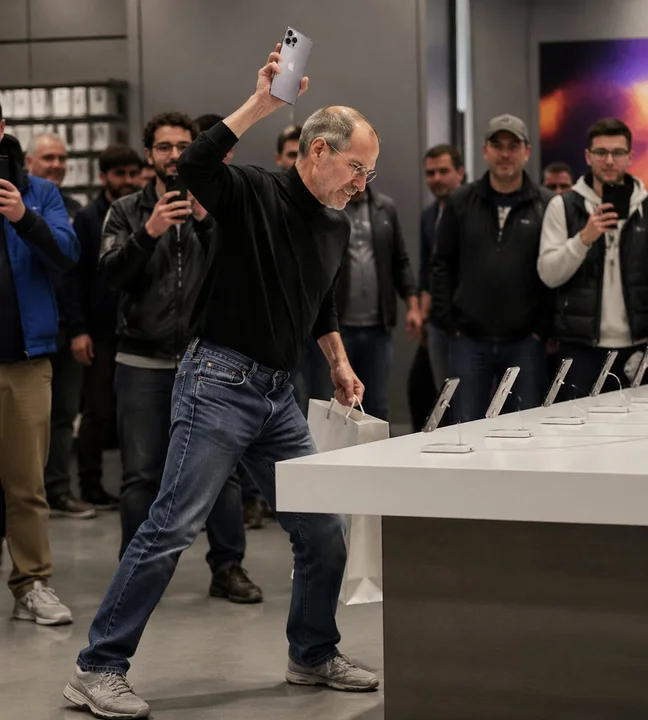 sample 03Photography & Cinematic Styles · X Archive · 117
正在计算符合当前颜色的内容…
VIP 收录全部风格 每周持续新增,开源的只是其中一小部分。
还没有通知
有新通知时会出现在这里。
批量管理
正在建设中,预计一周后内上线。
已选 0 组
点击卡片选择或取消,删除后无法恢复