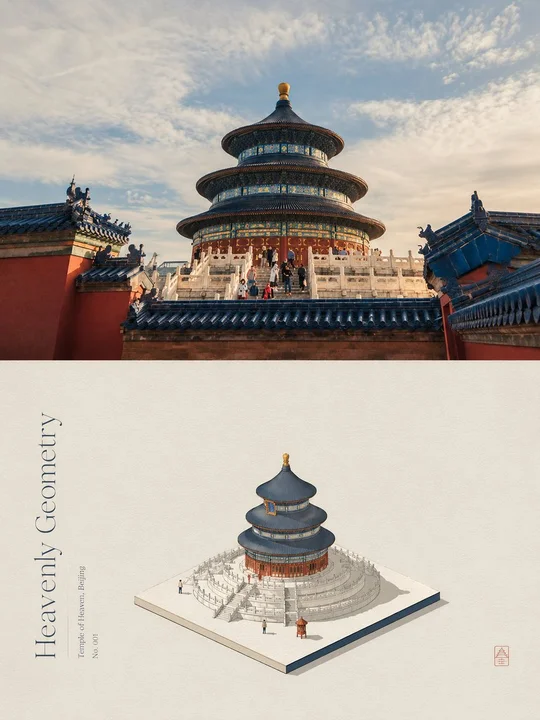
 sample 01Photo Restyling · 3D · Miniature · 205
prompt library
成员提示词库
-
套提示词风格
- 全量解锁提示词、参数与案例
- 持续上新新提示词与实用场景
- 作者答疑使用问题直接沟通
正在确认当前可用的年度方案…
zhishixingqiu
知识星球
扫码加入星球,持续获取提示词更新、插件资料和项目答疑;星球会员也可以解锁成员提示词库。
 扫码或点击加入知识星球
认识小小东
添加微信,获取提示词、插件、Skills 与 AI 出图支持

扫描,添加小小东个人微信
built by xiaoxiaodong
我开发的项目
谷歌插件和 GitHub 项目分开展示
16 个可用项目chrome web store
谷歌插件
github
GitHub 项目
正在计算符合当前颜色的内容…
你已看完 10 页免费内容
开通 VIP,解锁完整提示词库。
开源 Skills
Skills
浏览小小东开源的 Codex / Agent Skills。按现有瀑布流节奏展开,找到合适的能力后即可复制安装命令。
正在加载 Skills…
没有找到匹配的 Skill。
Open prompts
Photo Restyling
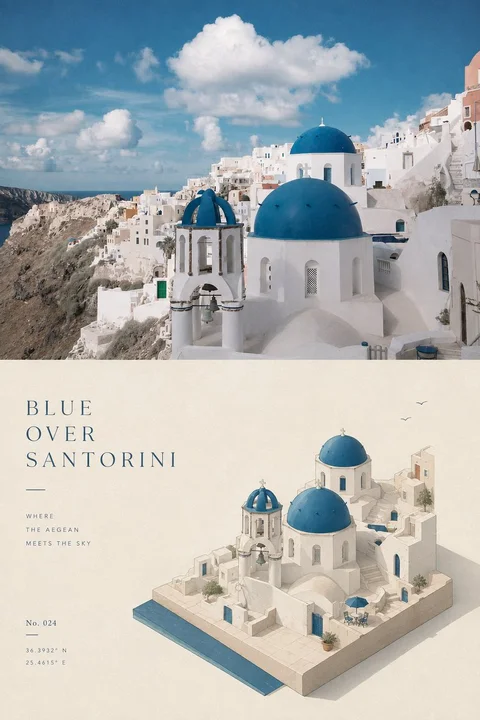
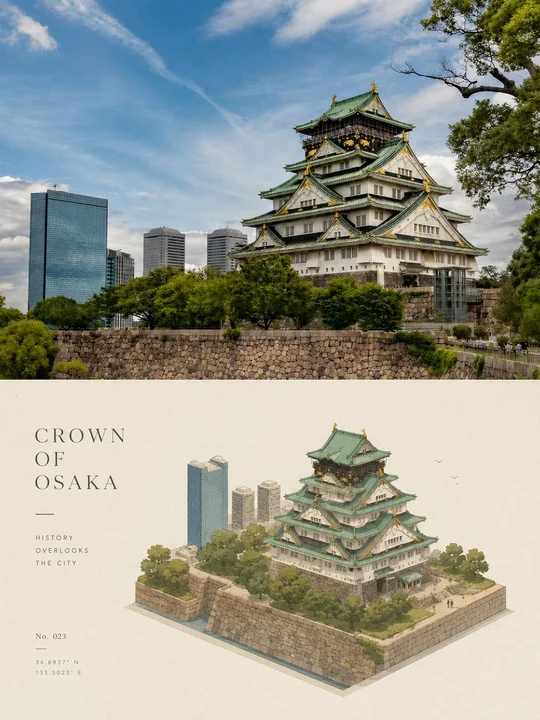
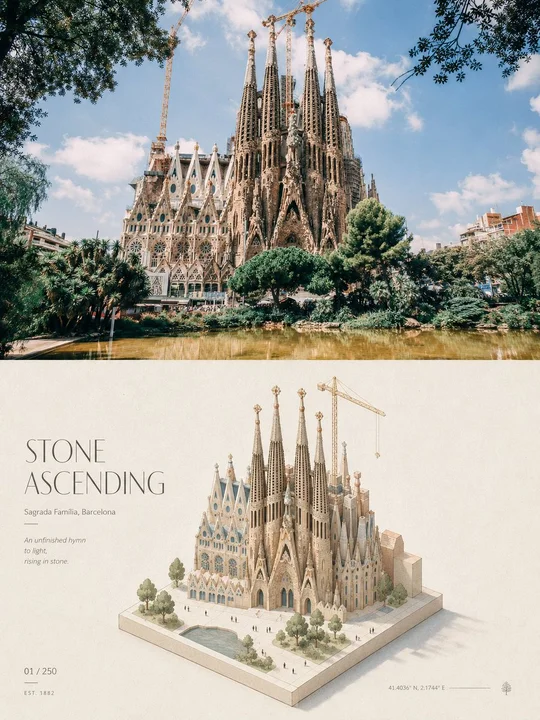
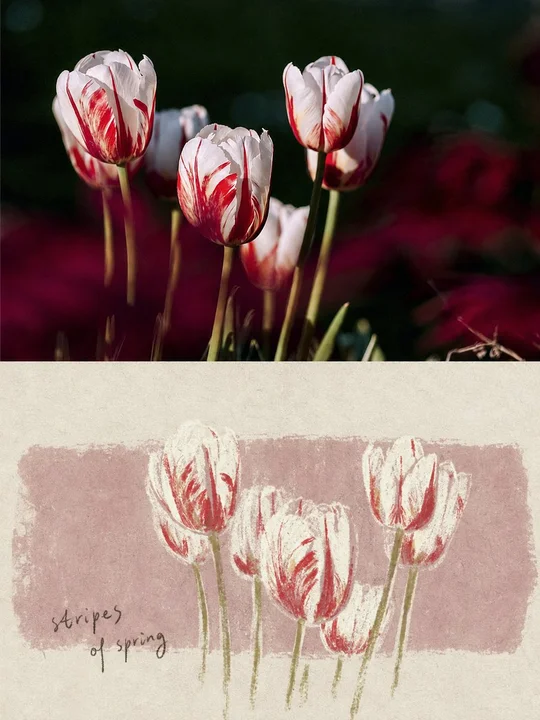
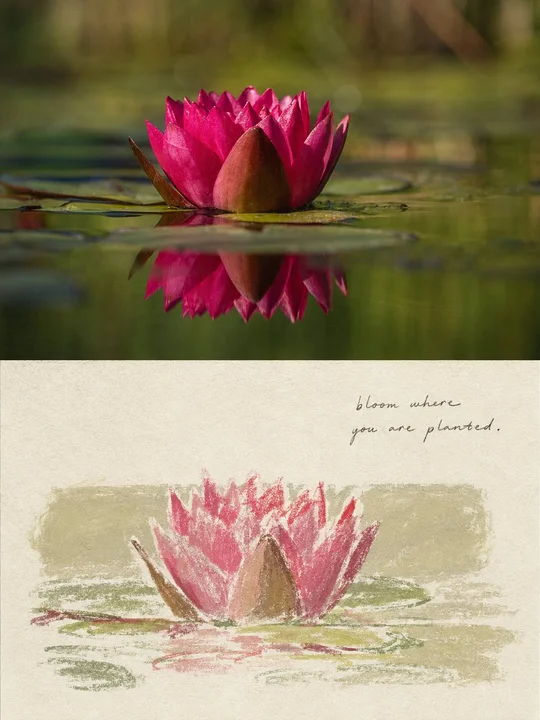
6 real examples in the Photo Restyling · 3D · Miniature · 205 style, with complete prompts available to copy without signing in.
Original style prompt
Stage the subject as a two-part passage from direct observation to a tactile paper reinterpretation of the same idea. Let the first scene be a clear natural-light photograph: the subject holds the visual center within its believable environment, with convincing scale, surface response, atmospheric depth, and slight framing pressure from nearby or foreground forms. Join it across a clean horizontal threshold to a second scene built on an expansive warm-white matte paper field. Here the subject is edited down to its most recognizable silhouette, structural rhythm, color relationships, and theme-derived symbolic attachments, with incidental photographic detail removed. Keep the two scenes similar in visual mass but deliberately opposite in density: rich real-world evidence first, generous paper emptiness second, so the eye recognizes the literal subject and then discovers its simplified, rearranged, emotionally inflected counterpart. In the paper scene, balance a dominant image asymmetrically against small peripheral writing. Choose one rendering path according to the subject's own logic. For subjects defined by construction and spatial assembly, build a slightly elevated isometric miniature on a thin plinth, using finely articulated components, soft contact shadows, and a few tiny scale cues or theme-derived markers to create a collectible model-world. For organic, intimate, or emotionally soft subjects, make a relaxed wax-crayon study with short layered strokes, intermittent edges where the tooth of the paper remains visible, low-detail contours, and one restrained block of subject color. Use only the better-fitting path; both must preserve the same principle of precise recognition followed by purposeful reduction. Derive one dominant hue and one or two supporting hues from the photographed subject, reduce the total color load in the paper scene, and reserve one vivid focal accent against the warm neutral ground. Real light models the photographic surfaces; the reinterpretation uses only compact soft shadows or economical crayon value shifts to imply volume. Generate writing from the subject's meaning and make it secondary to the image: either high-contrast fine serif letterforms with open tracking for a restrained title, number, and brief note, or slender natural handwriting for one intimate phrase. Match the lettering path to the chosen rendering medium, preserve valid anatomy and recognition in the selected writing system, keep spacing airy, and let the words sit lightly inside the negative space like archival notation. The finished image should hold crisp photographic credibility against warm paper-made imperfection, with reality, reduction, a recurring theme-color accent, and quiet annotation forming a calm, collectible visual field guide.
正在计算符合当前颜色的内容…
VIP 收录全部风格 每周持续新增,开源的只是其中一小部分。
还没有通知
有新通知时会出现在这里。
批量管理
正在建设中,预计一周后内上线。
已选 0 组
点击卡片选择或取消,删除后无法恢复