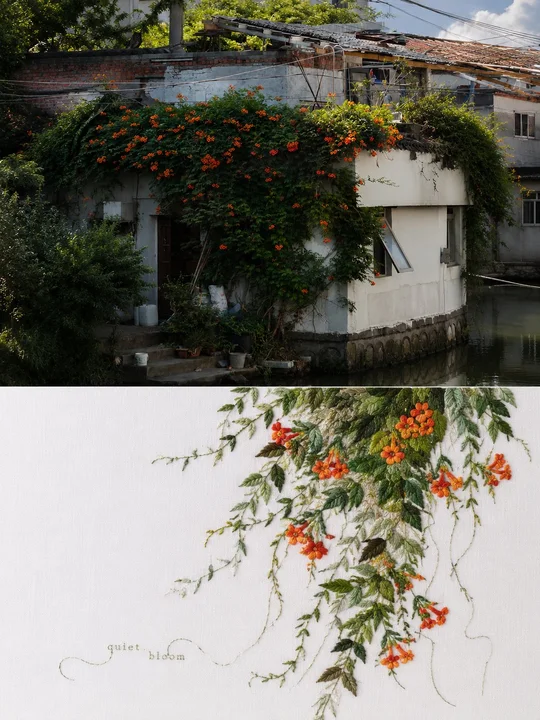
 en sample 01XXD Panel 039 · Embroidered Imagery
prompt library
成员提示词库
-
套提示词风格
- 全量解锁提示词、参数与案例
- 持续上新新提示词与实用场景
- 作者答疑使用问题直接沟通
正在确认当前可用的年度方案…
zhishixingqiu
知识星球
扫码加入星球,持续获取提示词更新、插件资料和项目答疑;星球会员也可以解锁成员提示词库。
 扫码或点击加入知识星球
认识小小东
添加微信,获取提示词、插件、Skills 与 AI 出图支持

扫描,添加小小东个人微信
built by xiaoxiaodong
我开发的项目
谷歌插件和 GitHub 项目分开展示
16 个可用项目chrome web store
谷歌插件
github
GitHub 项目
正在计算符合当前颜色的内容…
你已看完 10 页免费内容
开通 VIP,解锁完整提示词库。
开源 Skills
Skills
浏览小小东开源的 Codex / Agent Skills。按现有瀑布流节奏展开,找到合适的能力后即可复制安装命令。
正在加载 Skills…
没有找到匹配的 Skill。
Open prompts
XXD Panel 039
11 real examples in the XXD Panel 039 · Embroidered Imagery style, with complete prompts available to copy without signing in.
Original style prompt
Please make every photo I upload into its own standalone high-end design poster; no multi-image collages, each photo output separately. The overall composition uses a 3:4 vertical format, with the upper and lower zones strictly 1:1 in height, each taking up 50% of the frame.

The upper half keeps the original photo, preserving the subject's structure, real texture, natural light and shadow, and original color atmosphere, applying only a slight high-end photographic color grade so that it carries the texture of art magazines, independent publications, and exhibition photography. To fit the frame, the sky, ground, or environmental background may be extended naturally, but the subject must not be stretched, distorted, or altered.

In the lower half, first understand the original image's true core spirit, emotional relationships, and latent meaning, then extract its most recognizable subject, outline, pose, and narrative relationships, selecting only the single core image that can best represent the entire photo for reconstruction in the style of Chinese embroidery. Do not embroider the whole photo again, and do not convert every element of the scene into embroidery one by one. Boldly remove secondary information, using a pose, a section of contour, a relationship, an action, or a symbolic detail to carry the core of the entire photo, so that when people see the lower half, they not only recognize “what it is” but can also feel “what the original image is expressing.”

The embroidery language combines the silk-thread layering, stitch variations, interplay between solid and void, and Eastern negative space of traditional Chinese textile embroidery. Different stitches such as flat stitch, long-and-short stitch, coiled-thread stitch, wrapped-thread stitch, seed stitch, and couching stitch may be used, with stitch direction, density, and layering changing according to the subject's form. Some areas may be finely detailed, while others may retain only a few stitches, a single line, or an unfinished contour, allowing “embroidered and unembroidered” together to form the image. Render the luster of real silk thread, stitch direction, overlapping threads, and slight handmade imperfections authentically, but avoid all-over traditional patterns, the feel of a handicraft display, and fake digital embroidery.

The composition emphasizes selection, negative space, vital resonance, and a sense of life. Do not fix it at the center or fill it evenly. Freely arrange position, scale, cropping, and density according to the subject's center of gravity, movement, gaze, flow, and emotion. It may be off-center, suspended, locally enlarged, cross the boundary, or show only one part, allowing a small embroidered area and a large expanse of blank space to create tension. A loose silk thread, an unfinished edge, or a small patch of color may also carry emotion. Negative space should feel like air, distance, a pause, and lingering resonance, not a place left empty while waiting to be filled.

The background must be clean, bright, and airy; do not default to beige, gray-beige, old linen, or dirty pale colors. Based on the color character of the photo above, adaptively choose clean white, cool white, soft ivory, an extremely pale color, or a translucent silk ground with a distinct overall hue. A bolder but pure colored ground may also be used when suitable for the original image. The background may reveal an extremely subtle silk, damask, or textile texture, but must not be yellowed, grayed over, dirty, artificially aged, or stained. The handmade quality of the embroidery comes from the silk threads and stitches, not from creating it with a dirty, aged background.

Likewise, do not use a fixed color chart. Find in the original image the color relationships with the greatest spirit, vitality, and ability to represent its essence, then transform them into the lively silk-thread gradations distinctive to Chinese embroidery. Do not sample the photo's colors evenly; retain the truly meaningful main colors and allow each color to shift subtly in warmth, depth, lightness, darkness, and saturation. Interweave analogous colors, awaken the composition with a small number of complementary accents, use tiny areas of high-purity bright color, and create silk-thread shimmer through differing stitch directions. The colors may be clear and elegant, vivid, rich, gentle, or restrained, as determined by each original image. They should be rich but not chaotic, brilliant but not gaudy, soft but not gray, traditional but not rigid.

Text serves only as a light editorial finishing touch, distilling an extremely short word or phrase from the emotions, actions, relationships, or metaphors that the original image does not state directly. Use fine-thread embroidery, a slender inscription label, or extremely minimal small type, allowing the text to follow the flow of the silk thread, embed itself in negative space, stay close to the subject's edge, or even become part of the composition like a single thread. Keep it sparse and meaningful; do not make it an explanatory label or let it steal attention from the embroidered subject.

The overall pursuit is one core per image, one image per core: first understand the original image, then select what is most worth preserving; discard the other elements rather than piling them up merely for richness. The final result presents the lively colors, silk-thread luster, Eastern negative space, subtle meaning, and contemporary editorial design sensibility distinctive to Chinese embroidery. It is bright, spirited, emotional, and vital. Avoid full-image replication, accumulated elements, dirty beige backgrounds, yellowed old fabric, fixed Chinese-style palettes, full-frame embroidery, the feel of cultural-creative merchandise, and templates.
en sample 01XXD Panel 039 · Embroidered Imagery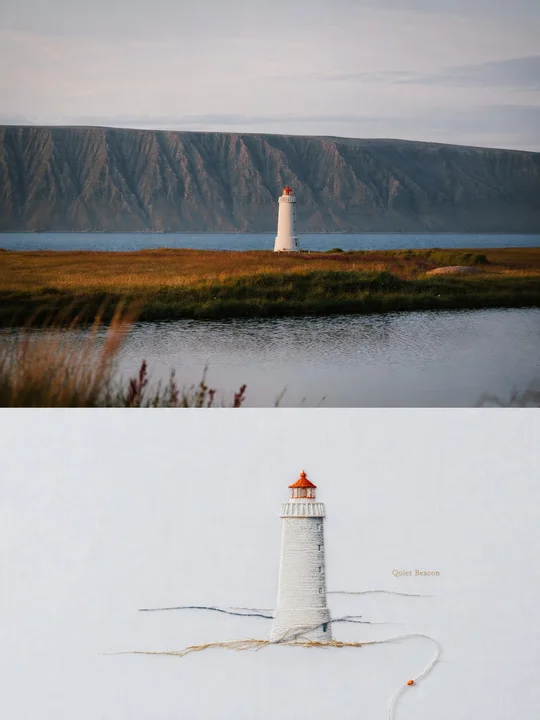 en sample 02XXD Panel 039 · Embroidered Imagery
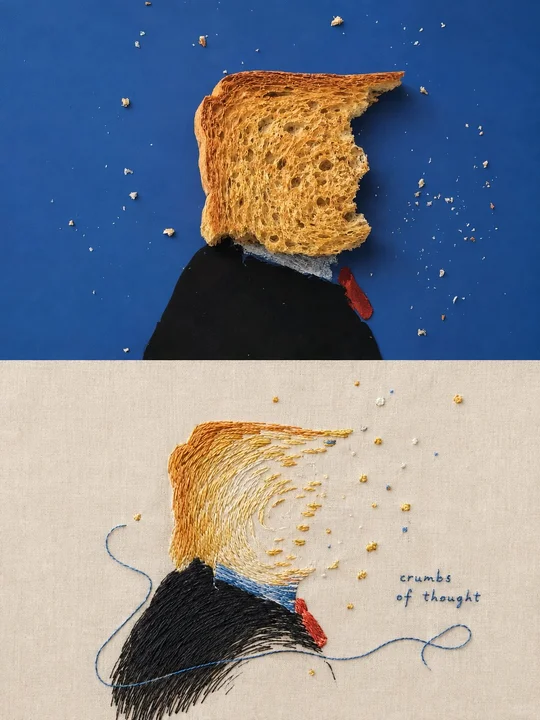 en sample 03XXD Panel 039 · Embroidered Imagery
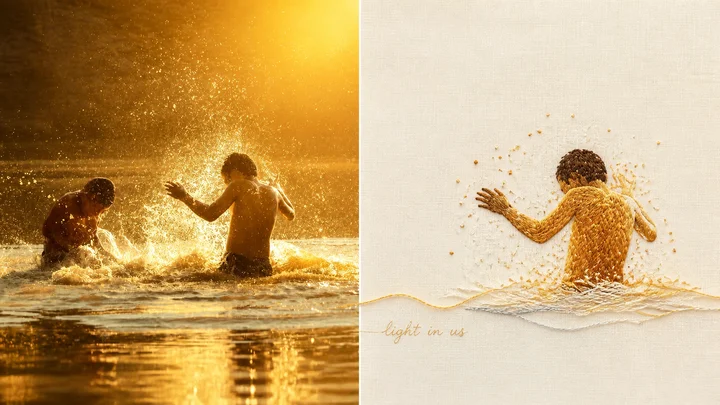 en sample 05XXD Panel 039 · Embroidered Imagery
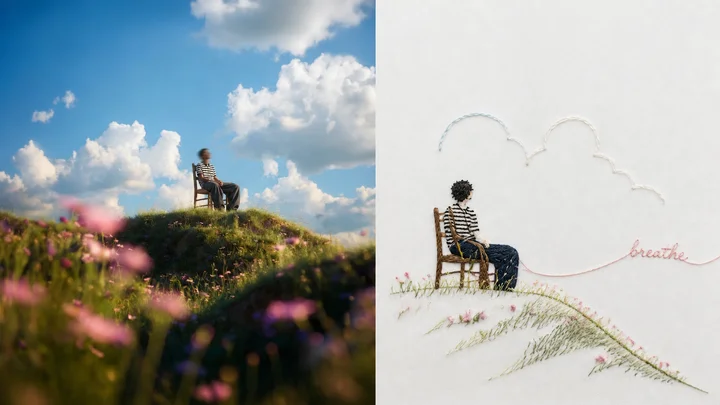 en sample 06XXD Panel 039 · Embroidered Imagery
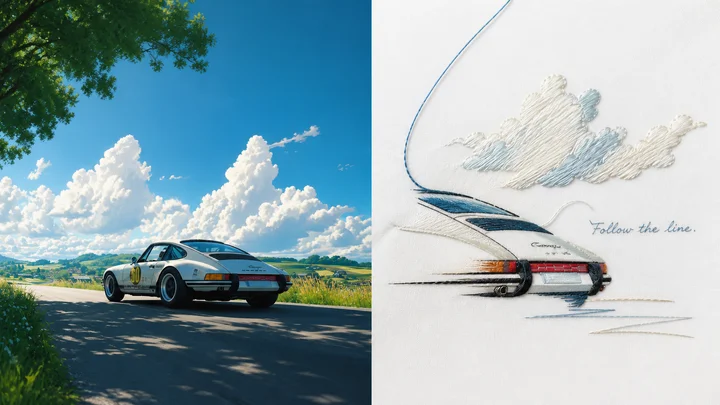 en sample 07XXD Panel 039 · Embroidered Imagery
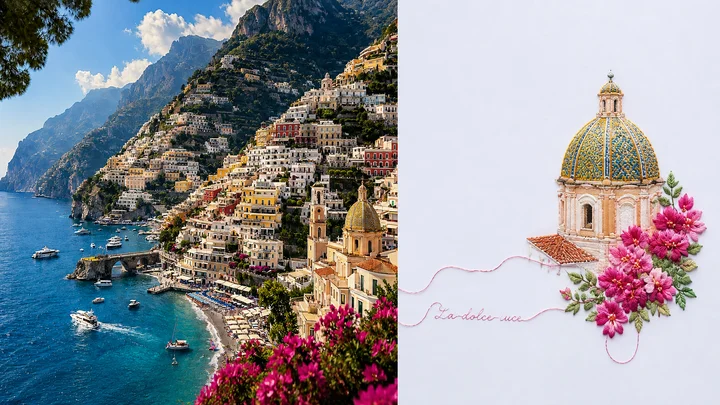 en sample 08XXD Panel 039 · Embroidered Imagery
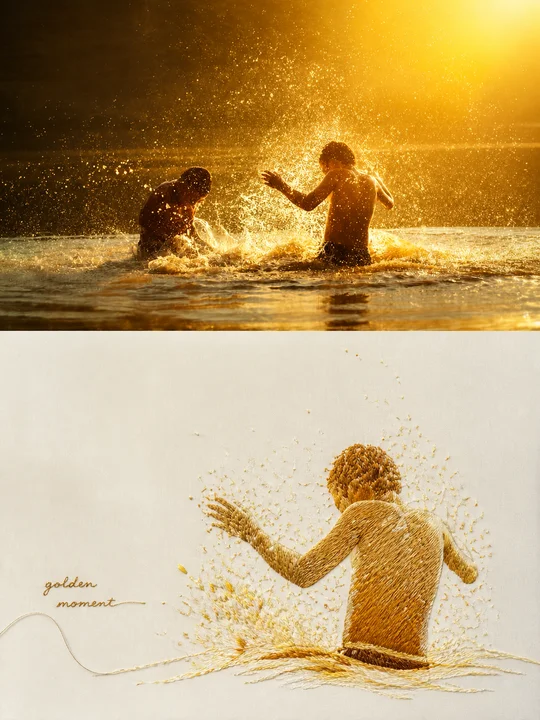 en sample 09XXD Panel 039 · Embroidered Imagery
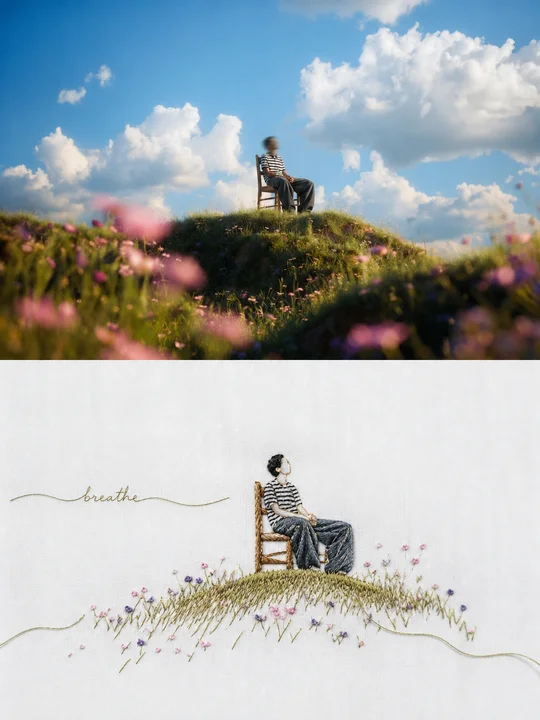 en sample 10XXD Panel 039 · Embroidered Imagery
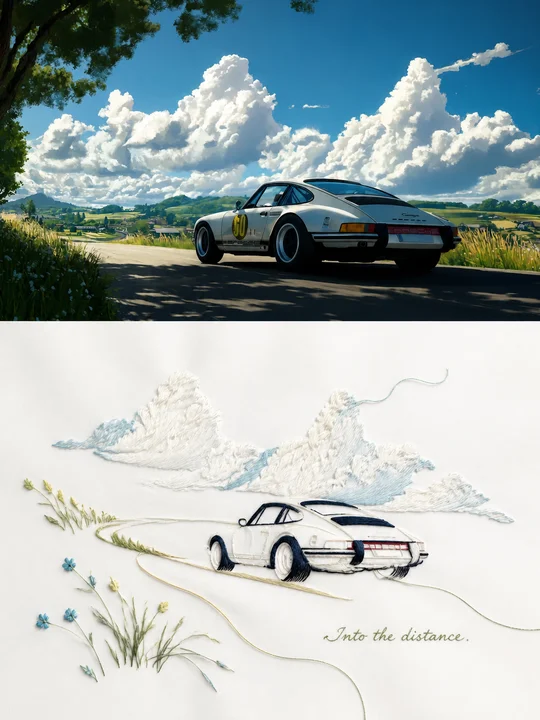 en sample 11XXD Panel 039 · Embroidered Imagery
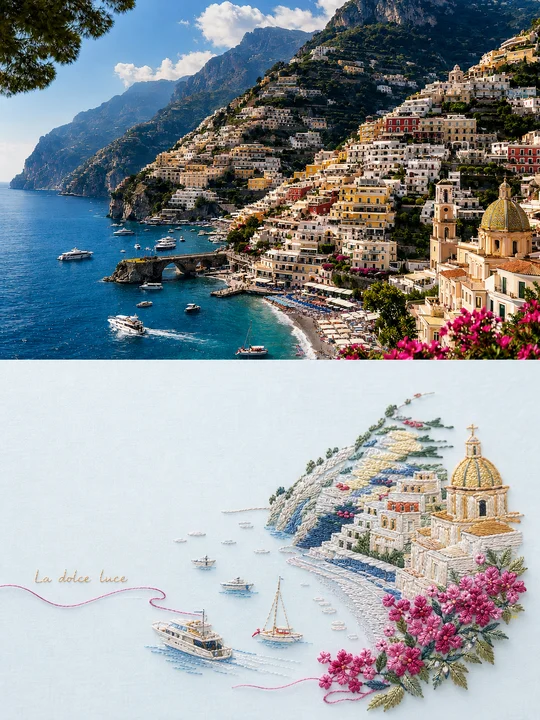 en sample 12XXD Panel 039 · Embroidered Imagery
正在计算符合当前颜色的内容…
VIP 收录全部风格 每周持续新增,开源的只是其中一小部分。
还没有通知
有新通知时会出现在这里。
批量管理
正在建设中,预计一周后内上线。
已选 0 组
点击卡片选择或取消,删除后无法恢复