会员账号

Open prompts

XXD Panel 071

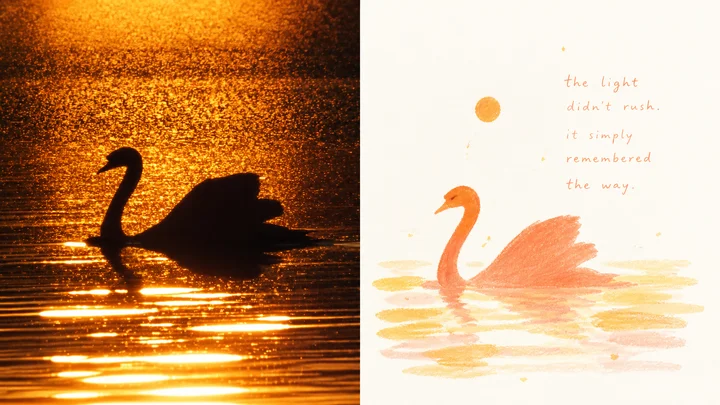
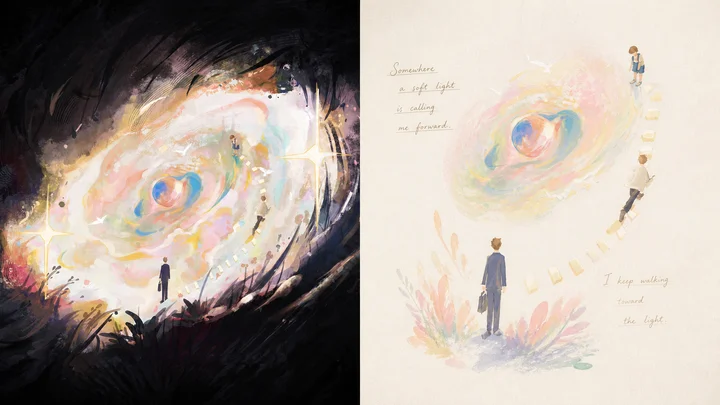
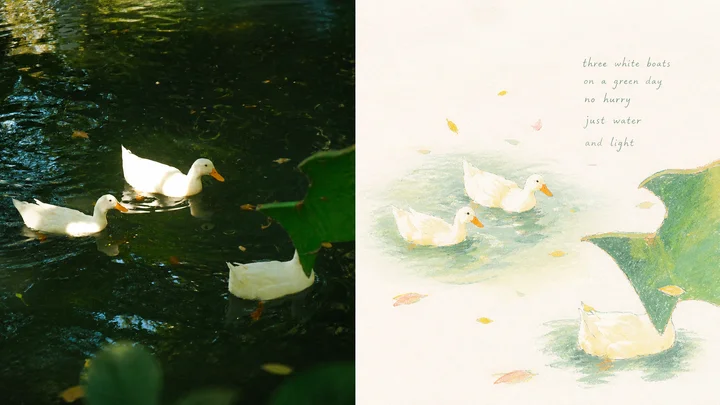
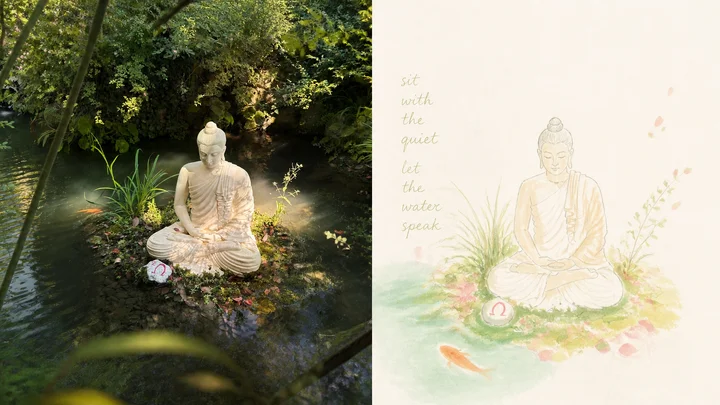
8 real examples in the XXD Panel 071 · Pastel Poetry Notebook style, with complete prompts available to copy without signing in.

Original style prompt

Please turn every photo I upload into its own standalone high-end design poster. Do not make a multi-image collage; output each photo separately. Use an overall 3:4 portrait composition, with the upper and lower regions in a strict 1:1 height ratio, each occupying 50% of the image.

The upper half retains the original photograph, preserving the subject's identity, structure, pose, authentic texture, natural light and shadow, and original colour atmosphere. Apply only subtle high-end grading so it feels appropriate for an art magazine, independent publication, or exhibition image. The surrounding environment may be extended naturally to fit the canvas, but the subject must not be stretched, distorted, or changed.

From the lower half, extract the photograph's most recognisable **subject, silhouette, pose, and narrative relationships**. Keep only the original image's most memorable core theme, emotion, and visual metaphor, and reconstruct them as a light, poetic hand-drawn artwork. Do not fully depict the original scene. Instead, summarise the subject with a few soft, simple, slightly naive forms and colour blocks. Proportions may be moderately exaggerated, details removed, or forms turned into symbolic shapes, but identity and narrative relationships must remain recognisable at a glance.

The composition emphasises **negative space as art in itself**. The subject and a few supporting forms need not be centred; arrange variations in density, scale, height, and direction across the image so elements float, echo, or pull one another like fragments of memory. Individual forms may hover independently, cross a boundary slightly, repeat, or interweave with text, while a clear visual centre is always maintained. Deliberately discard complex backgrounds. Let a large near-white paper field carry air, distance, silence, and emotion, so the image feels both freely relaxed and editorially ordered.

Use a hand-drawn texture that combines **soft pastel, pastel crayon, water-soluble coloured pencil, and thin gouache**. Shape edges should carry slight blur, rubbing, and powdery grain; in places, let the paper show through with delicate colour overlaps and uneven coverage. Lines should be sparse and intentional, using fine hand-drawn contours, short marks, or outline corrections with a slight pause. Keep the result soft, light, and tactile. Avoid realistic modelling, thick black outlines, pristine vectors, and complex textures.

From the upper photograph, choose **the brightest, most vital colours that best express its mood, then soften and purify them** rather than sampling colours evenly by area. Reorganise the source colours into translucent pastel relationships that may naturally form lake cyan, mint green, fresh yellow-green, cream yellow, apricot orange, coral pink, soft violet, mist blue, and other bright mixed hues. Use light warm–cool alternation and differences in colour-block scale to establish rhythm. Colours should be vivid yet soft, like sunlight passing through thin pigment onto paper. Match the background intelligently to the source atmosphere as an extremely pale, nearly white warm-white or lightly tinted paper colour, preserving breath through abundant negative space. Avoid dirty grey, darkness, excessive Morandi muting, vintage yellow-brown, fluorescence, and a cheap candy-like effect.

Text enters freely as part of the image's emotion, with no preset title, numbering, location, or language. Distil a few words, short lines, or poetic fragments from the photograph's subject, action, memory, sound, feeling, or metaphor, and let the image determine their length and placement. **Use fine, relaxed handwriting with pauses, pressure variation, and a drifting baseline.** Text may pass through empty space, sit near the subject, stagger along the edge of a colour block, or form a loose short poem. It should build the reading rhythm together with the shapes; do not align it mechanically or turn it into a conventional title-and-body menu layout.

The whole work should bring together **near-white paper, vivid pastels, soft symbols, hand-drawn traces, poetic text, and abundant negative space** in a refined, healing atmosphere, like an independently published art picture book, a private visual diary, or a poetry album: gentle, bright, relaxed, intelligent, and slightly innocent, yet mature in composition and editorial design. Avoid complete realistic landscapes, filled backgrounds, children's-cartoon styling, commercial illustration, sticker logic, 3D rendering, and templated poster design.
正在加载…

找回密码

输入注册邮箱,我们会发送一封重置邮件。

确认删除

删除后将从网站中移除。

API 迁移

导入 API 配置