
Open prompts
sample 02 AI Image Prompt
sample 02, its complete AI image prompt, and the Illustration & Visual Styles · Glass · 007 style are free to view and copy.
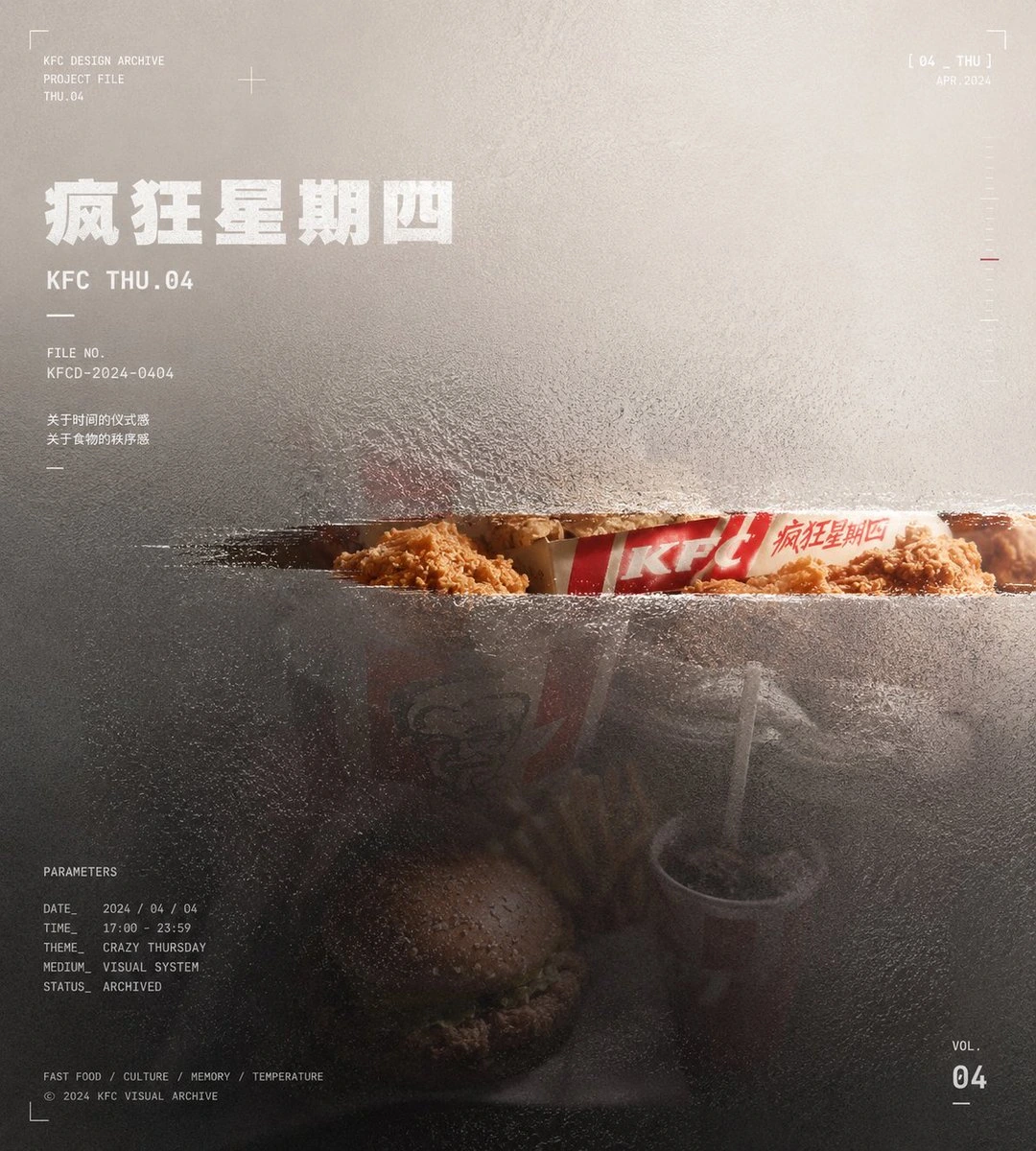
Complete AI image prompt
Stage the subject behind a dominant translucent frosted barrier and expose it through one taut horizontal slit. Inside the opening, isolate the most recognizable thematic action, material cue, symbol, or product evidence at crisp high contrast, compressed between two tactile, irregular cut edges; beyond it, let the same large form continue as a dim diffused shadow, occluded and softened by the barrier, creating the sensation of a brief sighting through a sealed archive window. Build asymmetrical dynamic equilibrium: a dense anchor of oversized display lettering and short copy is counterweighted at distance by an expansive quiet field, a large index number, and lightweight calibration marks. Keep the underlying subject visually massive but reveal only a narrow fraction; lead the eye from the headline into the slit, then laterally through the peripheral data. The text anchor, reveal line, and subject may migrate with the semantic center, while the invariant ratio remains broad concealment, extremely narrow disclosure, and subordinate edge information, with one controlled grid violation supplying tension. Construct the headline in an orthographically valid, ultra-bold square sans appropriate to the target writing system, with compressed glyph widths, stacked short lines, near-monolinear strokes, squared counters, and an abrupt scale jump; set secondary copy at medium weight, then render dates, indexes, parameters, and archival fields in tiny narrow monospaced or engineered sans lettering with generous tracking and strict baselines. Fine rules, corner brackets, crosses, rings, scales, and barcode-like bands form a credible instrument layer, with all words and codes derived from the subject. Make the concealment plane thick embossed frosted glass or a translucent textured coating whose fine relief scatters ambient light; keep the exposed image optically clear, give the cut edges a palpable raised texture, and use a continuous bright-above to dark-below value falloff so one material acts as background, mask, and light field. Confine brief prismatic dispersion to slit edges where strong light strikes. Derive hues from the subject's material associations and emotional temperature: let low-saturation near-monochrome neutrals occupy almost the entire field, structure the image through value reversal, and compress the subject's identifying color into a small, pure signal inside the opening. The result should feel restrained, severe, and experimentally archival, while the narrow disclosure zone delivers the strongest sensory impact.
Original style prompt
Stage the subject behind a dominant translucent frosted barrier and expose it through one taut horizontal slit. Inside the opening, isolate the most recognizable thematic action, material cue, symbol, or product evidence at crisp high contrast, compressed between two tactile, irregular cut edges; beyond it, let the same large form continue as a dim diffused shadow, occluded and softened by the barrier, creating the sensation of a brief sighting through a sealed archive window. Build asymmetrical dynamic equilibrium: a dense anchor of oversized display lettering and short copy is counterweighted at distance by an expansive quiet field, a large index number, and lightweight calibration marks. Keep the underlying subject visually massive but reveal only a narrow fraction; lead the eye from the headline into the slit, then laterally through the peripheral data. The text anchor, reveal line, and subject may migrate with the semantic center, while the invariant ratio remains broad concealment, extremely narrow disclosure, and subordinate edge information, with one controlled grid violation supplying tension. Construct the headline in an orthographically valid, ultra-bold square sans appropriate to the target writing system, with compressed glyph widths, stacked short lines, near-monolinear strokes, squared counters, and an abrupt scale jump; set secondary copy at medium weight, then render dates, indexes, parameters, and archival fields in tiny narrow monospaced or engineered sans lettering with generous tracking and strict baselines. Fine rules, corner brackets, crosses, rings, scales, and barcode-like bands form a credible instrument layer, with all words and codes derived from the subject. Make the concealment plane thick embossed frosted glass or a translucent textured coating whose fine relief scatters ambient light; keep the exposed image optically clear, give the cut edges a palpable raised texture, and use a continuous bright-above to dark-below value falloff so one material acts as background, mask, and light field. Confine brief prismatic dispersion to slit edges where strong light strikes. Derive hues from the subject's material associations and emotional temperature: let low-saturation near-monochrome neutrals occupy almost the entire field, structure the image through value reversal, and compress the subject's identifying color into a small, pure signal inside the opening. The result should feel restrained, severe, and experimentally archival, while the narrow disclosure zone delivers the strongest sensory impact.
More open images in the “Illustration & Visual Styles · Glass · 007” style