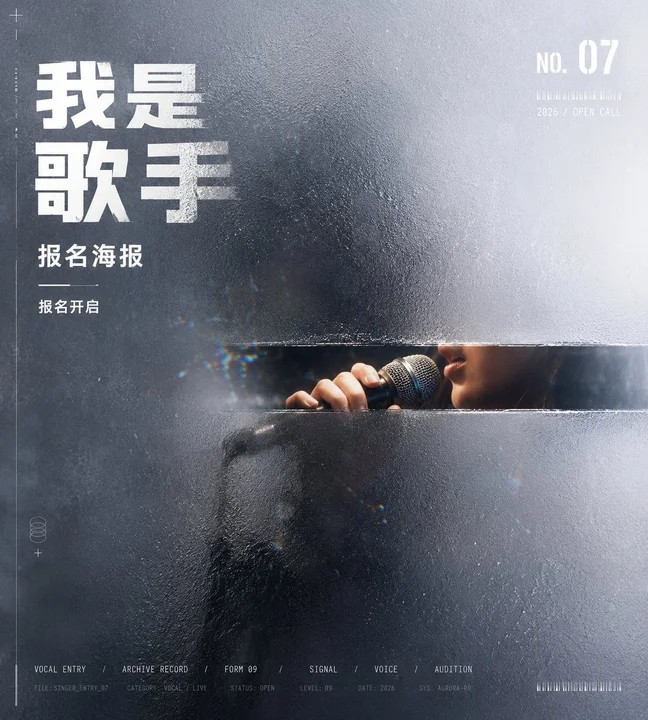
 sample 01Illustration & Visual Styles · Glass · 007
prompt library
成员提示词库
-
套提示词风格
- 全量解锁提示词、参数与案例
- 持续上新新提示词与实用场景
- 作者答疑使用问题直接沟通
正在确认当前可用的年度方案…
zhishixingqiu
知识星球
扫码加入星球,持续获取提示词更新、插件资料和项目答疑;星球会员也可以解锁成员提示词库。
 扫码或点击加入知识星球
认识小小东
添加微信,获取提示词、插件、Skills 与 AI 出图支持
扫描,添加小小东个人微信
built by xiaoxiaodong
我开发的项目
谷歌插件和 GitHub 项目分开展示
16 个可用项目chrome web store
谷歌插件
github
GitHub 项目
正在计算符合当前颜色的内容…
你已看完 10 页免费内容
开通 VIP,解锁完整提示词库。
开源 Skills
Skills
浏览小小东开源的 Codex / Agent Skills。按现有瀑布流节奏展开,找到合适的能力后即可复制安装命令。
正在加载 Skills…
没有找到匹配的 Skill。
Open prompts
Illustration & Visual Styles
2 real examples in the Illustration & Visual Styles · Glass · 007 style, with complete prompts available to copy without signing in.
Original style prompt
Stage the subject behind a dominant translucent frosted barrier and expose it through one taut horizontal slit. Inside the opening, isolate the most recognizable thematic action, material cue, symbol, or product evidence at crisp high contrast, compressed between two tactile, irregular cut edges; beyond it, let the same large form continue as a dim diffused shadow, occluded and softened by the barrier, creating the sensation of a brief sighting through a sealed archive window. Build asymmetrical dynamic equilibrium: a dense anchor of oversized display lettering and short copy is counterweighted at distance by an expansive quiet field, a large index number, and lightweight calibration marks. Keep the underlying subject visually massive but reveal only a narrow fraction; lead the eye from the headline into the slit, then laterally through the peripheral data. The text anchor, reveal line, and subject may migrate with the semantic center, while the invariant ratio remains broad concealment, extremely narrow disclosure, and subordinate edge information, with one controlled grid violation supplying tension. Construct the headline in an orthographically valid, ultra-bold square sans appropriate to the target writing system, with compressed glyph widths, stacked short lines, near-monolinear strokes, squared counters, and an abrupt scale jump; set secondary copy at medium weight, then render dates, indexes, parameters, and archival fields in tiny narrow monospaced or engineered sans lettering with generous tracking and strict baselines. Fine rules, corner brackets, crosses, rings, scales, and barcode-like bands form a credible instrument layer, with all words and codes derived from the subject. Make the concealment plane thick embossed frosted glass or a translucent textured coating whose fine relief scatters ambient light; keep the exposed image optically clear, give the cut edges a palpable raised texture, and use a continuous bright-above to dark-below value falloff so one material acts as background, mask, and light field. Confine brief prismatic dispersion to slit edges where strong light strikes. Derive hues from the subject's material associations and emotional temperature: let low-saturation near-monochrome neutrals occupy almost the entire field, structure the image through value reversal, and compress the subject's identifying color into a small, pure signal inside the opening. The result should feel restrained, severe, and experimentally archival, while the narrow disclosure zone delivers the strongest sensory impact.
sample 01Illustration & Visual Styles · Glass · 007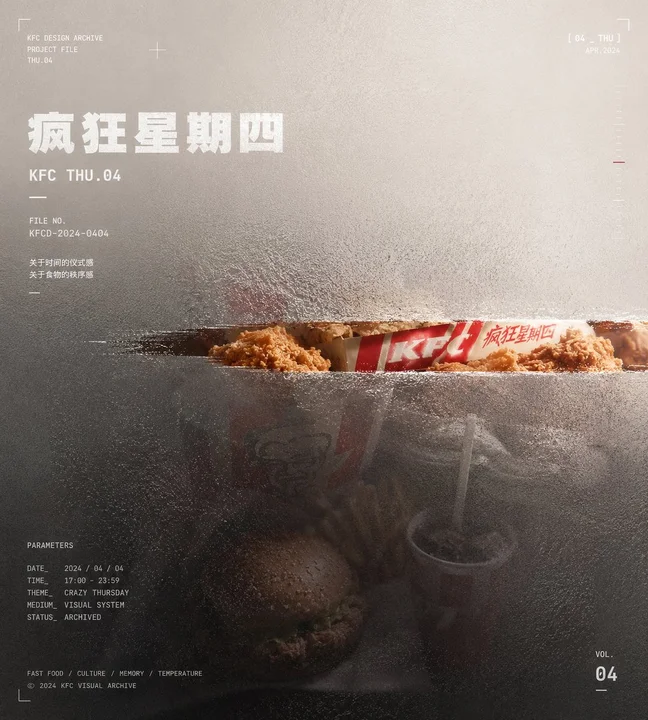 sample 02Illustration & Visual Styles · Glass · 007
正在计算符合当前颜色的内容…
VIP 收录全部风格 每周持续新增,开源的只是其中一小部分。
还没有通知
有新通知时会出现在这里。
批量管理
正在建设中,预计一周后内上线。
已选 0 组
点击卡片选择或取消,删除后无法恢复