

Open prompts
sample 02 AI Image Prompt
sample 02, its complete AI image prompt, and the Infographics & Visual Guides · Paper Texture · 143 style are free to view and copy.
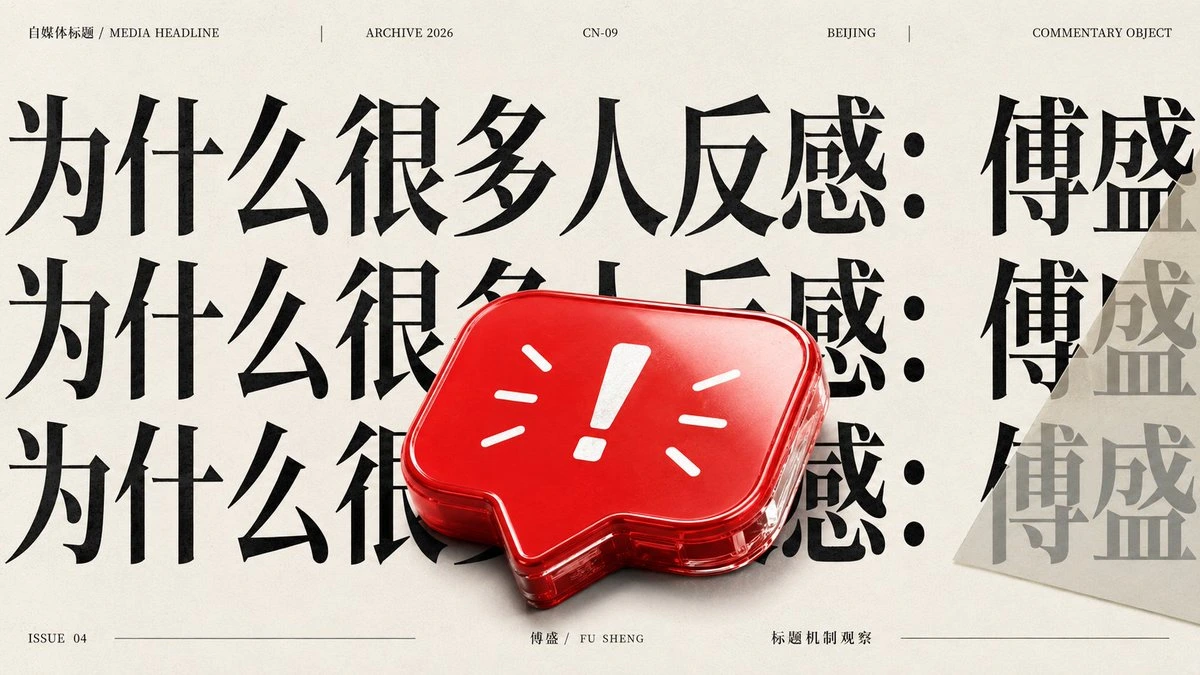
Complete AI image prompt
Build the first read from an oversized editorial statement repeated as a dense typographic field, with successive lines pressing into one another, continuing beyond the frame, and cropping selected glyphs so repetition behaves like a public echo rather than ornament. Use a high-contrast display construction native to the chosen writing system: forceful primary strokes, sharp terminals, controlled counters, and full orthographic legibility; allow a key phrase to jump scale and breach the underlying grid. Convert the theme's strongest symbol into a tangible piece of visual evidence and place it in front of the type at near-monumental scale, interrupting several words and taking optical command of the center. The evidence object may be a theme-derived artifact, emblem, or functional form, but it must have a decisive silhouette, believable thickness, precise seams, and coherent material construction. Render it from a gently elevated product-photography viewpoint with directional soft light, rounded highlights, internal depth where appropriate, and a broad contact shadow that makes the object physically rise from the printed field. Govern the space through dynamic equilibrium: the full-field lettering surrounds the central mass with greater total area, while the object wins through occlusion, material presence, and concentrated color; the eye strikes the object first, travels outward through interrupted headline rows, then settles on sparse archival details at the perimeter. Object count and copy length may follow the theme, but the relationships of evidence-over-type, repeated verbal pressure, central arrest, and off-frame continuation must remain. Set dense black ink against a warm ivory matte-paper field. Derive one saturated accent family from the theme's emotional temperature and material associations, confining it to the evidence object or its internal signal, while transparency, charcoal, gray, and paper white carry the rest; preserve the unequal extension contrast of a small vivid area against a broad neutral field. Choose transparent resin, glass, metal, textile, or another theme-authentic substance for the object, with reflections and refractions governed by its actual build. Introduce one or two translucent tracing-paper planes from an edge on a diagonal, passing over portions of type and object so repeated lettering falls into a pale gray echo; these planes must create foreground depth, editorial masking, and a controlled diagonal counterforce. Distribute tiny dates, issue codes, section labels, locations, notes, hairline rules, separators, and compact machine marks along the upper and lower margins, widely spaced and calmly aligned, using their minute scale to intensify the headline and object. Keep the paper field even and finely matte, ink coverage solid, letter edges crisp, object detail precise, and shadows soft, producing a restrained contemporary commentary language with forensic clarity and a sharp editorial stance.
Original style prompt
Build the first read from an oversized editorial statement repeated as a dense typographic field, with successive lines pressing into one another, continuing beyond the frame, and cropping selected glyphs so repetition behaves like a public echo rather than ornament. Use a high-contrast display construction native to the chosen writing system: forceful primary strokes, sharp terminals, controlled counters, and full orthographic legibility; allow a key phrase to jump scale and breach the underlying grid. Convert the theme's strongest symbol into a tangible piece of visual evidence and place it in front of the type at near-monumental scale, interrupting several words and taking optical command of the center. The evidence object may be a theme-derived artifact, emblem, or functional form, but it must have a decisive silhouette, believable thickness, precise seams, and coherent material construction. Render it from a gently elevated product-photography viewpoint with directional soft light, rounded highlights, internal depth where appropriate, and a broad contact shadow that makes the object physically rise from the printed field. Govern the space through dynamic equilibrium: the full-field lettering surrounds the central mass with greater total area, while the object wins through occlusion, material presence, and concentrated color; the eye strikes the object first, travels outward through interrupted headline rows, then settles on sparse archival details at the perimeter. Object count and copy length may follow the theme, but the relationships of evidence-over-type, repeated verbal pressure, central arrest, and off-frame continuation must remain. Set dense black ink against a warm ivory matte-paper field. Derive one saturated accent family from the theme's emotional temperature and material associations, confining it to the evidence object or its internal signal, while transparency, charcoal, gray, and paper white carry the rest; preserve the unequal extension contrast of a small vivid area against a broad neutral field. Choose transparent resin, glass, metal, textile, or another theme-authentic substance for the object, with reflections and refractions governed by its actual build. Introduce one or two translucent tracing-paper planes from an edge on a diagonal, passing over portions of type and object so repeated lettering falls into a pale gray echo; these planes must create foreground depth, editorial masking, and a controlled diagonal counterforce. Distribute tiny dates, issue codes, section labels, locations, notes, hairline rules, separators, and compact machine marks along the upper and lower margins, widely spaced and calmly aligned, using their minute scale to intensify the headline and object. Keep the paper field even and finely matte, ink coverage solid, letter edges crisp, object detail precise, and shadows soft, producing a restrained contemporary commentary language with forensic clarity and a sharp editorial stance.
More open images in the “Infographics & Visual Guides · Paper Texture · 143” style