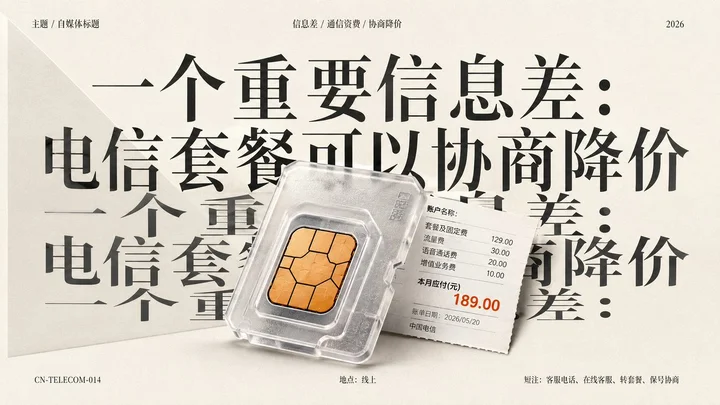
 sample 01Infographics & Visual Guides · Paper Texture · 143
prompt library
成员提示词库
-
套提示词风格
- 全量解锁提示词、参数与案例
- 持续上新新提示词与实用场景
- 作者答疑使用问题直接沟通
正在确认当前可用的年度方案…
zhishixingqiu
知识星球
扫码加入星球,持续获取提示词更新、插件资料和项目答疑;星球会员也可以解锁成员提示词库。
 扫码或点击加入知识星球
认识小小东
添加微信,获取提示词、插件、Skills 与 AI 出图支持

扫描,添加小小东个人微信
built by xiaoxiaodong
我开发的项目
谷歌插件和 GitHub 项目分开展示
16 个可用项目chrome web store
谷歌插件
github
GitHub 项目
正在计算符合当前颜色的内容…
你已看完 10 页免费内容
开通 VIP,解锁完整提示词库。
开源 Skills
Skills
浏览小小东开源的 Codex / Agent Skills。按现有瀑布流节奏展开,找到合适的能力后即可复制安装命令。
正在加载 Skills…
没有找到匹配的 Skill。
Open prompts
Infographics & Visual Guides
4 real examples in the Infographics & Visual Guides · Paper Texture · 143 style, with complete prompts available to copy without signing in.
Original style prompt
Build the first read from an oversized editorial statement repeated as a dense typographic field, with successive lines pressing into one another, continuing beyond the frame, and cropping selected glyphs so repetition behaves like a public echo rather than ornament. Use a high-contrast display construction native to the chosen writing system: forceful primary strokes, sharp terminals, controlled counters, and full orthographic legibility; allow a key phrase to jump scale and breach the underlying grid. Convert the theme's strongest symbol into a tangible piece of visual evidence and place it in front of the type at near-monumental scale, interrupting several words and taking optical command of the center. The evidence object may be a theme-derived artifact, emblem, or functional form, but it must have a decisive silhouette, believable thickness, precise seams, and coherent material construction. Render it from a gently elevated product-photography viewpoint with directional soft light, rounded highlights, internal depth where appropriate, and a broad contact shadow that makes the object physically rise from the printed field. Govern the space through dynamic equilibrium: the full-field lettering surrounds the central mass with greater total area, while the object wins through occlusion, material presence, and concentrated color; the eye strikes the object first, travels outward through interrupted headline rows, then settles on sparse archival details at the perimeter. Object count and copy length may follow the theme, but the relationships of evidence-over-type, repeated verbal pressure, central arrest, and off-frame continuation must remain. Set dense black ink against a warm ivory matte-paper field. Derive one saturated accent family from the theme's emotional temperature and material associations, confining it to the evidence object or its internal signal, while transparency, charcoal, gray, and paper white carry the rest; preserve the unequal extension contrast of a small vivid area against a broad neutral field. Choose transparent resin, glass, metal, textile, or another theme-authentic substance for the object, with reflections and refractions governed by its actual build. Introduce one or two translucent tracing-paper planes from an edge on a diagonal, passing over portions of type and object so repeated lettering falls into a pale gray echo; these planes must create foreground depth, editorial masking, and a controlled diagonal counterforce. Distribute tiny dates, issue codes, section labels, locations, notes, hairline rules, separators, and compact machine marks along the upper and lower margins, widely spaced and calmly aligned, using their minute scale to intensify the headline and object. Keep the paper field even and finely matte, ink coverage solid, letter edges crisp, object detail precise, and shadows soft, producing a restrained contemporary commentary language with forensic clarity and a sharp editorial stance.
sample 01Infographics & Visual Guides · Paper Texture · 143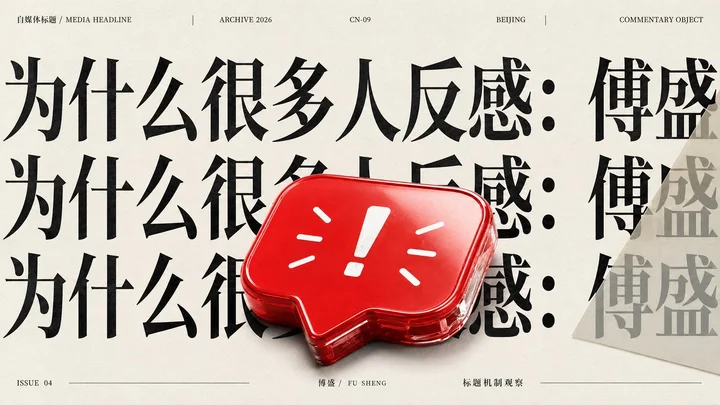 sample 02Infographics & Visual Guides · Paper Texture · 143
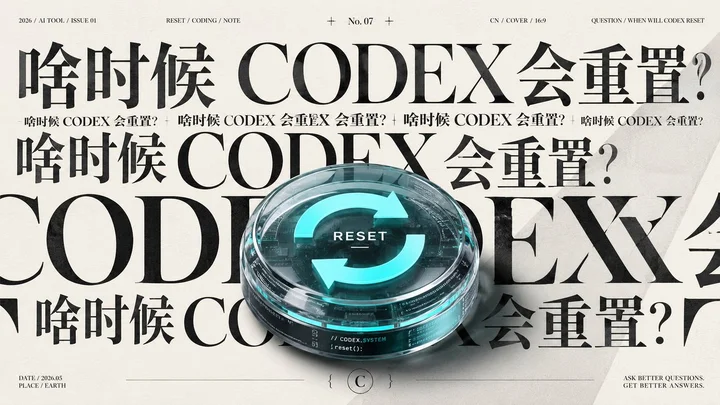 sample 03Infographics & Visual Guides · Paper Texture · 143
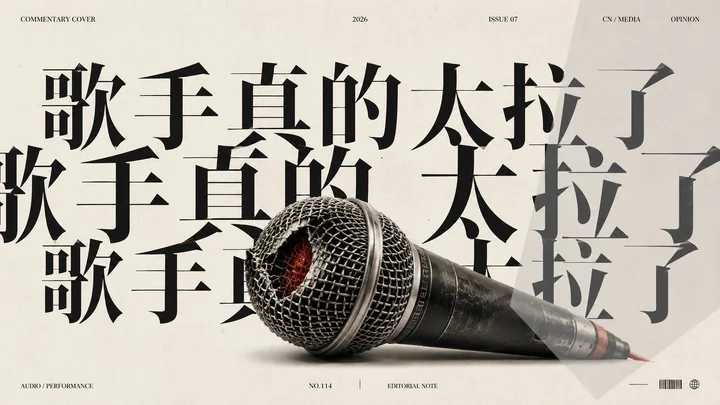 sample 04Infographics & Visual Guides · Paper Texture · 143
正在计算符合当前颜色的内容…
VIP 收录全部风格 每周持续新增,开源的只是其中一小部分。
还没有通知
有新通知时会出现在这里。
批量管理
正在建设中,预计一周后内上线。
已选 0 组
点击卡片选择或取消,删除后无法恢复