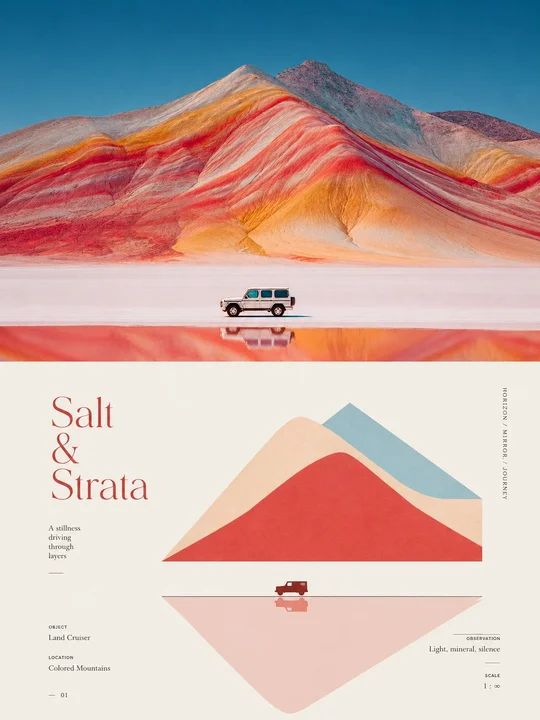
 sample 01Photo Restyling · Printmaking · 3D · 202
prompt library
成员提示词库
-
套提示词风格
- 全量解锁提示词、参数与案例
- 持续上新新提示词与实用场景
- 作者答疑使用问题直接沟通
正在确认当前可用的年度方案…
zhishixingqiu
知识星球
扫码加入星球,持续获取提示词更新、插件资料和项目答疑;星球会员也可以解锁成员提示词库。
 扫码或点击加入知识星球
认识小小东
添加微信,获取提示词、插件、Skills 与 AI 出图支持

扫描,添加小小东个人微信
built by xiaoxiaodong
我开发的项目
谷歌插件和 GitHub 项目分开展示
16 个可用项目chrome web store
谷歌插件
github
GitHub 项目
正在计算符合当前颜色的内容…
你已看完 10 页免费内容
开通 VIP,解锁完整提示词库。
开源 Skills
Skills
浏览小小东开源的 Codex / Agent Skills。按现有瀑布流节奏展开,找到合适的能力后即可复制安装命令。
正在加载 Skills…
没有找到匹配的 Skill。
Open prompts
Photo Restyling
8 real examples in the Photo Restyling · Printmaking · 3D · 202 style, with complete prompts available to copy without signing in.
Original style prompt
Build a two-register visual study in which one subject passes from witnessed reality into editorial interpretation. Give the upper register the dominant visual weight through full-bleed documentary photography: a lucid environment with legible terrain, architecture, interior space, weather, light, or material relationships, organized by a calm horizon or a forceful structural axis, with broad depth and one very small yet unmistakable subject carrier establishing stillness, distance, and scale. At a decisive boundary, open the lower register into a warm paper-white field with expansive breathing room, then restate the photograph's defining silhouette, route, reflection, illumination, or directional force as a sparse thematic diagram. The two registers must cause each other: when the subject's identity is structural, compress it into overlapping circles, arcs, rectangles, inclined planes, cutout voids, continuous contours, flat ink shapes, and restrained translucent overlaps; when its identity is kinetic or atmospheric, let fine lines, sweeping trajectories, and point impressions move around a reduced subject emblem, shifting from concentrated to dispersed density so speed, wind, water, or spatial pressure becomes visible. Select one of these grammars as dominant and let the other appear only as a quiet support. Preserve a small recurring subject symbol as the scale anchor between photograph and abstraction. Govern the composition through dynamic opposition: dense image against open diagram, monumental setting against minute carrier, physical evidence against distilled explanation. The eye should enter through the photographic world, cross the clean division, travel along the principal contour or flow field, and settle on sparse marginal information; isolate the central diagram while metadata withdraws to corners and side edges. Derive color from the photographed subject and its emotional temperature: allow natural chroma and full tonal depth above, then reduce the lower register to one to three flat spot inks, assigning the thematic hue to the diagram, a dark structural tone to type and anchors, and paper white to silence, with strongly unequal color areas and only a minute contrasting marker. Use restrained field-archive typography: either a large high-contrast serif display or an airy condensed sans entry, supported by tiny monospaced or widely tracked uppercase metadata, brief captions, observation numbers, coordinate-like data, short rules, and occasional vertical marginal notes. Generate all wording from the subject's place, time, condition, observation, and scale; keep valid target-script anatomy, crisp terminals, measured spacing, and a clear hierarchy. In the lower register, use lightly warm uncoated fiber paper and flat spot ink whose absorption creates fine broken deposits and controlled density falloff only inside the diagrammatic marks, while the broad paper field, letterforms, and geometric boundaries remain even and precise. Keep the photograph optically clear, sharply resolved, and natural, producing a quiet, analytical, collectible visual research artifact.
sample 01Photo Restyling · Printmaking · 3D · 202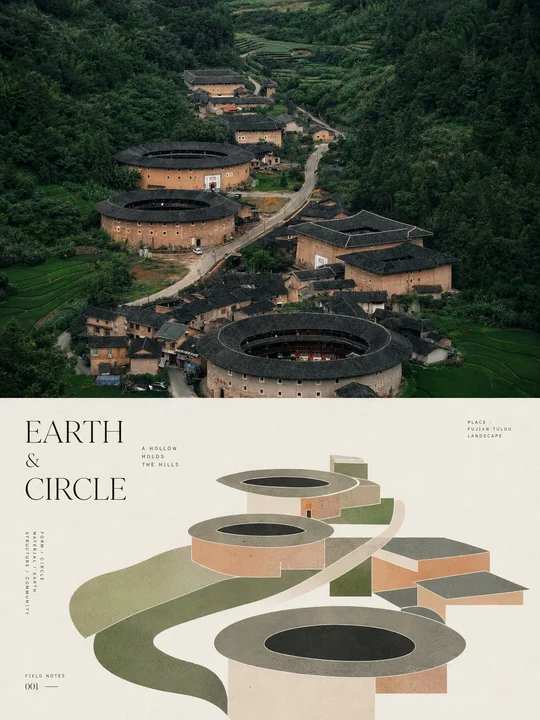 sample 02Photo Restyling · Printmaking · 3D · 202
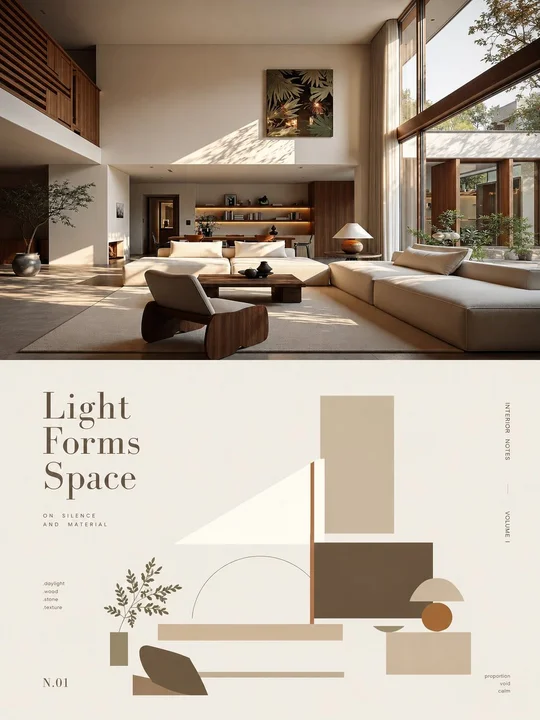 sample 03Photo Restyling · Printmaking · 3D · 202
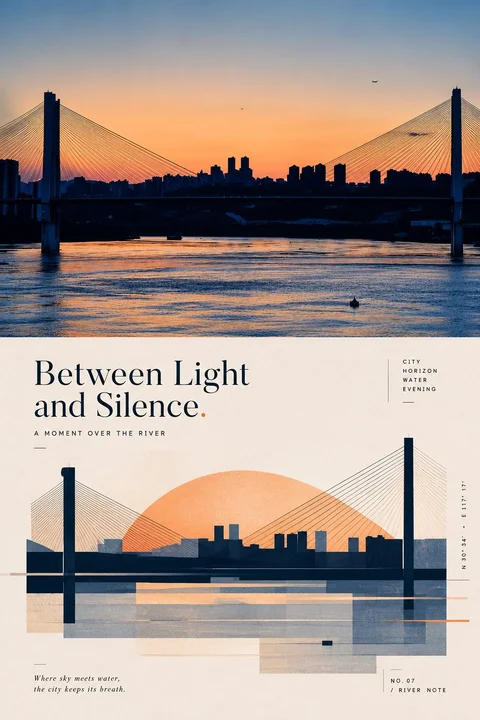 sample 04Photo Restyling · Printmaking · 3D · 202
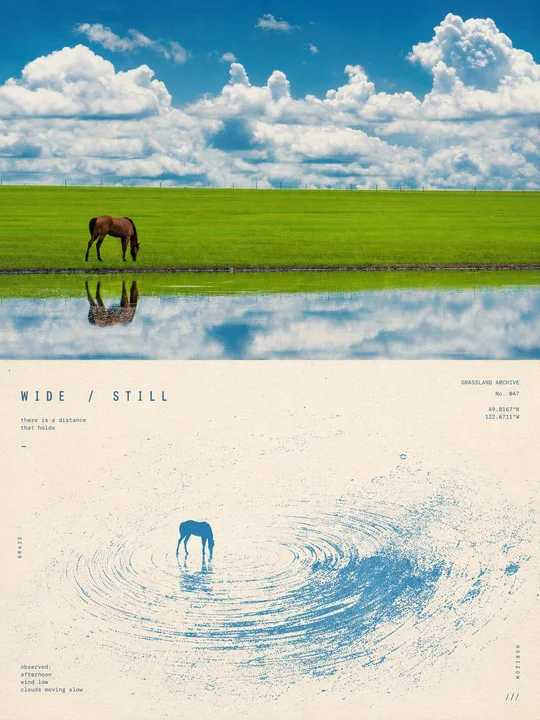 sample 05Photo Restyling · Printmaking · 3D · 202
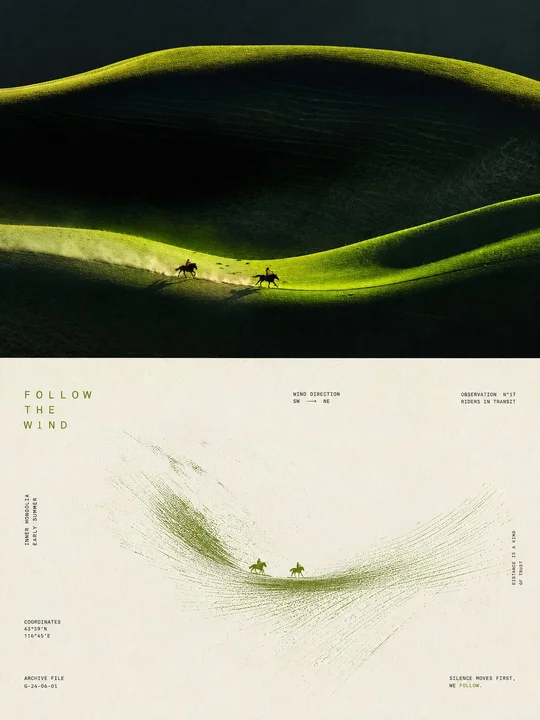 sample 06Photo Restyling · Printmaking · 3D · 202
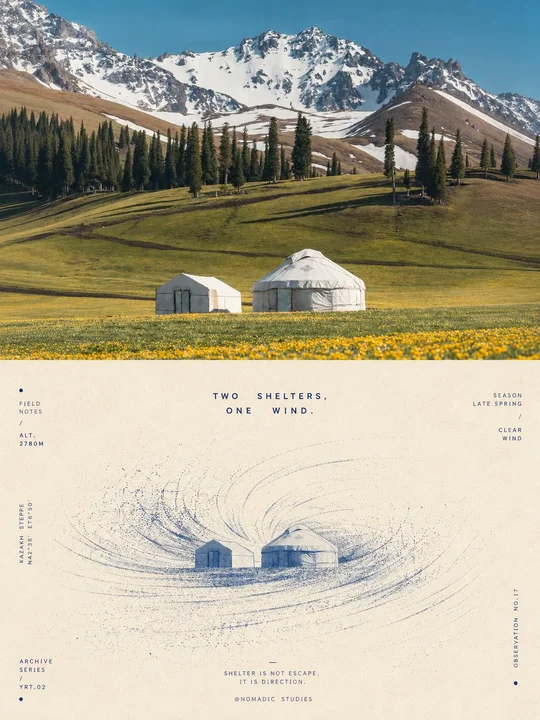 sample 07Photo Restyling · Printmaking · 3D · 202
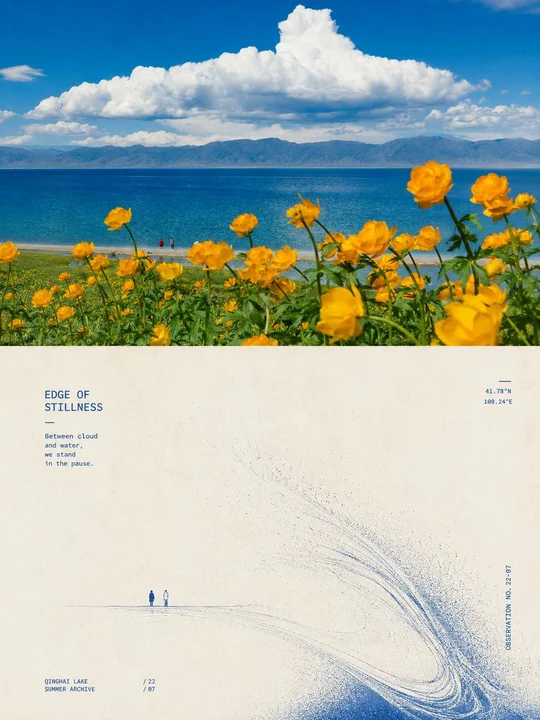 sample 08Photo Restyling · Printmaking · 3D · 202
正在计算符合当前颜色的内容…
VIP 收录全部风格 每周持续新增,开源的只是其中一小部分。
还没有通知
有新通知时会出现在这里。
批量管理
正在建设中,预计一周后内上线。
已选 0 组
点击卡片选择或取消,删除后无法恢复