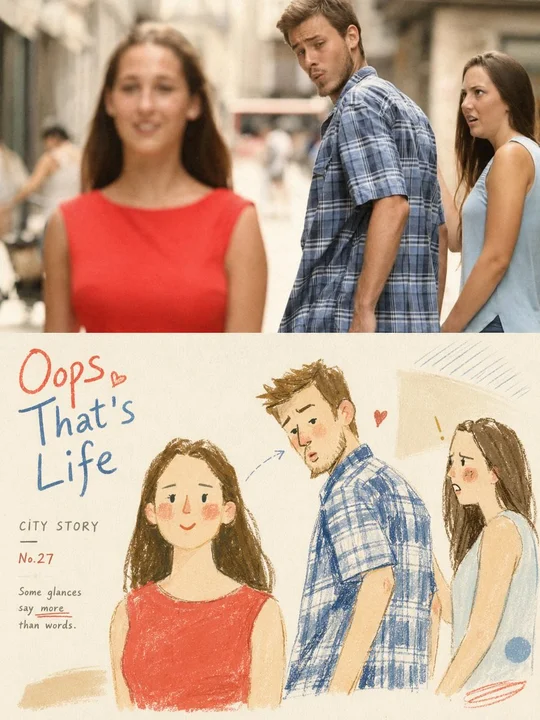
 sample 01Photo Restyling · Watercolor · Vector · 215
prompt library
成员提示词库
-
套提示词风格
- 全量解锁提示词、参数与案例
- 持续上新新提示词与实用场景
- 作者答疑使用问题直接沟通
正在确认当前可用的年度方案…
zhishixingqiu
知识星球
扫码加入星球,持续获取提示词更新、插件资料和项目答疑;星球会员也可以解锁成员提示词库。
 扫码或点击加入知识星球
认识小小东
添加微信,获取提示词、插件、Skills 与 AI 出图支持

扫描,添加小小东个人微信
built by xiaoxiaodong
我开发的项目
谷歌插件和 GitHub 项目分开展示
16 个可用项目chrome web store
谷歌插件
github
GitHub 项目
正在计算符合当前颜色的内容…
你已看完 10 页免费内容
开通 VIP,解锁完整提示词库。
开源 Skills
Skills
浏览小小东开源的 Codex / Agent Skills。按现有瀑布流节奏展开,找到合适的能力后即可复制安装命令。
正在加载 Skills…
没有找到匹配的 Skill。
Open prompts
Photo Restyling
7 real examples in the Photo Restyling · Watercolor · Vector · 215 style, with complete prompts available to copy without signing in.
Original style prompt
Build the subject as a paired documentary-and-drawn narrative, with two adjacent fields of nearly equal visual authority. The photographic field captures an unforced real instant with credible people or objects, gesture, contact, setting, ambient light, depth, and natural color; the paper field interprets that same instant instead of tracing it, selecting contours, stripping away the setting, and heightening posture and relationships until they read as an authored emotional annotation. Preserve an immediate correspondence through silhouette, facing direction, touch points, or a shared action axis, so the eye recognizes evidence first and discovers implication in the drawing second. Let the photograph press fully into its field while the drawn subject is isolated by generous paper white; move sparse lettering and symbolic marks toward the margins as light counterweights. Hold an asymmetrical dynamic equilibrium by allowing the drawn figure to slip off the optical center, break an implied column, or send a continuous line beyond the frame. Illustration moves within a tightly controlled range set by the subject's emotional temperature: warmer intimacy uses dry crayon and colored-pencil strokes, short layered marks, translucent blocks, gently naïve proportions, readable expressions, and loosened edges; sharper restraint reduces the subject to hairline black-ink contours, a near-continuous wandering stroke, and the minimum detail needed for recognition. Derive one long connective line from the subject's relationships, resistance, or attachment. It may become a contour, ground cue, or motion path, coil through the figures, tighten into overlaps around the active center, and form a few short barbs only at meaningful pressure points; let it relax into open curves across the surrounding white. Keep it subordinate as a sparse directional trace when the mood is tender, and let it become the governing route when tension rises. Draw the reduced palette from the photographed event: one dominant theme hue, one support hue, and one small warm-cool counteraccent, all quieter and fewer in the illustration; for a more conceptual reading, compress the system to paper white, black ink, and a rare theme-colored mark. Use warm matte natural-fiber paper. Dry pigment may catch and skip within the filled subject so small areas of paper tooth show through, while the ink-only regions remain fine, continuous, and sharply legible and the open field stays luminous. Typography supplies editorial rhythm rather than the subject: pair one large hand-lettered phrase with uneven baseline, changing pressure, and open spacing with tiny typewriter-like captions, numbering, or locational metadata. Adapt stroke anatomy and spacing to the valid structure of the chosen writing system, reduce copy according to the theme's information hierarchy, and keep the photograph-to-drawing correspondence as the first read. The result should feel like a private sketchbook meeting restrained editorial art direction: reality supplies proof, drawing supplies interpretation, and the barbed wandering line makes connection, pull, and pressure visible.
sample 01Photo Restyling · Watercolor · Vector · 215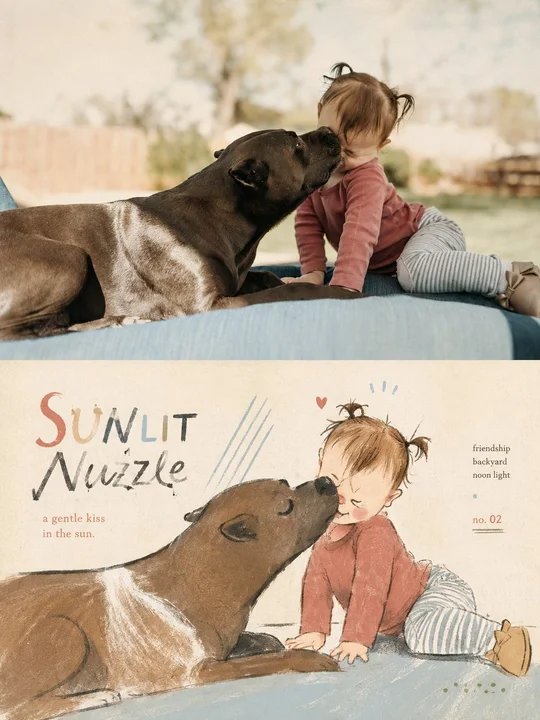 sample 02Photo Restyling · Watercolor · Vector · 215
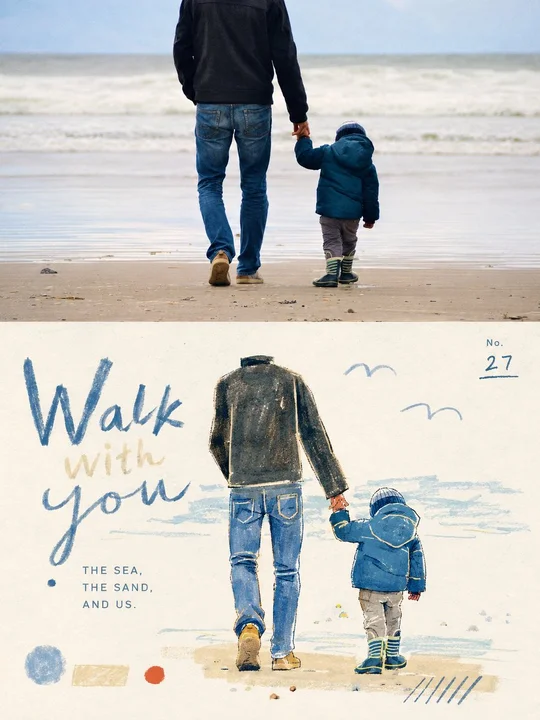 sample 03Photo Restyling · Watercolor · Vector · 215
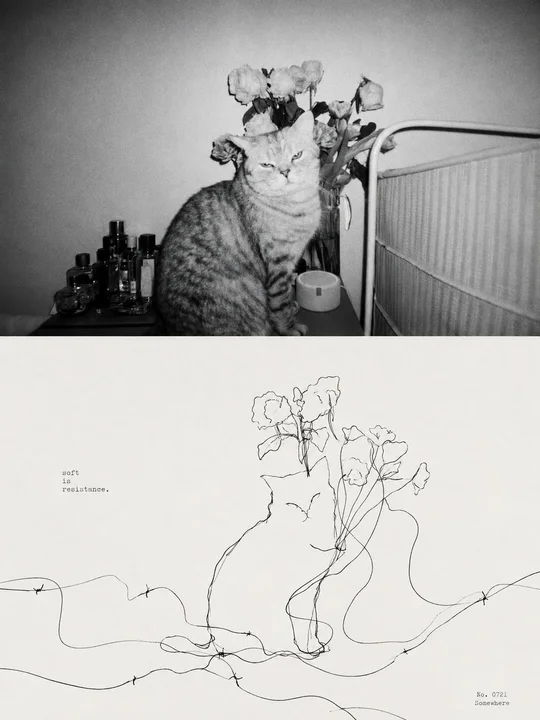 sample 04Photo Restyling · Watercolor · Vector · 215
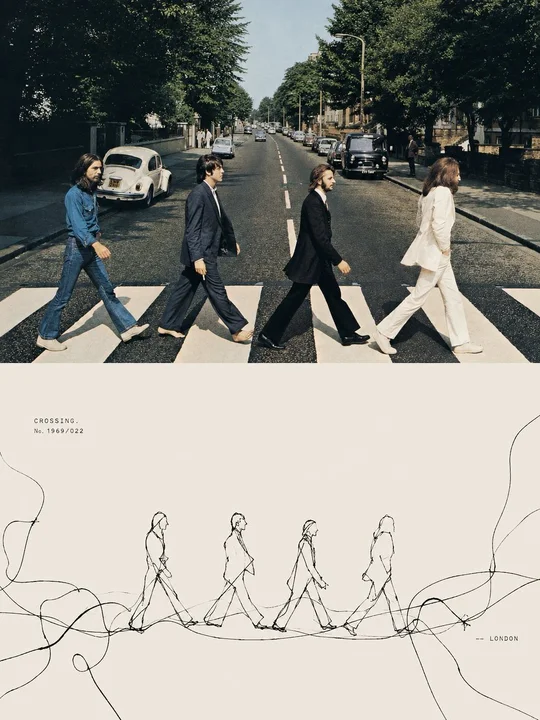 sample 05Photo Restyling · Watercolor · Vector · 215
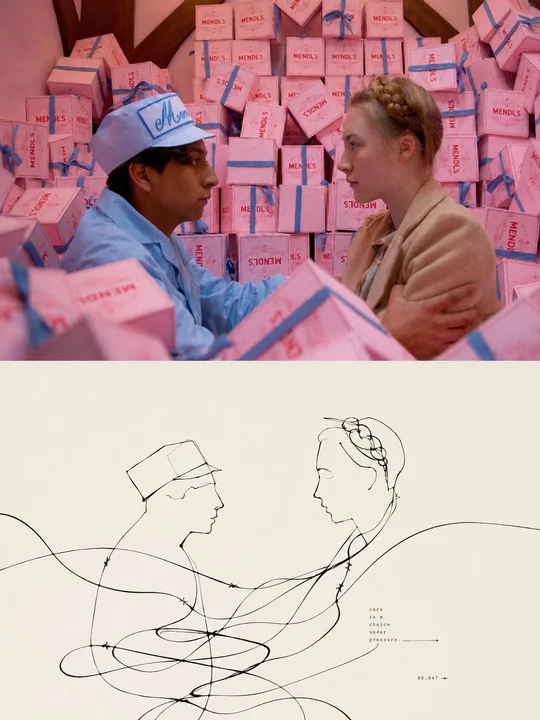 sample 06Photo Restyling · Watercolor · Vector · 215
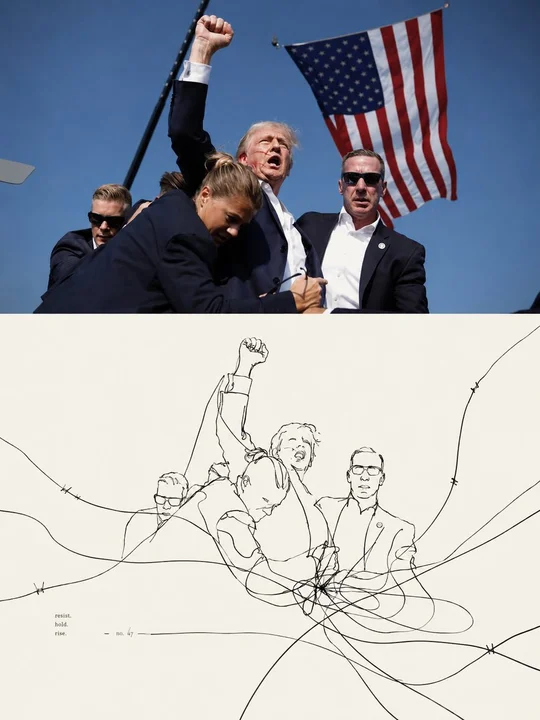 sample 07Photo Restyling · Watercolor · Vector · 215
正在计算符合当前颜色的内容…
VIP 收录全部风格 每周持续新增,开源的只是其中一小部分。
还没有通知
有新通知时会出现在这里。
批量管理
正在建设中,预计一周后内上线。
已选 0 组
点击卡片选择或取消,删除后无法恢复