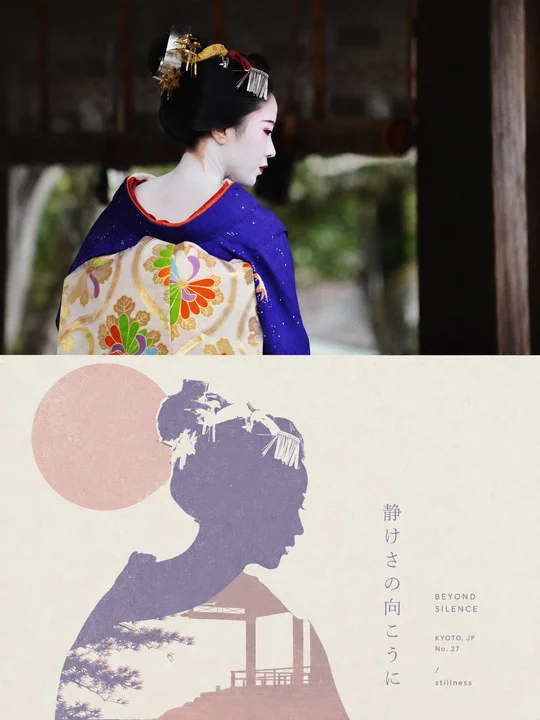
 en sample 01XXD Panel 025 · Invisible Imagery
prompt library
成员提示词库
-
套提示词风格
- 全量解锁提示词、参数与案例
- 持续上新新提示词与实用场景
- 作者答疑使用问题直接沟通
正在确认当前可用的年度方案…
zhishixingqiu
知识星球
扫码加入星球,持续获取提示词更新、插件资料和项目答疑;星球会员也可以解锁成员提示词库。
 扫码或点击加入知识星球
认识小小东
添加微信,获取提示词、插件、Skills 与 AI 出图支持

扫描,添加小小东个人微信
built by xiaoxiaodong
我开发的项目
谷歌插件和 GitHub 项目分开展示
16 个可用项目chrome web store
谷歌插件
github
GitHub 项目
正在计算符合当前颜色的内容…
你已看完 10 页免费内容
开通 VIP,解锁完整提示词库。
开源 Skills
Skills
浏览小小东开源的 Codex / Agent Skills。按现有瀑布流节奏展开,找到合适的能力后即可复制安装命令。
正在加载 Skills…
没有找到匹配的 Skill。
Open prompts
XXD Panel 025
12 real examples in the XXD Panel 025 · Invisible Imagery style, with complete prompts available to copy without signing in.
Original style prompt
Please make every photo I upload into its own standalone high-end design poster; no multi-image collages, each photo output separately. The overall composition uses a 3:4 vertical format, with the upper and lower zones strictly 1:1 in height, each taking up 50% of the frame.

The upper half keeps the original photo, preserving the subject's structure, real texture, natural light and shadow, and original color atmosphere, applying only a slight high-end photographic color grade so that it has the texture of art magazines, independent publications, and exhibition photography. To fit the frame, the sky, ground, or environmental background may be extended naturally, but the subject must not be stretched, distorted, or altered.

The lower half extracts the most recognizable **subject, outline, pose, and narrative relationships** from the photo and reconstructs them as a minimalist Gestalt positive-negative form screen print. Preserve the subject's most distinctive outer contour while distilling from the original image an environment, structure, object, or symbolic image most closely related to it, allowing the two to merge into one complete graphic through **interlocking contours, negative-space cutouts, shared boundaries, and figure-ground reversal**: from a distance, the subject is recognized first; only up close is another scene or image discovered hidden within. Do not simply superimpose the two objects; instead, let the edge of one shape naturally become the boundary of the other.

Keep the composition to a **single visual anchor, clear silhouette, and large areas of negative space**. Determine its position according to the subject's own pose, orientation, center of gravity, and contour flow; an off-center placement, partial cropping, vertical nesting, or edge alignment may be used to create a clever visual transition between positive and negative forms. Supporting elements must be extremely few, so that the visual interest comes primarily from the instantaneous shift between “what is seen” and “what is seen again,” rather than from complex decoration.

Use a soothing, soft, and sophisticated **Morandi pastel system**, referencing the low-saturation color logic of dreamlike architectural spaces: mist pink, soft apricot, gray-green, sage, pale terracotta, cream yellow, mist blue, gray-purple, and similar shades coordinated with one another. Use a light paper surface as the base, selecting the most spirited color relationships from the original photo and softening and reorganizing them. Keep the overall palette to 2–4 colors, establishing layers through combined color temperature, differences in value, and proportions of area. Colors should be clean, soft, and airy; avoid muddy gray, heavy distressed aging, fluorescent colors, and high-contrast commercial color schemes.

Retain slight paper fibers, screen-printing grain, ink coverage, and registration offsets to give the graphic a genuine printmaking tactility, while keeping edges crisp and color blocks flat. Do not use gradients, 3D volume, realistic shadows, or a smooth CG texture.

Text also participates in the positive-negative form composition. Distill a short title from the photo's **identity, location, action, emotion, state, or symbolic meaning**, paired with a very small amount of location, numbering, state words, or micro-annotations. Text may be arranged along the subject's contour, the boundary of the negative form, a horizontal baseline, or the axis of the negative space; it may also be partially embedded in the graphic, interrupted by a contour, or occluded by a color block, making the text feel like part of the print structure rather than a title added afterward. Keep the overall treatment small, restrained, intelligent, and imbued with a sophisticated editorial feel.

The overall presentation combines the visual temperament of **minimalist geometry, Gestalt optical illusion, soft Morandi colors, screen printing, and poetic narrative**. Whether the subject is a person, animal, plant, building, object, vehicle, or natural landscape, it should maintain the dual reading experience of “recognize the subject at first glance, discover the hidden image at second glance,” avoiding multiple parallel focal points, direct collage, complex illustration, a cartoon feel, a commercial promotional feel, and a template feel.
en sample 01XXD Panel 025 · Invisible Imagery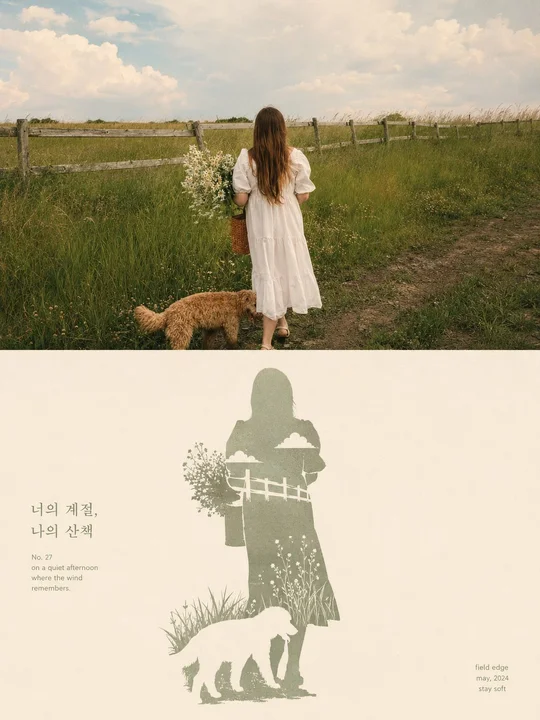 en sample 02XXD Panel 025 · Invisible Imagery
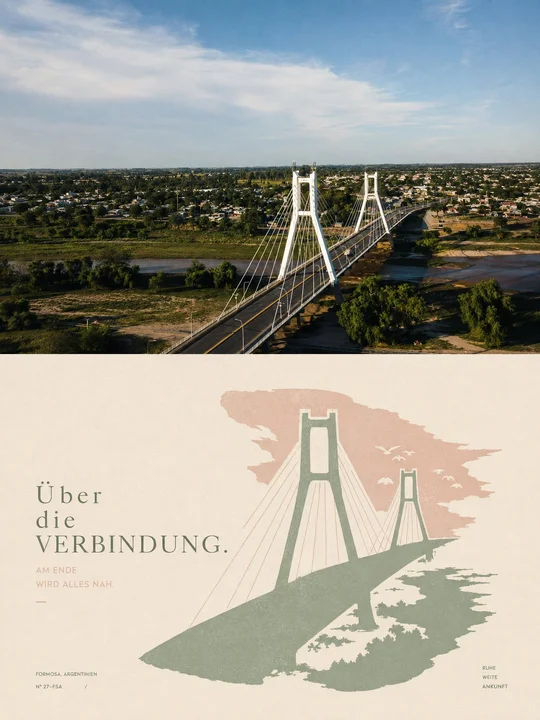 en sample 03XXD Panel 025 · Invisible Imagery
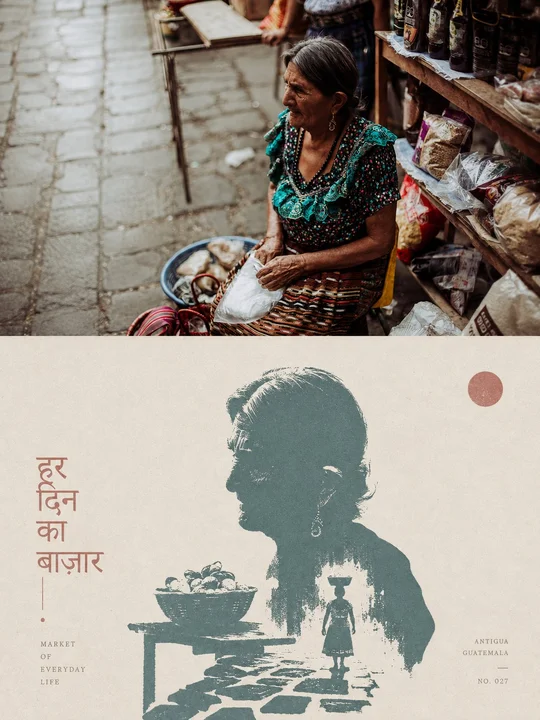 en sample 04XXD Panel 025 · Invisible Imagery
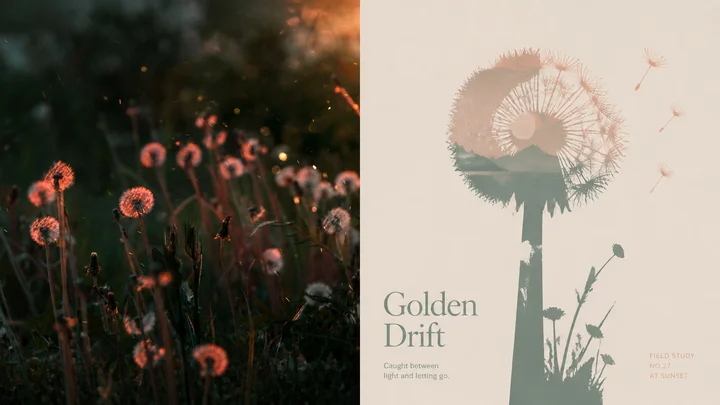 en sample 05XXD Panel 025 · Invisible Imagery
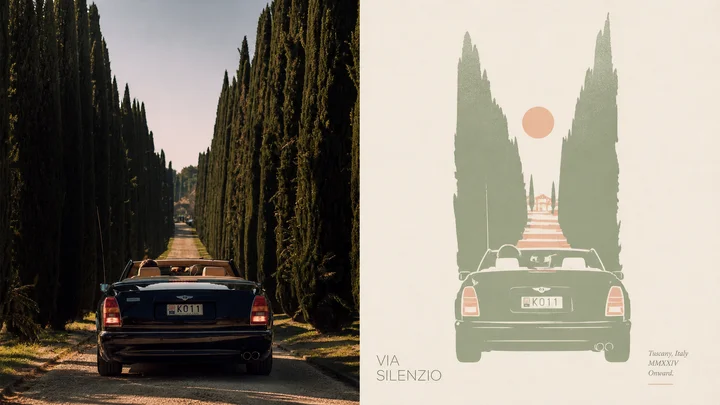 en sample 06XXD Panel 025 · Invisible Imagery
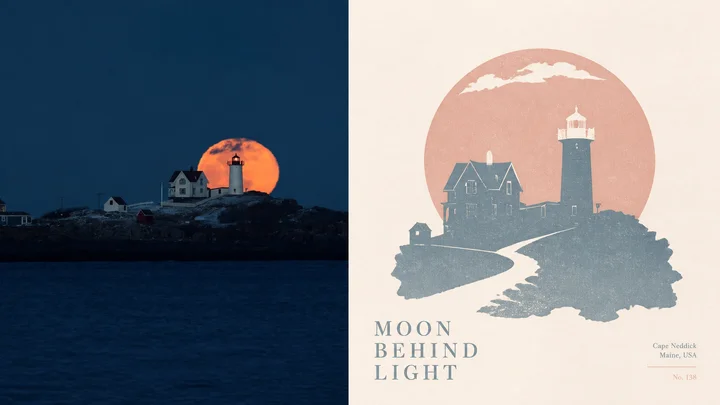 en sample 07XXD Panel 025 · Invisible Imagery
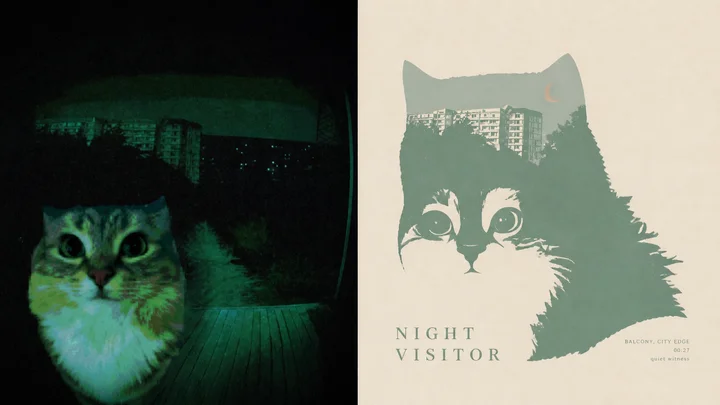 en sample 08XXD Panel 025 · Invisible Imagery
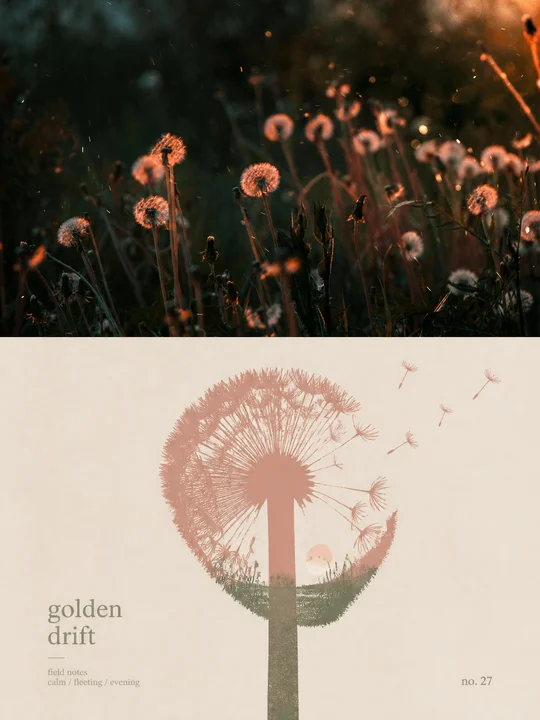 en sample 09XXD Panel 025 · Invisible Imagery
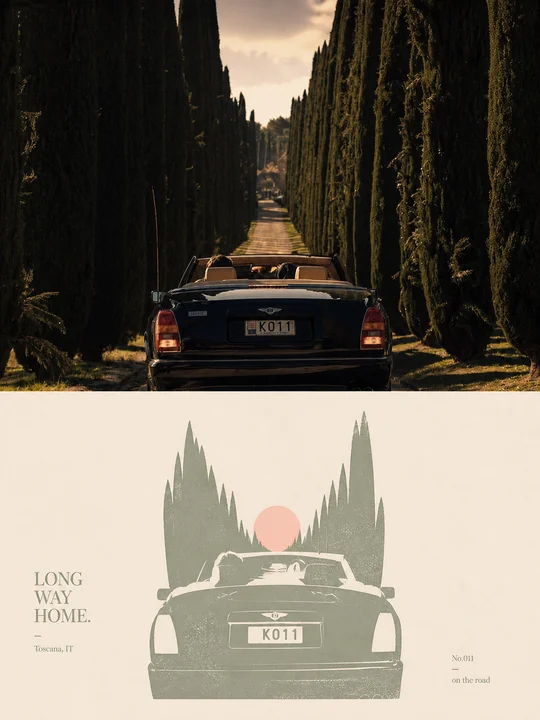 en sample 10XXD Panel 025 · Invisible Imagery
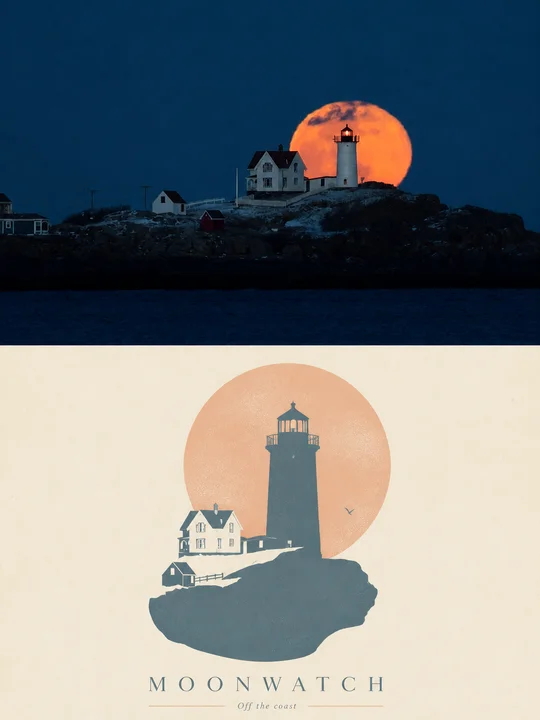 en sample 11XXD Panel 025 · Invisible Imagery
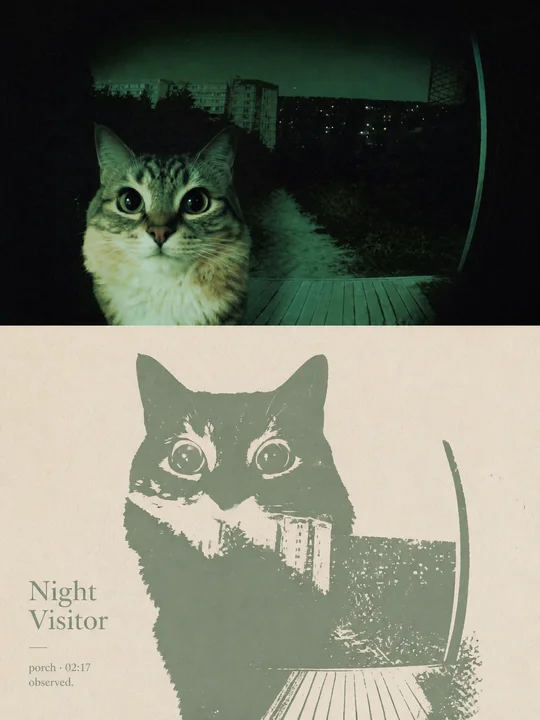 en sample 12XXD Panel 025 · Invisible Imagery
正在计算符合当前颜色的内容…
VIP 收录全部风格 每周持续新增,开源的只是其中一小部分。
还没有通知
有新通知时会出现在这里。
批量管理
正在建设中,预计一周后内上线。
已选 0 组
点击卡片选择或取消,删除后无法恢复