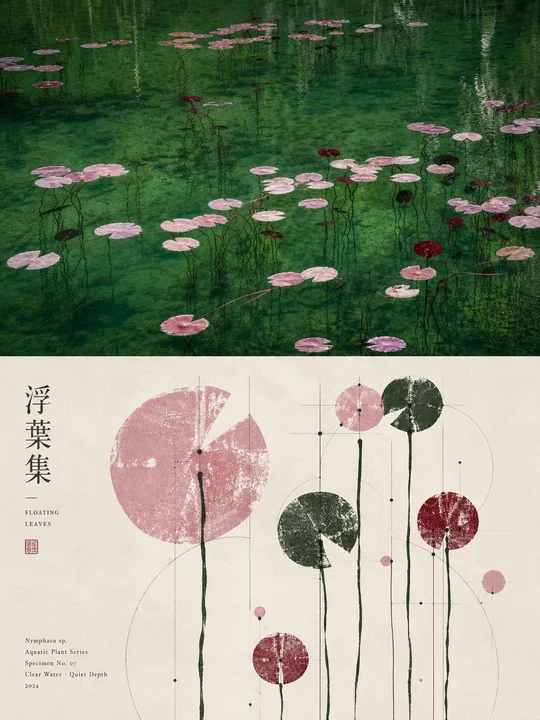
 en sample 01XXD Panel 031 · Allegorical Rubbing
prompt library
成员提示词库
-
套提示词风格
- 全量解锁提示词、参数与案例
- 持续上新新提示词与实用场景
- 作者答疑使用问题直接沟通
正在确认当前可用的年度方案…
zhishixingqiu
知识星球
扫码加入星球,持续获取提示词更新、插件资料和项目答疑;星球会员也可以解锁成员提示词库。
 扫码或点击加入知识星球
认识小小东
添加微信,获取提示词、插件、Skills 与 AI 出图支持

扫描,添加小小东个人微信
built by xiaoxiaodong
我开发的项目
谷歌插件和 GitHub 项目分开展示
16 个可用项目chrome web store
谷歌插件
github
GitHub 项目
正在计算符合当前颜色的内容…
你已看完 10 页免费内容
开通 VIP,解锁完整提示词库。
开源 Skills
Skills
浏览小小东开源的 Codex / Agent Skills。按现有瀑布流节奏展开,找到合适的能力后即可复制安装命令。
正在加载 Skills…
没有找到匹配的 Skill。
Open prompts
XXD Panel 031
14 real examples in the XXD Panel 031 · Allegorical Rubbing style, with complete prompts available to copy without signing in.
Original style prompt
Please make every photo I upload into its own standalone high-end design poster; no multi-image collages, each photo output separately. The overall composition uses a 3:4 vertical format, with the upper and lower zones strictly 1:1 in height, each taking up 50% of the frame.

The upper half keeps the original photo, preserving the subject's structure, real texture, natural light and shadow, and original color atmosphere, applying only a slight high-end photographic color grade so that it carries the texture of art publications and exhibition photography. To fit the frame, the sky, ground, or environmental background may be extended naturally, but the subject must not be stretched, distorted, or altered.

The lower half extracts the most recognizable **subject, outline, pose, and narrative relationships** from the photo, first understands their core meaning, cultural attributes, or emotional relationships, and then reconstructs them into a graphic composition with the character of folk-art catalogs, antiquarian rubbings, and modern graphic design. Do not translate the elements in the photo one by one, and do not add generic traditional patterns; retain only **one core visual motif and a very small number of supporting forms that truly carry narrative meaning**. Through silhouette, negative shape, partial enlargement, form merging, and symbolic translation, make the graphics both correspond to the original object and express the meaning behind it.

The composition is built on a rigorous **geometric framework and proportional system**. Based on the subject's own structure, distill circles, squares, triangles, arcs, axes, or repeated proportions as the “geometric matrix,” then make all subjects, supporting graphics, text, and negative space relate to it through alignment, tangency, shared axes, nesting, mirroring, proportional progression, or boundary cropping. The layout may be freely distributed, eccentric, extend beyond boundaries, or asymmetrical, but it must share the same structural logic, forming a clear visual center of gravity, hierarchy, rhythm, and negative space; its order should be clear from afar, with traditional imprints and variations in detail becoming apparent only up close. Avoid random scattered points and decorative accumulation.

Extract from the upper photo the colors with the greatest recognizability, vitality, and spiritual character, and reorganize them into a fresh, restrained palette of paper-printing colors. Use a bright, pale paper ground to create breathing room, establish the visual framework with one dark color, then organize the subject and a small number of accents with 1–2 thematic colors derived from the original image. Build hierarchy through area proportions, overprinting, and value relationships. The colors should be clean and spirited; avoid dirty gray faux-aging, fixed folk color schemes, and cluttered multicolor palettes.

The material uses a hybrid texture of **woodcut rubbing, dry-brushed screen printing, and old-style catalog printing**. Broken ink, scuff marks, exposed ground, and uneven ink volume occur mainly inside the graphics, while geometric boundaries, important contours, and the overall layout remain clear and precise, creating a contrast of “rough materiality × rigorous geometric order.”

Text serves only as supporting information within the composition. Distill a small amount of titling and micro-annotations from the photo's theme, meaning, or cultural attributes. They may be freely arranged along geometric axes, negative shapes, or graphic boundaries, forming aligned, nested, or interwoven relationships with the subject, but must not seize the visual center.

The overall presentation has a visual character in which **meaning comes first, graphics are restrained, geometry is rigorous, rubbings are rough, negative space is clear, and a sense of traditional culture coexists with modern design order**. Every graphic that appears must have a source, a meaning, and a structural function; remove decorative elements that cannot enhance understanding of the theme, and avoid asset collage, arbitrary insertion of traditional symbols, evenly distributed layouts, realistic illustration, and a templated feel.
en sample 01XXD Panel 031 · Allegorical Rubbing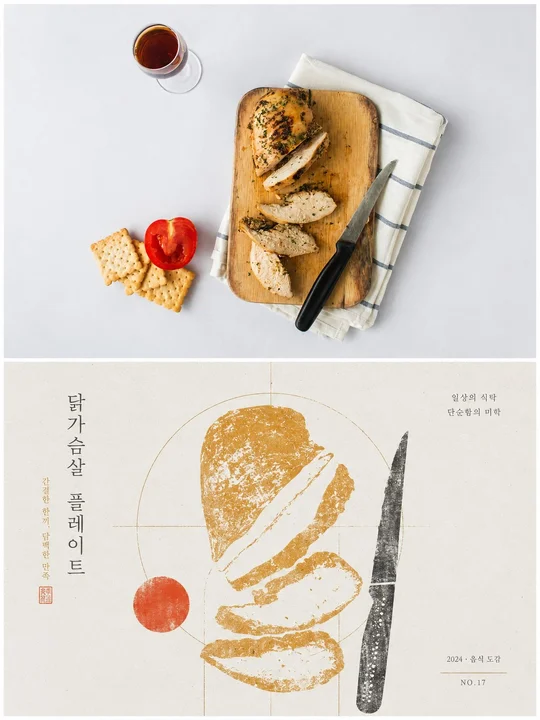 en sample 02XXD Panel 031 · Allegorical Rubbing
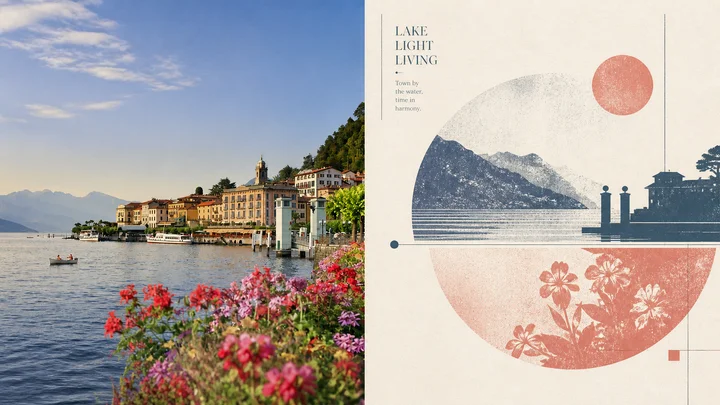 en sample 05XXD Panel 031 · Allegorical Rubbing
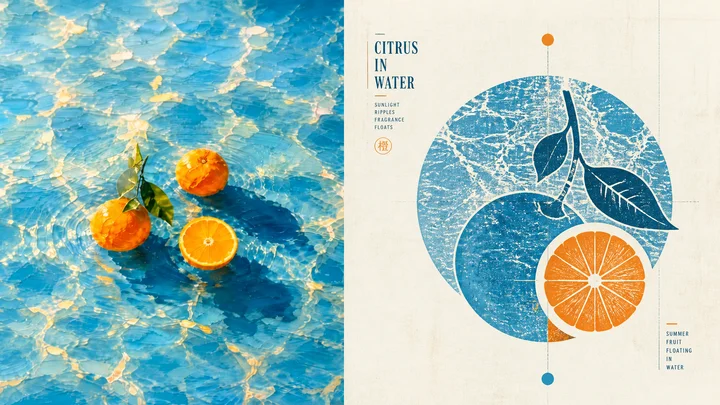 en sample 06XXD Panel 031 · Allegorical Rubbing
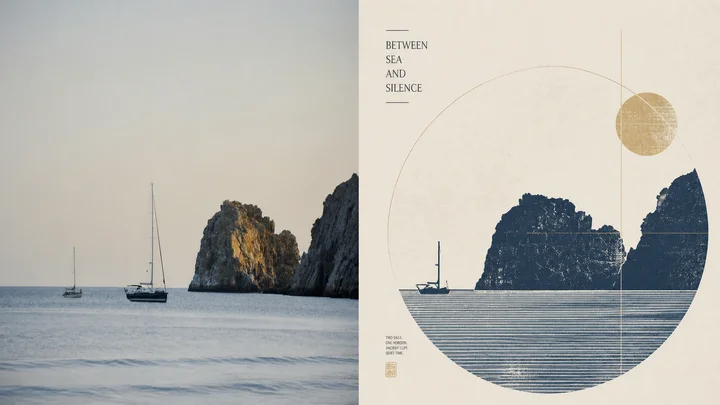 en sample 07XXD Panel 031 · Allegorical Rubbing
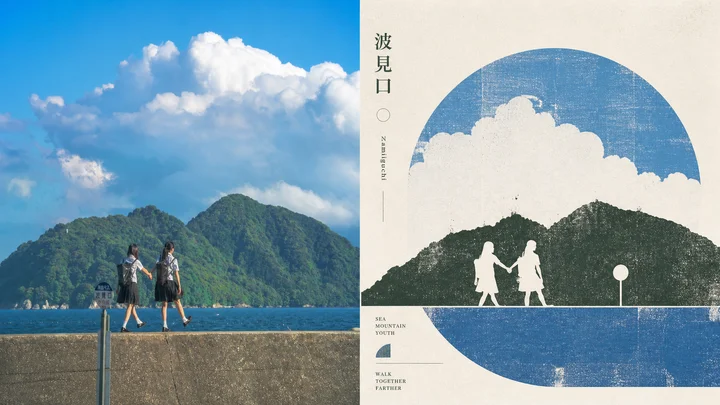 en sample 08XXD Panel 031 · Allegorical Rubbing
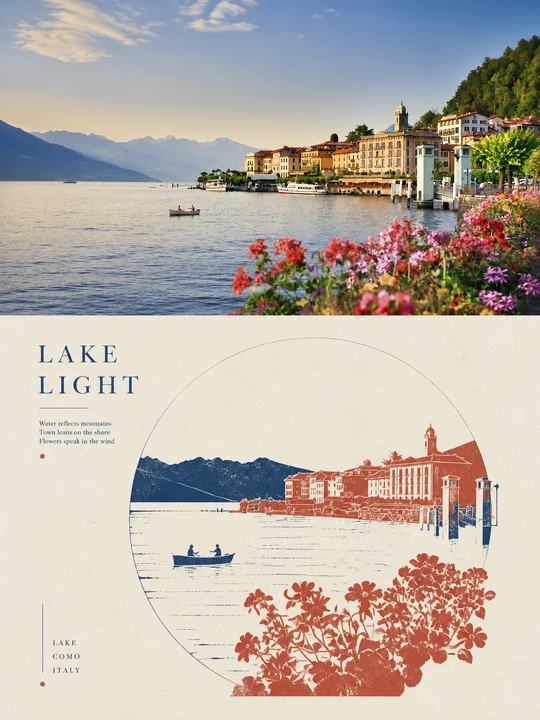 en sample 09XXD Panel 031 · Allegorical Rubbing
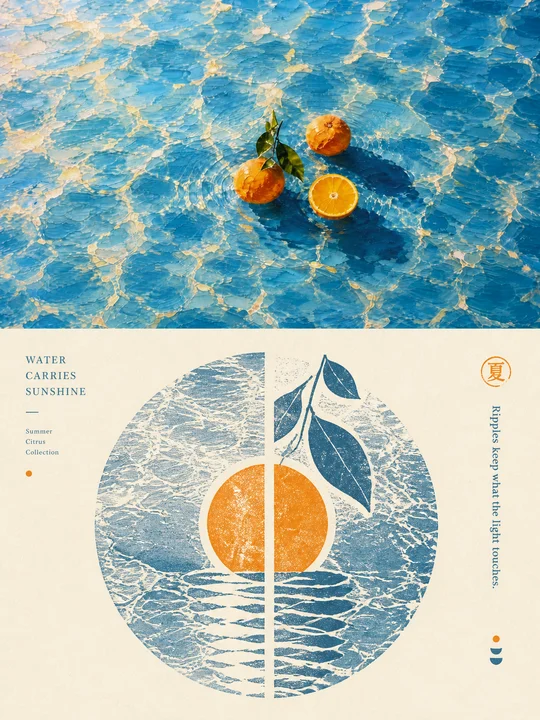 en sample 10XXD Panel 031 · Allegorical Rubbing
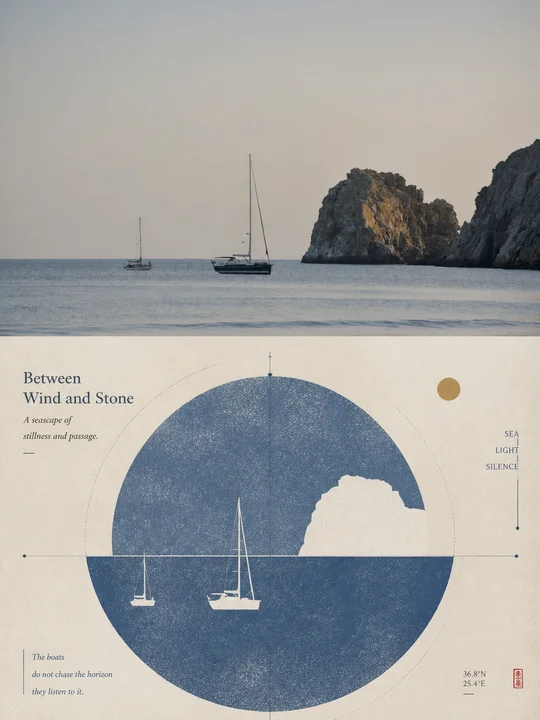 en sample 11XXD Panel 031 · Allegorical Rubbing
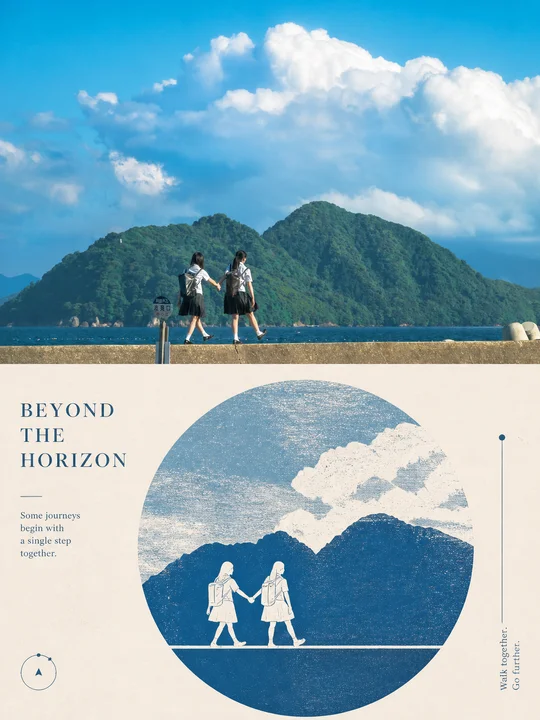 en sample 12XXD Panel 031 · Allegorical Rubbing
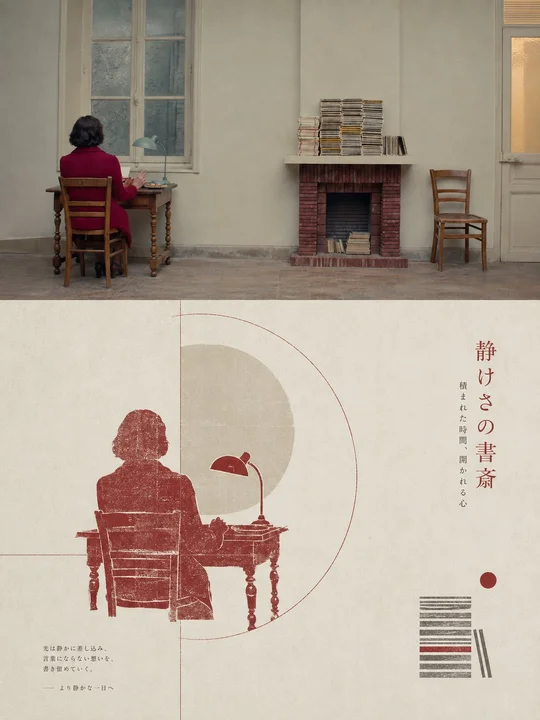 en supplement 01XXD Panel 031 · Allegorical Rubbing
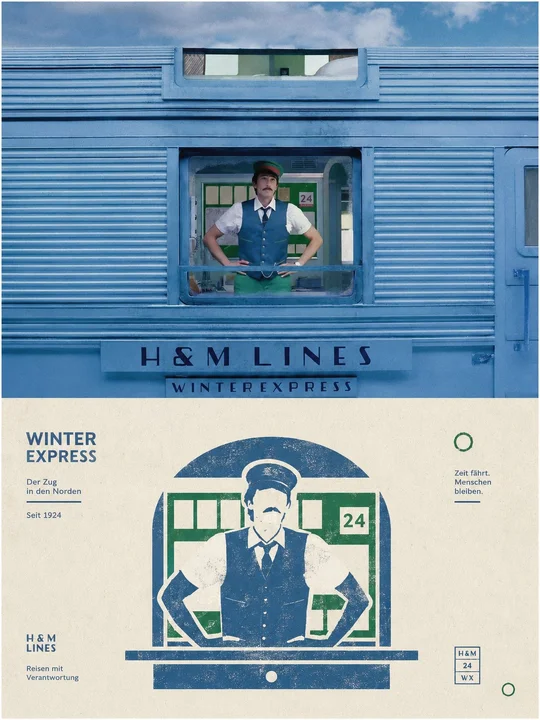 en supplement 02XXD Panel 031 · Allegorical Rubbing
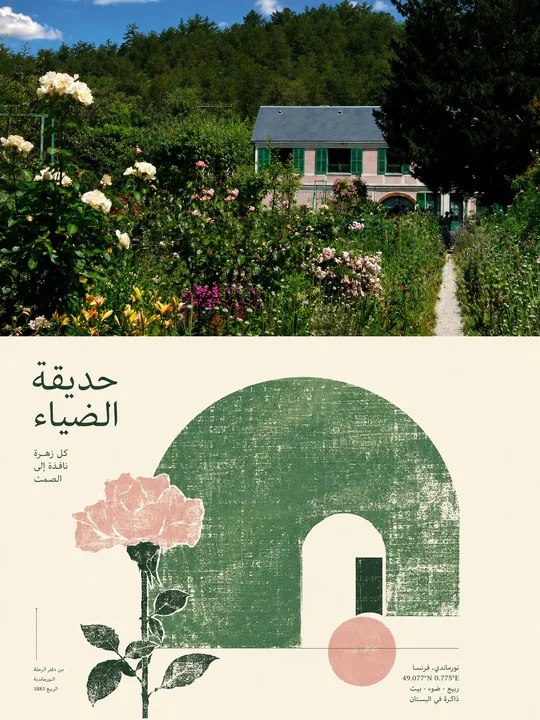 en supplement 03XXD Panel 031 · Allegorical Rubbing
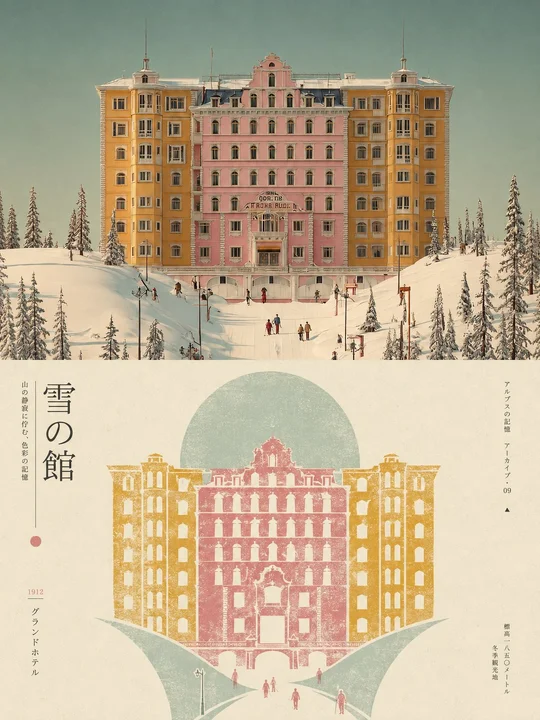 en supplement 04XXD Panel 031 · Allegorical Rubbing
正在计算符合当前颜色的内容…
VIP 收录全部风格 每周持续新增,开源的只是其中一小部分。
还没有通知
有新通知时会出现在这里。
批量管理
正在建设中,预计一周后内上线。
已选 0 组
点击卡片选择或取消,删除后无法恢复