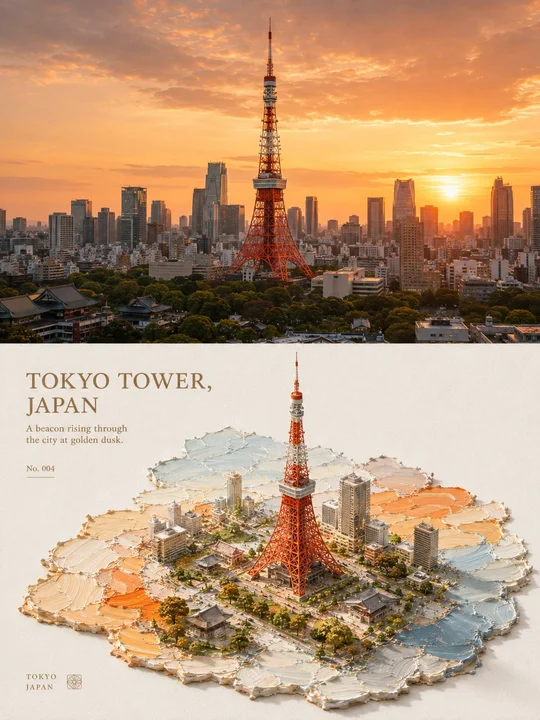
 en sample 01XXD Panel 047 · Isometric Impasto Scene
prompt library
成员提示词库
-
套提示词风格
- 全量解锁提示词、参数与案例
- 持续上新新提示词与实用场景
- 作者答疑使用问题直接沟通
正在确认当前可用的年度方案…
zhishixingqiu
知识星球
扫码加入星球,持续获取提示词更新、插件资料和项目答疑;星球会员也可以解锁成员提示词库。
 扫码或点击加入知识星球
认识小小东
添加微信,获取提示词、插件、Skills 与 AI 出图支持

扫描,添加小小东个人微信
built by xiaoxiaodong
我开发的项目
谷歌插件和 GitHub 项目分开展示
16 个可用项目chrome web store
谷歌插件
github
GitHub 项目
正在计算符合当前颜色的内容…
你已看完 10 页免费内容
开通 VIP,解锁完整提示词库。
开源 Skills
Skills
浏览小小东开源的 Codex / Agent Skills。按现有瀑布流节奏展开,找到合适的能力后即可复制安装命令。
正在加载 Skills…
没有找到匹配的 Skill。
Open prompts
XXD Panel 047
12 real examples in the XXD Panel 047 · Isometric Impasto Scene style, with complete prompts available to copy without signing in.
Original style prompt
Please make every photo I upload into its own standalone high-end design poster; no multi-image collages, each photo output separately. The overall composition uses a 3:4 vertical format, with the upper and lower zones strictly 1:1 in height, each taking up 50% of the frame.

The upper half keeps the original photo, preserving the subject's structure, real texture, natural light and shadow, and original color atmosphere, applying only a slight high-end photographic color grade so that it carries the texture of art magazines, independent publications, and exhibition photography. To fit the frame, the sky, ground, or environmental background may be extended naturally, but the subject must not be stretched, distorted, or altered.

The lower half extracts the most recognizable **subject, outline, pose, and narrative relationships** from the photo and reconstructs them as a refined impasto miniature landscape using **isometric / axonometric 3D spatial logic**. The subject is not a flat illustration, but a dimensional miniature entity with clearly defined volume, structure, front-to-back relationships, and a stable point of contact. Retain the original object's most crucial identifying features, while moderately organizing the viewpoint and proportions so that it appears more complete, clear, and sculptural within a unified axonometric space.

The subject sits atop a **thematic color field** formed from impasto paint. The color block is not an ordinary rectangular background; according to the original image's content, it should be transformed into a water surface, ground, road, grassland, band of light, shoreline, shadow, or another theme-related spatial slice, and extend naturally along the isometric perspective direction. The subject must have a real spatial relationship with the color block: it may touch down, embed itself, pass through, extend, reflect, ripple, cast a shadow, or partially cross the boundary, ingeniously connecting two-dimensional impasto brushstrokes with the three-dimensional subject.

The composition adapts to the subject's volume, orientation, and direction of movement, establishing a professional spatial order through a **diagonal axonometric axis, stable center of gravity, front-to-back depth, and large areas of negative space**. The subject is usually located at a key node of the color block rather than mechanically centered; the color block guides the eye and extends the perspective. When necessary, a low-weight group of clouds, sun, plants, ripples, or abstract natural imagery may be added to form foreground and background layers with the subject, but without establishing a second visual center.

The painting language fuses a **dimensional miniature model × impasto oil painting × real paper surface**. The subject's details are refined and its volume is clear, while the surrounding environment retains visible palette-knife marks, thick paint buildup, raised edges, and handmade brushstrokes. Clouds, water, ground, and light may have an almost relief-like thickness of oil paint, creating the tactile illusion of "a real model standing on oil paint that has not yet dried."

The color scheme extracts and remixes the **brightest, most vivid colors from the photo above that best represent the subject's spirit**, increasing brightness, purity, and vitality. Use abundant clean warm white as breathing room, paired with translucent main colors and a small number of sunlight-like warm accents. The whole should be bright, healing, vivid, and high-end. Avoid dirty gray, subdued colors, Morandi treatment, a fluorescent feel, and cheap candy colors.

Text intervenes sparingly: distill a short title from the subject, location, mood, or symbolic meaning in the photo, and pair it with a minimal amount of secondary text, numbering, or micro-annotations. Keep the typography delicate and restrained; it may follow the axonometric direction, the edge of an impasto color block, or a blank area, subtly echoing the spatial perspective rather than appearing as a title independently pasted onto the image.

The overall result presents the visual relationship of an **isometric dimensional subject × impasto color field × bright healing color scheme × real paper × large areas of negative space**. Whether the subject is a building, person, animal, plant, object, vehicle, or natural landscape, the three-dimensional subject should truly "stand, grow, or exist" within the space formed by the impasto color blocks. Avoid flat pasted graphics, ordinary illustration, plastic CG, a toy-model feel, and formulaic miniature landscapes.
en sample 01XXD Panel 047 · Isometric Impasto Scene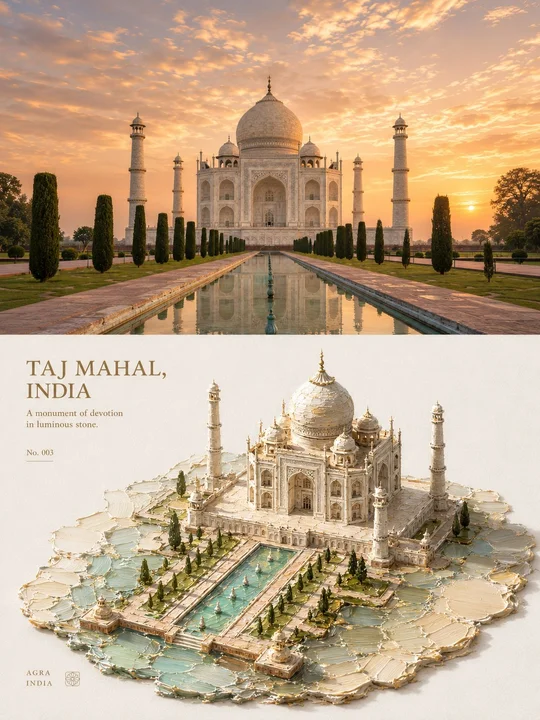 en sample 02XXD Panel 047 · Isometric Impasto Scene
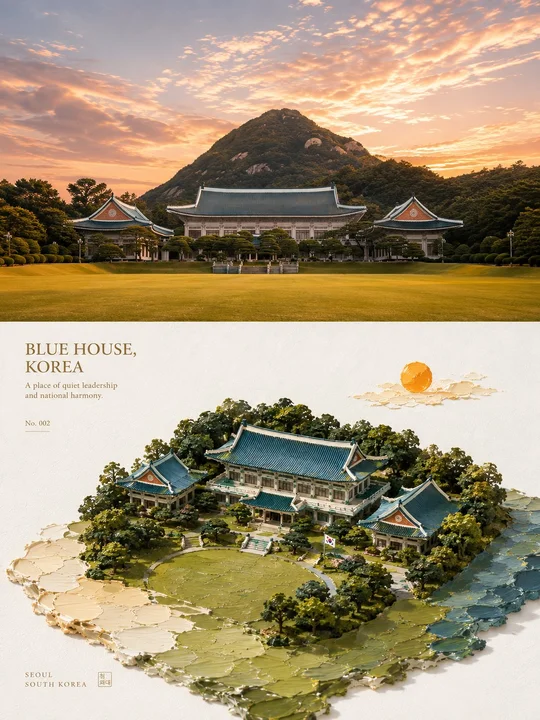 en sample 03XXD Panel 047 · Isometric Impasto Scene
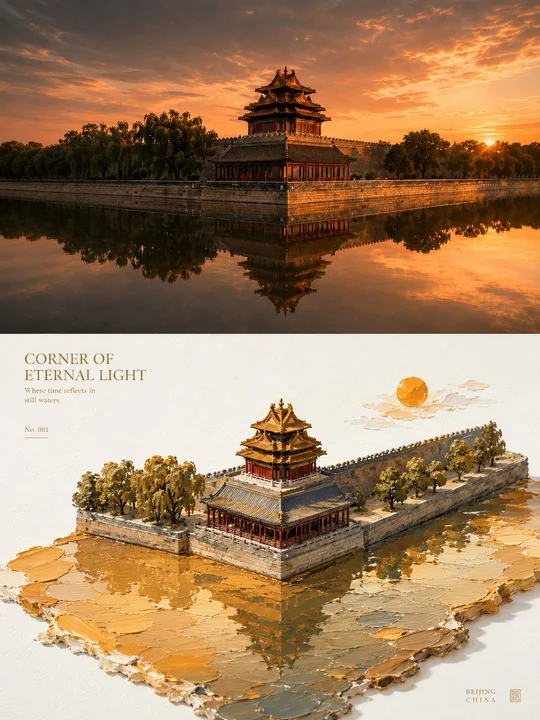 en sample 04XXD Panel 047 · Isometric Impasto Scene
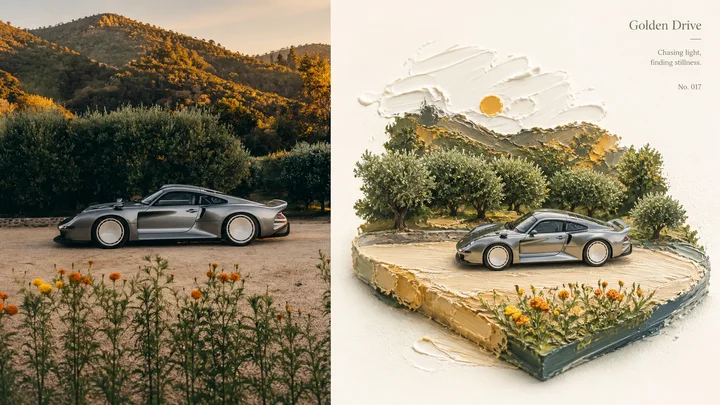 en sample 05XXD Panel 047 · Isometric Impasto Scene
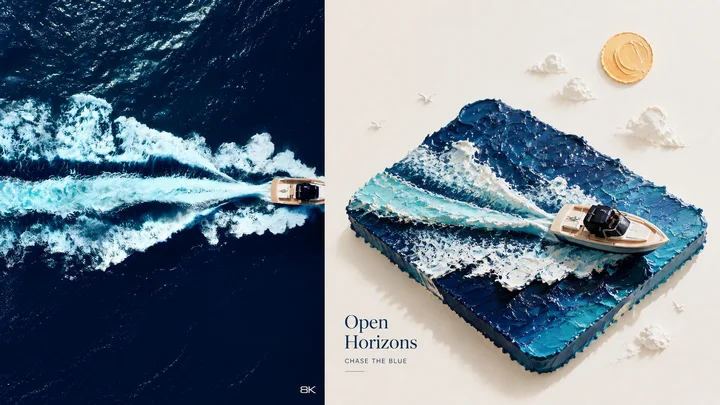 en sample 06XXD Panel 047 · Isometric Impasto Scene
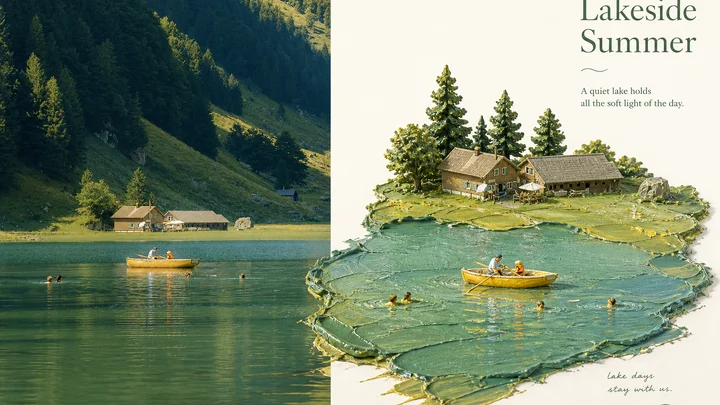 en sample 07XXD Panel 047 · Isometric Impasto Scene
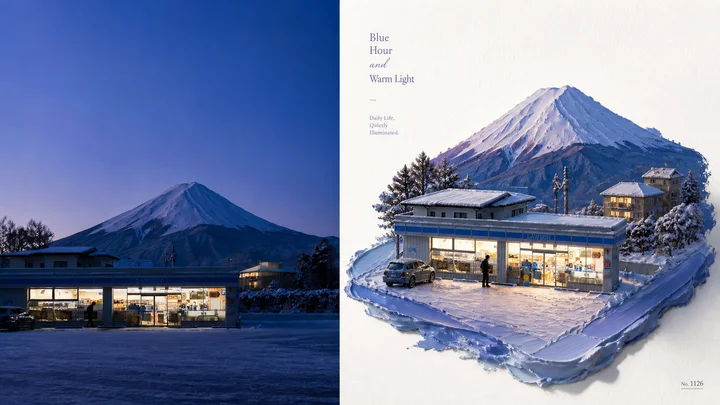 en sample 08XXD Panel 047 · Isometric Impasto Scene
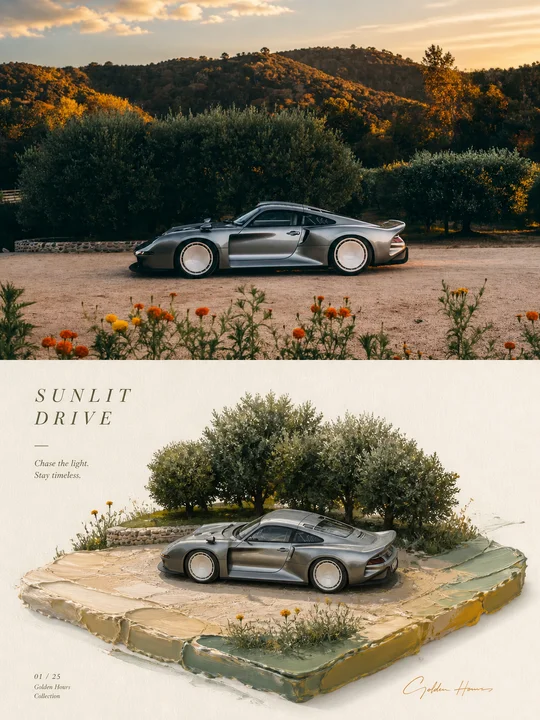 en sample 09XXD Panel 047 · Isometric Impasto Scene
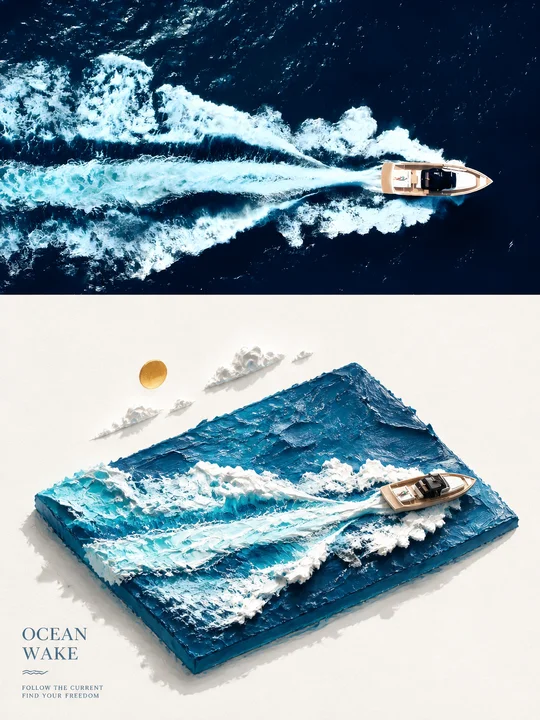 en sample 10XXD Panel 047 · Isometric Impasto Scene
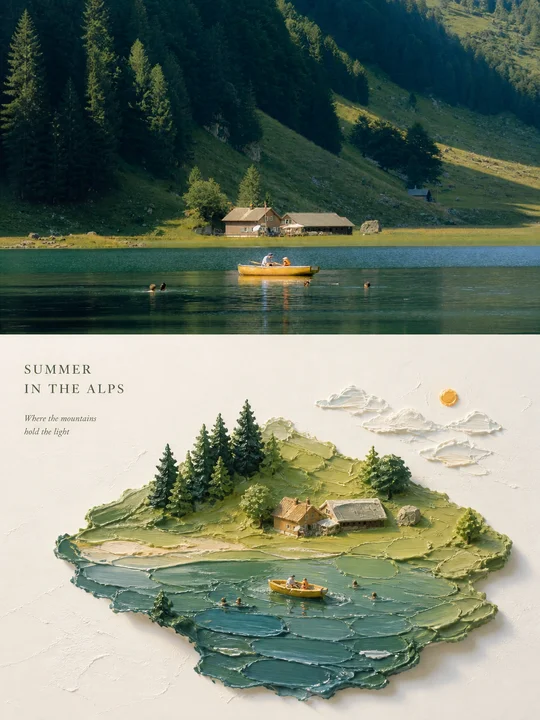 en sample 11XXD Panel 047 · Isometric Impasto Scene
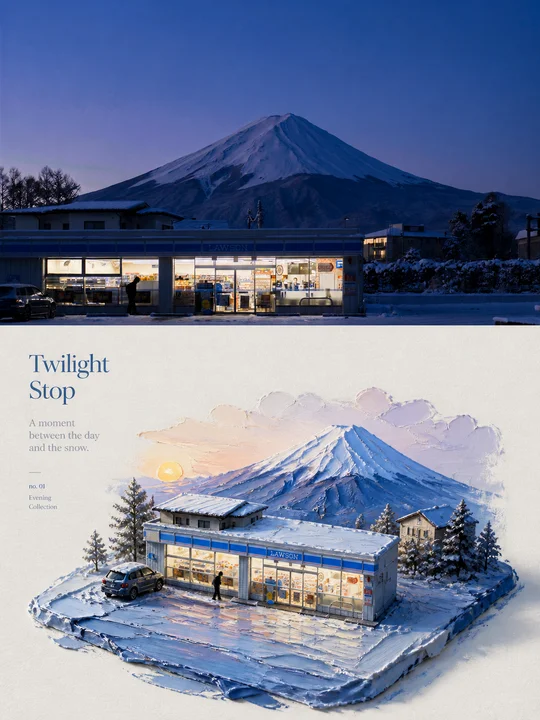 en sample 12XXD Panel 047 · Isometric Impasto Scene
正在计算符合当前颜色的内容…
VIP 收录全部风格 每周持续新增,开源的只是其中一小部分。
还没有通知
有新通知时会出现在这里。
批量管理
正在建设中,预计一周后内上线。
已选 0 组
点击卡片选择或取消,删除后无法恢复