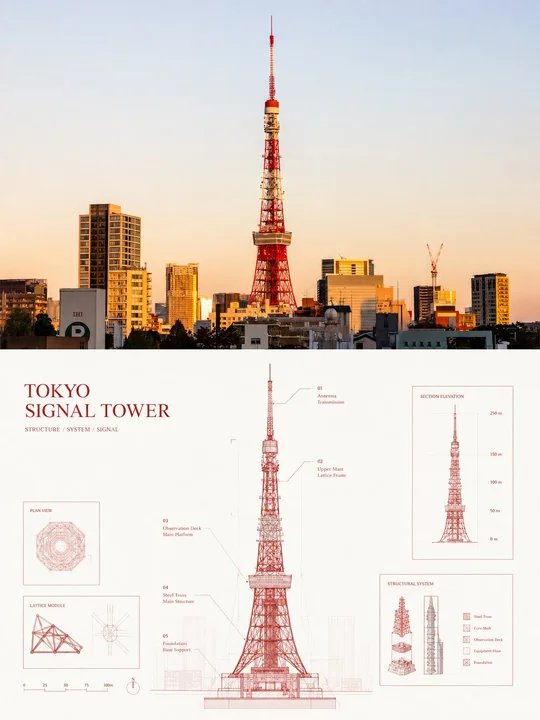
 en sample 01XXD Panel 048 · Transparent Structure Journal
prompt library
成员提示词库
-
套提示词风格
- 全量解锁提示词、参数与案例
- 持续上新新提示词与实用场景
- 作者答疑使用问题直接沟通
正在确认当前可用的年度方案…
zhishixingqiu
知识星球
扫码加入星球,持续获取提示词更新、插件资料和项目答疑;星球会员也可以解锁成员提示词库。
 扫码或点击加入知识星球
认识小小东
添加微信,获取提示词、插件、Skills 与 AI 出图支持

扫描,添加小小东个人微信
built by xiaoxiaodong
我开发的项目
谷歌插件和 GitHub 项目分开展示
16 个可用项目chrome web store
谷歌插件
github
GitHub 项目
正在计算符合当前颜色的内容…
你已看完 10 页免费内容
开通 VIP,解锁完整提示词库。
开源 Skills
Skills
浏览小小东开源的 Codex / Agent Skills。按现有瀑布流节奏展开,找到合适的能力后即可复制安装命令。
正在加载 Skills…
没有找到匹配的 Skill。
Open prompts
XXD Panel 048
12 real examples in the XXD Panel 048 · Transparent Structure Journal style, with complete prompts available to copy without signing in.
Original style prompt
Please make every photo I upload into its own standalone high-end design poster; no multi-image collages, each photo output separately. The overall composition uses a 3:4 vertical format, with the upper and lower zones strictly 1:1 in height, each taking up 50% of the frame.

The upper half keeps the original photo, preserving the subject's structure, real texture, natural light and shadow, and original color atmosphere, applying only a slight high-end photographic color grade so that it carries the texture of art magazines, independent publications, and exhibition photography. To fit the frame, the sky, ground, or environmental background may be extended naturally, but the subject must not be stretched, distorted, or altered.

The lower half extracts the most recognizable subject, outline, pose, and narrative relationships from the photo and reconstructs them as a transparent structural blueprint and high-end technical diagram. Retain the subject's clearly recognizable external outline while transforming parts of its surface into semi-transparent, sectioned, layered, or see-through states, revealing its most representative internal structure, connection relationships, material layers, paths of movement, or spatial logic, and forming a visual language somewhere between engineering drawings, X-ray views, scientific diagrams, and futuristic archives. Do not mechanically pile up components; instead, determine how the "internal structure" is interpreted according to the subject's own properties: for objects, show components and connections; for buildings, space and construction; for vehicles, power and structure; for plants, veins and growth; and for animals or people, use pose skeletons, motion trajectories, clothing layers, or abstract structures, avoiding anatomical flesh and tissue.

The composition takes the subject as its sole core and establishes visual order through transparent overlays, localized enlargements, sectional slices, exploded views, structural leader lines, and fine annotations. Extremely thin axes, dimension lines, node numbers, local callout boxes, and small structural schematics may be added so that information unfolds naturally around the subject. Distinguish different levels through line weight, transparency, solid and dashed treatment, and density, maintaining large areas of clean negative space and a clear reading path while avoiding complex technological UI and full-page information clutter.

The color scheme extracts the most recognizable main color that best embodies the subject's spirit from the photo above, transforming it into a translucent, bright, business-oriented monochrome blueprint system, completed with a light background, one primary line color, and a small number of light-and-dark variations. It may use a clear blue, green, red, orange, purple, or neutral color system and is not fixed to blue. The color should be clean, rational, and luminous, with layers established through transparent overlays, line density, and localized highlights. Avoid dirty gray, darkness, neon cyber aesthetics, and complex multicolor schemes.

Text becomes part of the technical annotations and editorial layout. Distill a short title from the subject's identity, function, state, action, or symbolic meaning in the photo, and pair it with a small number of structural numbers, component names, state words, scale markings, directional notes, or micro-annotations. Through leader lines, rulers, arrows, local callout boxes, vertical setting, or edge typography, the text forms a precise relationship with the subject, like an explanatory system in an engineering sketch, while maintaining high-end magazine-style restraint and negative space. Do not use years or write long explanatory passages.

The overall result presents a high-end visual quality combining transparent structure, precise linework, layered revelation, engineering order, and editorial aesthetics. Whether the subject is a person, animal, plant, building, object, vehicle, or natural object, it should be recognizable at a glance, structurally logical, informationally restrained, and clearly layered. Avoid ordinary line art, cheap sci-fi HUDs, excessive mechanization, complex component clutter, fixed blue, and a template feel.
en sample 01XXD Panel 048 · Transparent Structure Journal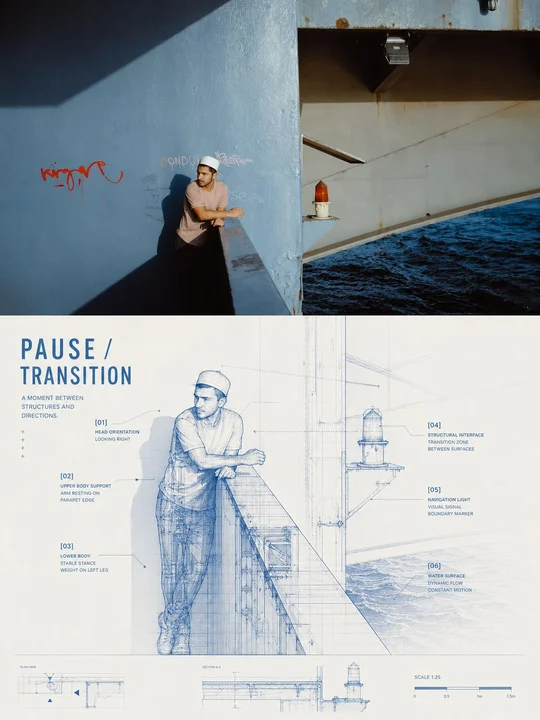 en sample 02XXD Panel 048 · Transparent Structure Journal
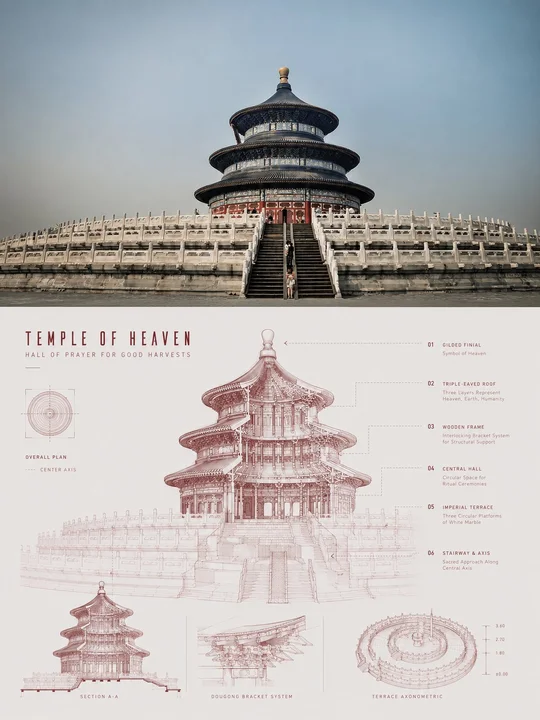 en sample 03XXD Panel 048 · Transparent Structure Journal
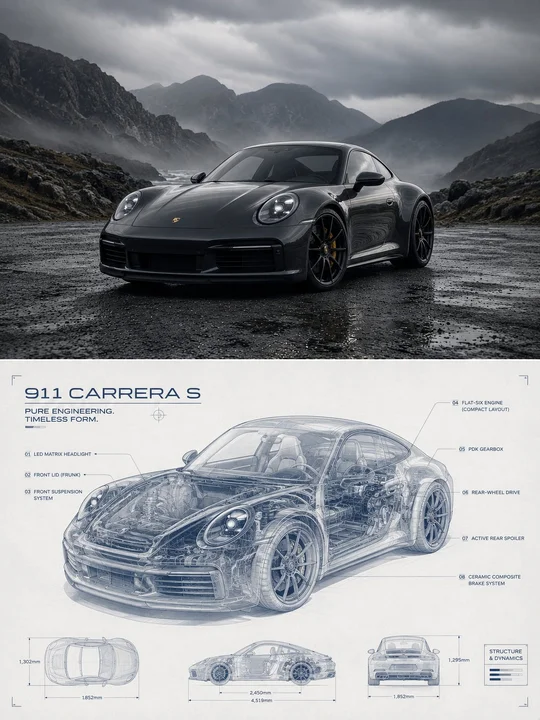 en sample 04XXD Panel 048 · Transparent Structure Journal
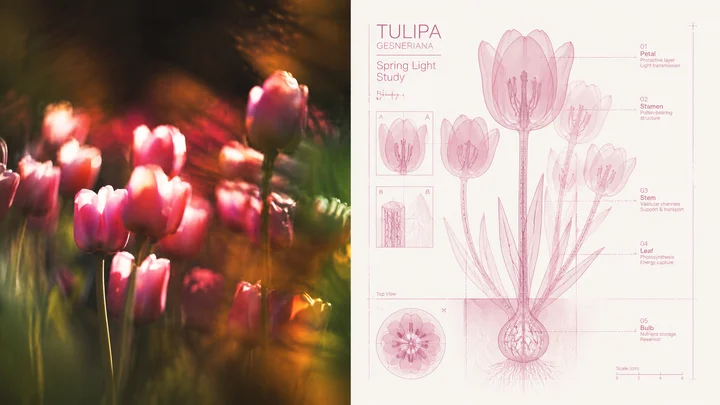 en sample 05XXD Panel 048 · Transparent Structure Journal
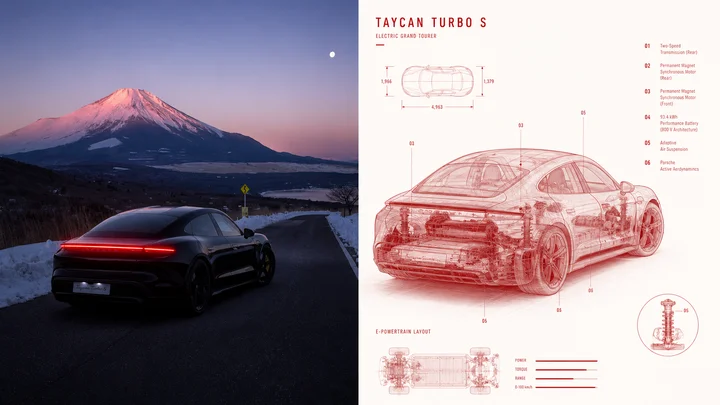 en sample 06XXD Panel 048 · Transparent Structure Journal
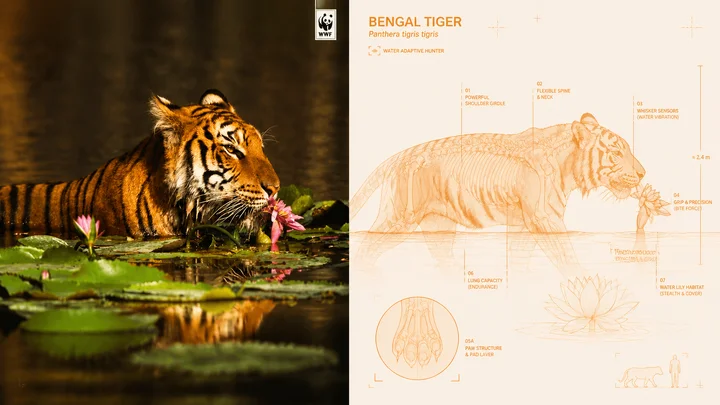 en sample 07XXD Panel 048 · Transparent Structure Journal
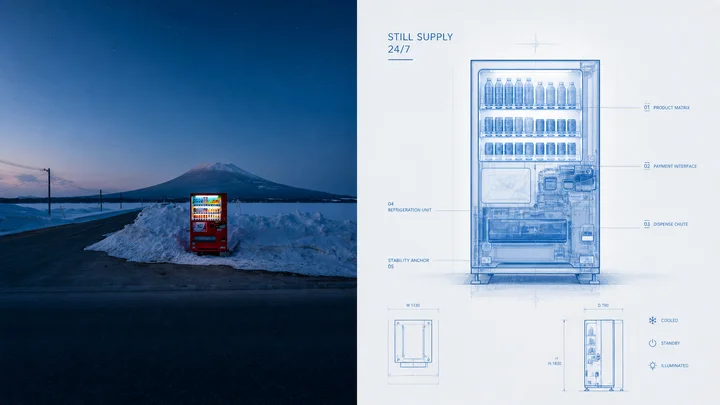 en sample 08XXD Panel 048 · Transparent Structure Journal
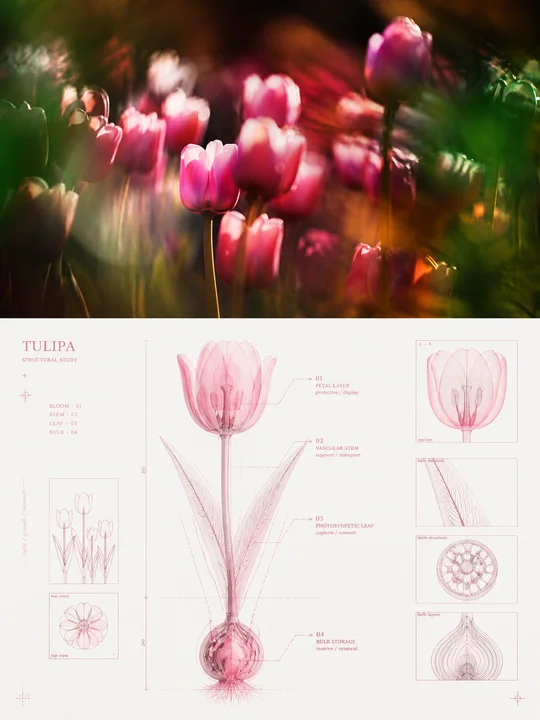 en sample 09XXD Panel 048 · Transparent Structure Journal
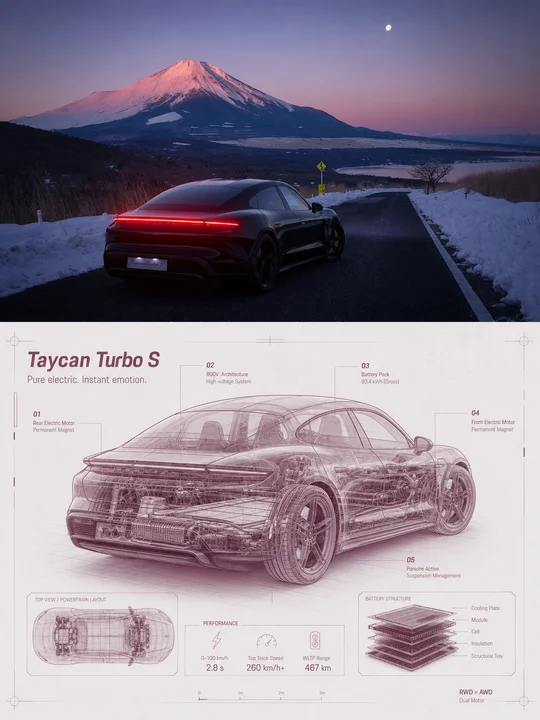 en sample 10XXD Panel 048 · Transparent Structure Journal
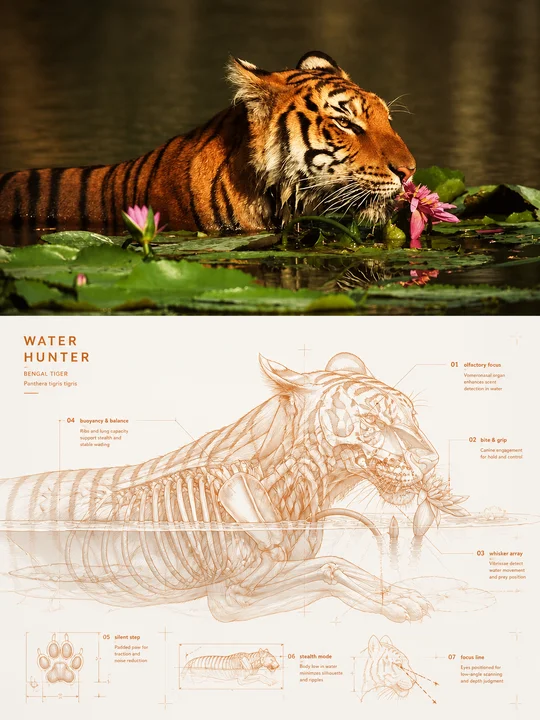 en sample 11XXD Panel 048 · Transparent Structure Journal
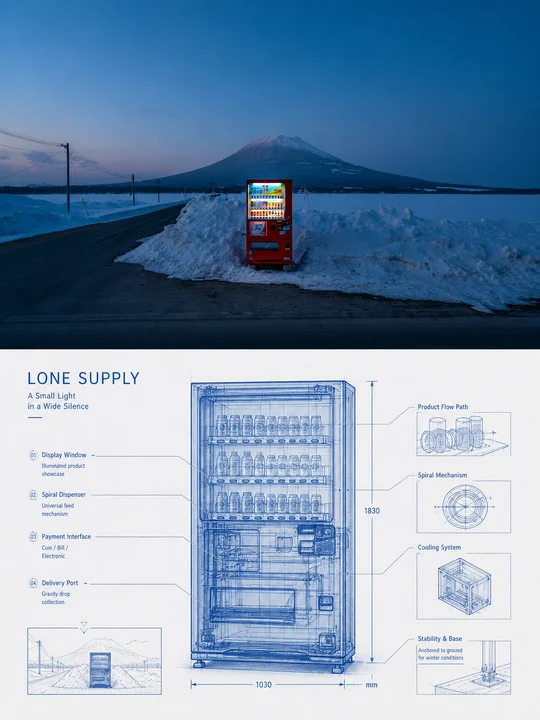 en sample 12XXD Panel 048 · Transparent Structure Journal
正在计算符合当前颜色的内容…
VIP 收录全部风格 每周持续新增,开源的只是其中一小部分。
还没有通知
有新通知时会出现在这里。
批量管理
正在建设中,预计一周后内上线。
已选 0 组
点击卡片选择或取消,删除后无法恢复