 en sample 05XXD Panel 093 · Modern Geometric Painting
prompt library
成员提示词库
-
套提示词风格
- 全量解锁提示词、参数与案例
- 持续上新新提示词与实用场景
- 作者答疑使用问题直接沟通
正在确认当前可用的年度方案…
zhishixingqiu
知识星球
扫码加入星球,持续获取提示词更新、插件资料和项目答疑;星球会员也可以解锁成员提示词库。
 扫码或点击加入知识星球
认识小小东
添加微信,获取提示词、插件、Skills 与 AI 出图支持

扫描,添加小小东个人微信
built by xiaoxiaodong
我开发的项目
谷歌插件和 GitHub 项目分开展示
16 个可用项目chrome web store
谷歌插件
github
GitHub 项目
正在计算符合当前颜色的内容…
你已看完 10 页免费内容
开通 VIP,解锁完整提示词库。
开源 Skills
Skills
浏览小小东开源的 Codex / Agent Skills。按现有瀑布流节奏展开,找到合适的能力后即可复制安装命令。
正在加载 Skills…
没有找到匹配的 Skill。
Open prompts
XXD Panel 093
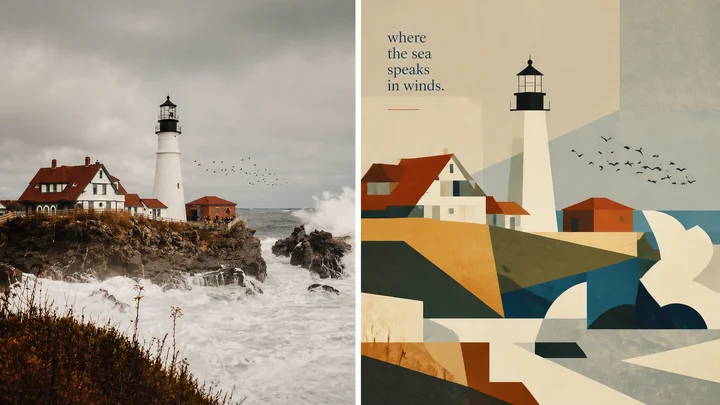
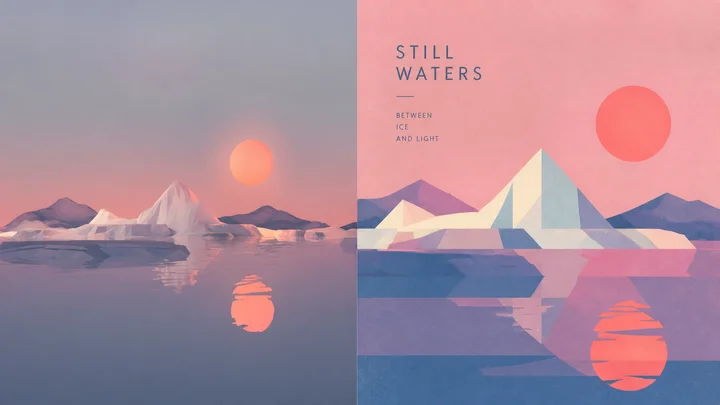
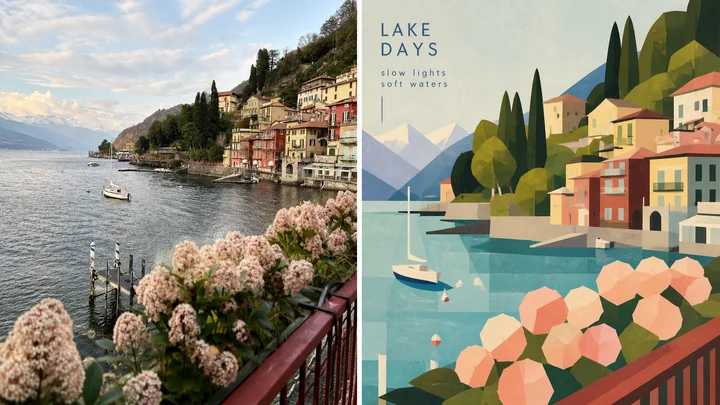
8 real examples in the XXD Panel 093 · Modern Geometric Painting style, with complete prompts available to copy without signing in.
Original style prompt
Turn every uploaded photograph into a separate premium design poster. Do not combine multiple photographs; output one poster for each photograph. Use an overall 3:4 portrait composition with two strictly equal top and bottom regions, each occupying 50% of the canvas.

Keep the original photograph in the upper half. Preserve the subject's identity, structure, pose, authentic texture, natural light and shadow, and original colour atmosphere. Apply only subtle premium colour grading so it feels like an art magazine, independent publication, or exhibition image. The surrounding environment may be extended naturally to fit the canvas, but the subject must not be stretched, distorted, or altered.

In the lower half, extract the photograph's most recognisable **subject, contour, structure, pose, and narrative relationships**, and reconstruct them as a modernist flat-colour illustration characterised by **Geometric stylization / Geometric simplification**. Do not describe the subject with geometric lines. Compress the subject itself directly into rectangles, trapezoids, triangles, circles, and a few free-form shapes, preserving its most important identifying traits with the fewest possible forms so the original remains immediately recognisable.

Use a pronounced **flattened pictorial space**. Reduce realistic perspective, volume, and representational light and shadow; establish space mainly through foreground–background overlap, changes of scale, layered colour fields, and vertical placement. Actively merge complex buildings, people, vehicles, plants, objects, and environmental details into a few large shape systems, and consolidate repeated elements into unified colour blocks rather than drawing them one by one. If the source is not urban, do not force it into an urban setting; use the same geometric method to reconstruct people, animals, still lifes, natural landscapes, or any other subject.

Emphasise **large-shape proportion, visual weight, layered relationships, positive and negative shapes, colour rhythm, and ordered whitespace**. The subject may be off-centre, cropped, overlapping, or extended naturally along horizontal or vertical axes. Give the image the flatness of cut paper and collage while retaining a clear narrative core. Do not distribute every element evenly or add meaningless decoration merely to make the image busier.

Build the forms from **large flat colour fields + subtly irregular hand-drawn edges + matte gouache/acrylic texture**. Paint surfaces should be fine, soft, and slightly varied in density, with the feel of hand-applied coverage. Edges may contain extremely subtle misregistration, brush marks, and cut-paper character, while the overall result remains clean and definite. Avoid digital gradients, realistic material simulation, complex shadows, photographic filters, and polished vector precision.

Extract and reorganise the photograph's **brightest, most vivid, and most memorable colours** rather than reproducing its colours literally. Gently brighten, purify, and remove greyness from the source hues to create a limited but clearly contrasting colour system. They may naturally become clear blue, aqua, fresh green, warm yellow, coral orange, peach pink, soft violet, cream white, and similar bright composite colours. Use warm–cool juxtaposition, differences of area, and value hierarchy to create a lively, restorative rhythm. Colour may be freer than reality but must preserve the source's spirit and colour memory. Avoid muddy greys, darkness, Morandi-style muting, fluorescent colour, and cheap candy tones.

Use text sparingly, with no preset wording or language. Freely distil only a few titles, phrases, or micro-notes from the photograph's place, subject, action, emotion, or cultural context. Set them in **simple editorial type with a subtle humanistic quality and mid-century modernist print character**. Text may sit in whitespace, follow the axis of a building or subject, touch the edge of a colour field, or align with a shape, so typography becomes part of the geometric composition rather than a title bar added afterwards.

The overall visual character should combine **Geometric urban illustration / Naïve modernist illustration / Mid-century inspired editorial illustration**: geometric forms, flattened space, vivid colour blocks, hand-drawn irregular edges, matte gouache texture, and professional editorial composition. Keep it modern, bright, restrained, unpretentious, and refined. Avoid realistic illustration, complex perspective, heavy light and shadow, cartoon-sticker character, polished vector appearance, 3D rendering, and templated travel-poster design.
en sample 05XXD Panel 093 · Modern Geometric Painting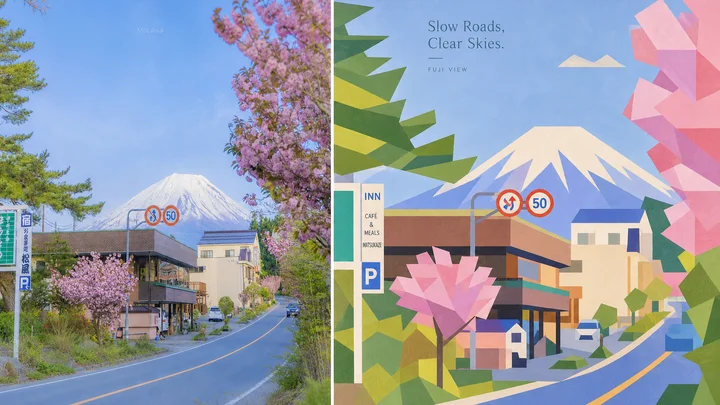 en sample 06XXD Panel 093 · Modern Geometric Painting
 en sample 07XXD Panel 093 · Modern Geometric Painting
 en sample 08XXD Panel 093 · Modern Geometric Painting
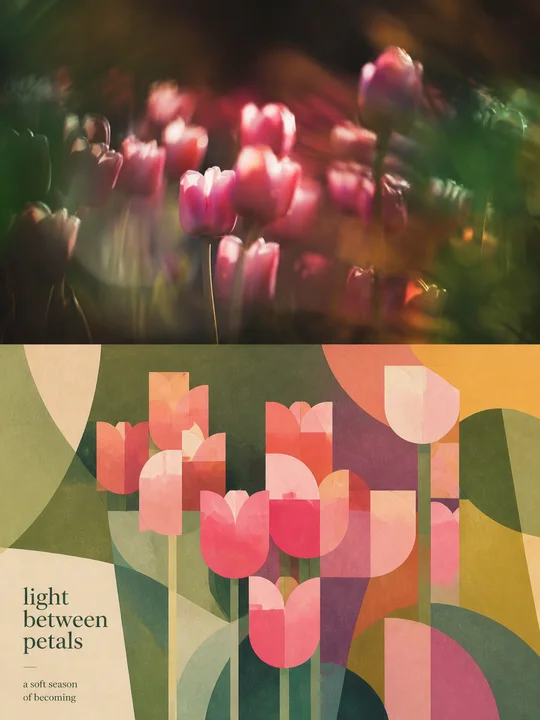 en sample 09XXD Panel 093 · Modern Geometric Painting
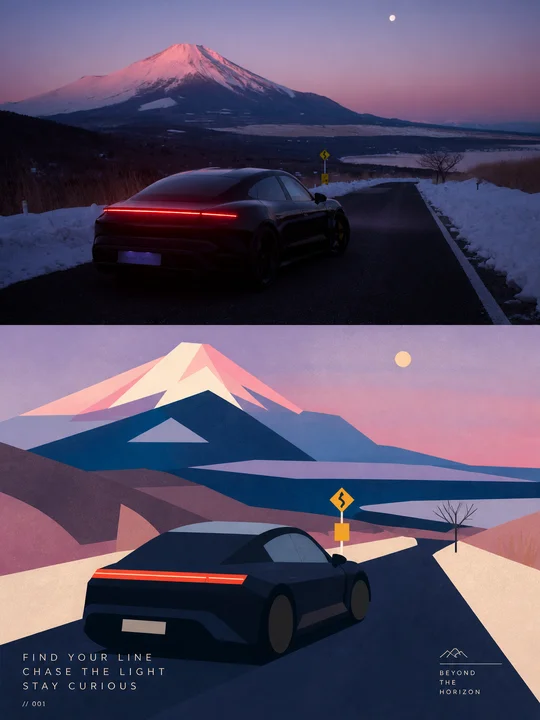 en sample 10XXD Panel 093 · Modern Geometric Painting
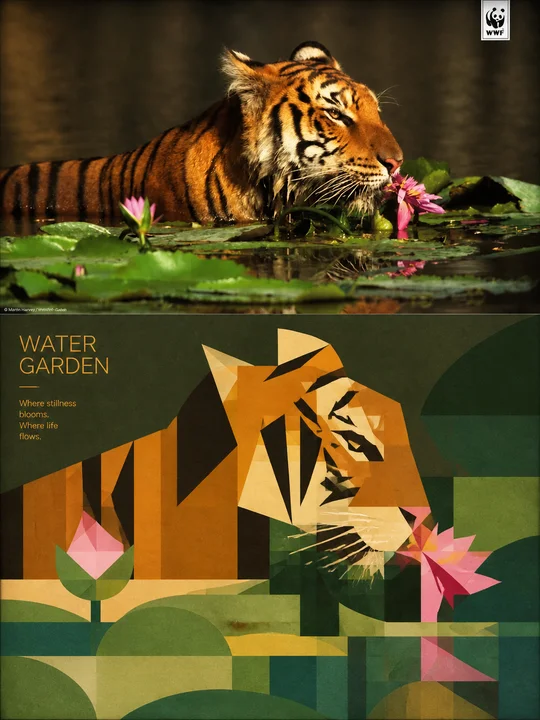 en sample 11XXD Panel 093 · Modern Geometric Painting
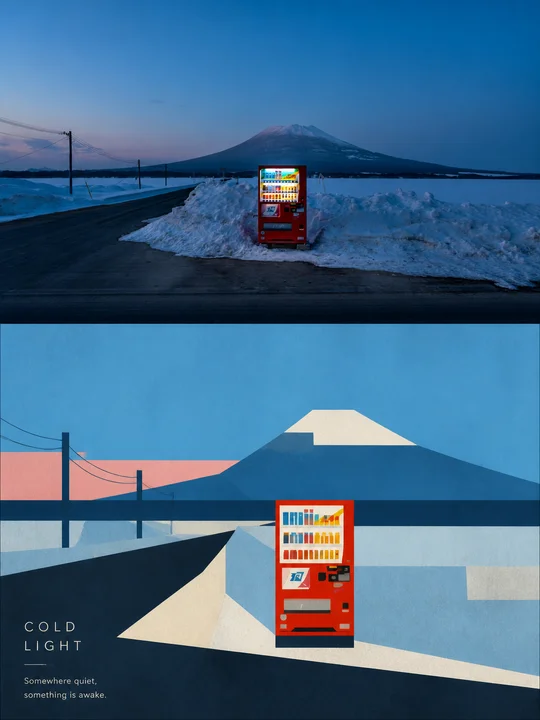 en sample 12XXD Panel 093 · Modern Geometric Painting
正在计算符合当前颜色的内容…
VIP 收录全部风格 每周持续新增,开源的只是其中一小部分。
还没有通知
有新通知时会出现在这里。
批量管理
正在建设中,预计一周后内上线。
已选 0 组
点击卡片选择或取消,删除后无法恢复